Repmold: The Smart Way to Make Real Parts Fast
Key Takeaways
- Repmold can cut your mold-making time by half and your costs by up to 70%.
- It’s perfect for 50–5,000 parts – exactly the awkward zone traditional tooling hates.
- You get real injected or cast parts, not just 3D-printed look-alikes.
What Is Repmold?
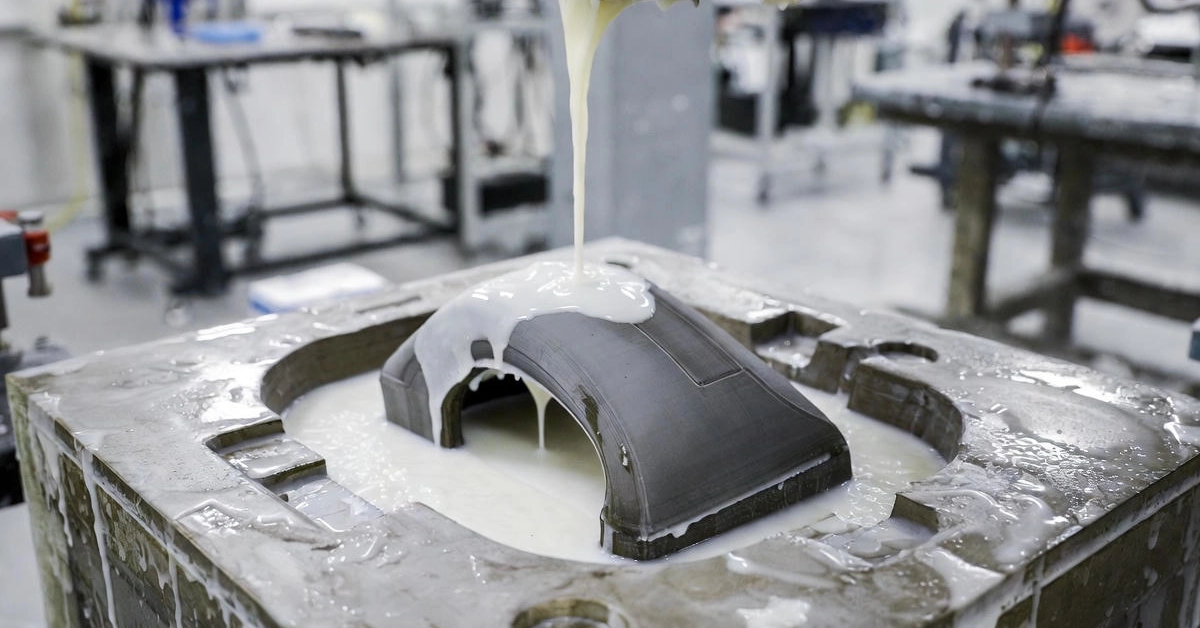
Repmold (short for replication molding) is a smart middle ground. You start with a perfect master model – usually 3D printed or CNC-machined – then pour special epoxy around it to create a tough, accurate mold. That epoxy mold can shoot real plastic, silicone, or even some metals hundreds of times. It’s not a cheap prototype trick; it’s a legit way to make production-quality parts fast and cheap. Think of it as the “good enough for now, cheap enough to scale later” option engineers secretly love.
How the Repmold Process Works (Step by Step)
- Make a perfect master – SLA 3D print or CNC it, doesn’t matter.
- Build a simple box around the master.
- Mix and pour aluminum-filled epoxy resin.
- Cure it (usually overnight).
- Pop out the master – you now have a mold ready for an injection machine or casting bench.
Total time from finished CAD to first good part? Often under one week. I’ve seen shops do it in four days when everyone’s motivated.
Why People Are Switching to Repmold
- Time: 50% faster than waiting for a steel tool (real automotive cases show 4–6 weeks saved).
- Money: 60-70% cheaper for runs under 5,000 pieces.
- Less waste: Digital simulations mean fewer bad tries – some shops cut material waste by half.
- Flexibility: Need a design tweak tomorrow? New master, new mold, done.
Where Repmold Shines in the Real World
- Automotive supplier in Michigan. They needed 1,200 custom interior trim pieces for a low-volume electric truck. Steel tool quote: $72,000 and 10 weeks. Repmold route: $18,000 and 9 days. Same ABS material, same finish – customer couldn’t tell the difference.
- Medical device startup A company making custom hearing-aid shells used repmold to run 400 units while waiting for silicone tooling certification. They shipped product, got real user feedback, and raised their next funding round early.
- Consumer electronics: A Bluetooth-speaker brand tests three new colors every season. Repmold lets them shoot 200 pieces of each in the final material so marketing sees the real thing, not painted prototypes.
Repmold vs. the Usual Options
| Method | Speed | Cost for 1,000 parts | Part quality | Best when… |
|---|---|---|---|---|
| Steel injection mold | 8–14 weeks | $50k–$150k | Perfect | You need 50,000+ parts |
| Pure 3D printing | 1–3 days | $15–$40 per part | Okay for looks | You need 1–20 pieces, fast |
| Repmold | 5–10 days | $8k–$25k total | Production-grade | You need 50–5,000 real parts, yesterday |
The Honest Downsides (and How to Handle Them)
No solution is magic. Here are the real limits:
- Most epoxy molds last 100–500 shots, sometimes 1,000 with cooling tricks. After that, they wear. Fix → Plan to move to aluminum or steel once you prove the design.
- Fragile walls or super-tight tolerances can be tricky. Fix → Add a little draft and talk to your resin supplier – the good ones know the tricks.
- Not every material works yet (high-temperature nylons are pushing it). Fix → Stick to ABS, PC, TPU, silicone – the list keeps growing.
What’s Coming Next in 2025 and Beyond
Shops are already mixing in AI to predict how the epoxy will shrink, so the first shots are perfect. Others are adding metal powders to the resin so molds handle 2,000+ shots. And new eco-resins mean you can hit the EU Green Deal rules without losing performance.
Quick Tips to Get Started Without Regret
- Start small – make one cavity first, prove the process.
- Use a high-temp SLA printer for the master (Formlabs Grey Pro or similar).
- Buy aluminum-filled epoxy from trusted names (Freeman, Axson/Rencast).
- Add extra cooling channels – it’s the cheapest way to double mold life.
- Keep one perfect master forever – it’s your golden ticket to new molds anytime.
Conclusion
Repmold is a game-changer for engineers and makers stuck between expensive steel molds and slow 3D printing. By using replication molding, you get production-grade parts in days, cut costs dramatically, and retain flexibility for design changes. While epoxy molds aren’t permanent, they offer the ideal low-volume solution and let you test, iterate, and scale without waiting months or spending a fortune. Whether you’re in automotive, medical devices, or consumer products, Repmold is a proven middle path that turns prototypes into real parts fast.
FAQs
What is Repmold, and how does it work?
Repmold, short for replication molding, uses a perfect master model—usually 3D printed or CNC-machined—around which an epoxy mold is poured. Once cured, this mold can produce hundreds of real plastic, silicone, or metal parts quickly and cost-effectively.How many parts can I make with a Repmold epoxy mold?
Most epoxy molds last for 100–500 shots, and some can reach up to 1,000 with cooling tricks. This makes Repmold ideal for low-volume production runs between 50 and 5,000 parts.Is Repmold cheaper than steel tooling?
Yes. For small runs, Repmold can cut costs by 60–70% compared to traditional steel molds, making it perfect for prototypes or short production batches without sacrificing part quality.What materials work with Repmold?
Common materials include ABS, PC, TPU, silicone, and some low-temperature metals. High-temperature nylons are more challenging, but the list of compatible materials continues to grow as the technology evolves.Can Repmold handle design changes?
Absolutely. Since the mold is made from a master, you can update the design, create a new master, and make a new mold quickly. This flexibility is a major advantage over steel tooling for fast iterations.