Down vs Synthetic Sleeping Bags
Disclosure: We may earn a small commission if you purchase through our links, at no extra cost to you.
Choose wrong and you’ll either carry unnecessary weight for years or shiver through damp nights wondering why your expensive bag isn’t working. The down vs synthetic sleeping bags debate has a right answer — but it’s different for different campers, and the old rules have shifted with hydrophobic down treatments. This guide gives you the honest comparison: warmth, weight, wet performance, durability, cost, care and ethics — then tells you which fill suits your camping.
For specific bag recommendations, see our best sleeping bags roundup; for cold-weather specifics, winter sleeping bags.
What the fills actually are
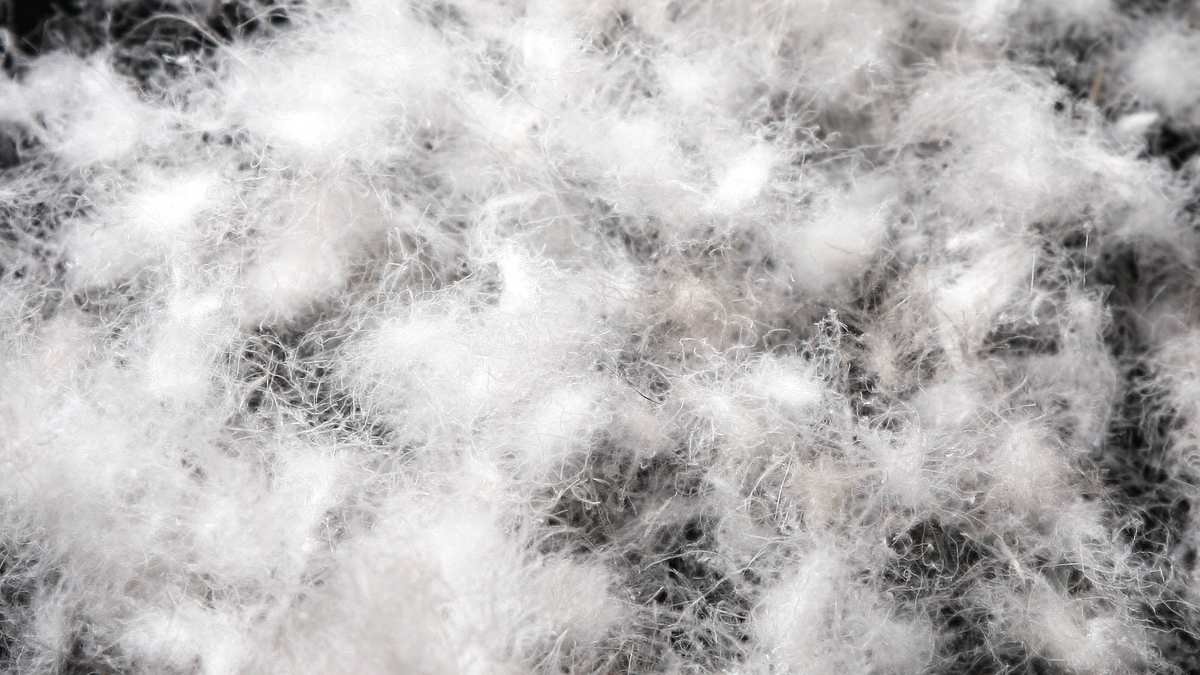
Down is the soft under-plumage of ducks or geese — thousands of tiny filaments that trap air. Quality is measured in fill power (cubic inches per ounce): 600–700 is good, 800+ is premium. Higher fill power = more warmth per gram = lighter, more compressible bags. Most quality down now carries RDS certification (Responsible Down Standard) for animal welfare, and many bags use hydrophobic-treated down (e.g. Sea to Summit’s Ultra-Dry Down) that resists moisture far better than untreated down.
Synthetic insulation is polyester fibre engineered to mimic down’s loft — brands have their own versions (Thermolink, SpiraFil, etc.). It’s heavier and bulkier than down for equivalent warmth, but the fibres don’t collapse when wet and it dries fast.
Head-to-head
Warmth for weight
Winner: down, clearly. A -5°C down bag weighs ~1kg; the synthetic equivalent is 1.5–1.8kg. Over a week of hiking, that half-kilo matters enormously. For car camping it’s irrelevant — which is why the fill debate matters most to hikers.
Packed size
Winner: down. Down compresses to roughly half the volume of synthetic for the same warmth. In a hiking pack where every litre counts, down wins. In a car boot, nobody cares.
Wet-weather performance
Winner: synthetic — but the gap has narrowed. This was down’s fatal flaw: wet down clumps, loses loft, and stops insulating — dangerously so. Synthetic keeps working when damp and dries quickly. However: hydrophobic-treated down (now standard on quality bags like the Sea to Summit Trek) resists moisture dramatically better than old untreated down — it won’t match synthetic in a soaking, but it eliminates the old “one damp night ruins the trip” scenario. For truly wet climates (Tasmania, coastal hiking), synthetic still wins. For normal use, treated down is fine.
Durability and lifespan
Winner: down. Quality down lasts 10+ years with proper care; the filaments are resilient. Synthetic fibres compress permanently with repeated stuffing — expect 5–8 years before noticeable warmth loss. Over a decade, one down bag outlasts two synthetic bags.
Cost
Winner: synthetic upfront, down over time. A good synthetic bag costs $110–$280 (Roman Palm IV ~$110, One Planet OESB $249, Marmot Trestles $279). Equivalent down bags cost $470–$1,000 (Sea to Summit Trek $499.99, Mont Helium $789.95, Spark Pro $999.99). But cost-per-year over each fill’s lifespan is closer than the sticker suggests: $250 synthetic over 6 years ≈ $42/year; $500 down over 12 years ≈ $42/year.
Care and washing
Winner: synthetic, easily. Synthetic bags machine-wash without drama and dry fast. Down needs special detergent, careful washing, and very thorough drying (damp down clumps and mildews). If you’re the type who never washes gear, synthetic forgives you; down doesn’t.
Ethics
Nuanced. Down’s animal-welfare concerns are addressed by RDS certification — buy RDS-certified and the sourcing is audited. Synthetic is petroleum-based — a different environmental cost. Neither is clean; buy certified down or recycled-fill synthetic to minimise impact.
Down vs synthetic sleeping bags: which fill for your camping?
Buy down if: you hike or backpack (weight and pack size matter); you camp in dry climates; you want a 10-year bag; you’re willing to do proper care. The Sea to Summit Trek Down ($499.99) is the sweet spot; the Mont Helium 450 ($789.95) for premium.
Buy synthetic if: you camp in wet/humid climates (coastal, Tasmania, tropics); it’s mostly car camping (weight irrelevant); you want easy washing; you’re on a budget; it’s for kids (they’re brutal on gear). The One Planet OESB ($249) and Marmot Trestles 15 ($279) are the smart buys.
The hybrid answer: many experienced campers own both — down for hiking, synthetic for car camping and wet trips. If you can only own one and you do both, hydrophobic-treated down (like the Trek’s Ultra-Dry) is the best compromise.
Myths worth killing
“Down is useless when wet.” Untreated down, mostly true. Modern hydrophobic down, overstated — it handles damp conditions fine; it just can’t match synthetic in a deluge.
“Synthetic is always cheaper.” Upfront, yes. Per year of use, roughly equal. Don’t let the sticker decide alone.
“Fill power is everything.” Fill power measures the down, not the bag. A well-designed 650-fill bag beats a poorly designed 800-fill bag — draught tubes, hood design and zip baffles matter as much as the fill.
For the environmental and chemical-safety side of insulation fabrics, the bluesign certification system is the industry standard many quality brands use — worth knowing when comparing the sustainability claims of down and synthetic bags.
Fill power explained
Fill power is down’s headline number — and the most misunderstood spec in sleeping bags. What it is: the volume (in cubic inches) that one ounce of down lofts to. 600-fill is good, 800-fill is excellent, 900+ is premium. What it means: higher fill power = more warmth per gram = lighter bag for the same rating. An 800-fill bag is lighter than a 600-fill bag at the same temperature rating. What it doesn’t mean: warmth by itself — a 600-fill bag with more down can be warmer than an 800-fill bag with less. Total fill weight matters as much as fill power. The cost curve: fill power gets expensive fast — the jump from 650 to 800 costs more than the weight saving justifies for most campers. The sweet spot: 650–750 fill for most buyers — excellent performance without the premium price. Above 800 is for ultralight hikers counting grams; below 600 is budget territory. Synthetic equivalent: there’s no fill-power number for synthetic — compare by weight and temperature rating instead.
Hydrophobic down: does it work?
Hydrophobic (water-resistant) down is down treated with a DWR-like coating — the industry’s answer to down’s wet-weather weakness. What it does: treated down absorbs less water and dries faster than untreated down. In damp (not soaking) conditions, it maintains loft longer. What it doesn’t do: make down waterproof. Soak a hydrophobic bag and it’s still a wet down bag — heavy, flat, cold. The verdict: it’s a genuine improvement for marginal conditions (condensation, damp air, light moisture), but not a substitute for synthetic in genuinely wet environments. Worth paying for? If the price premium is small, yes — it’s free insurance. If it’s large, spend the money on a better tent or a dry bag instead. Durability: the treatment washes out over time (like DWR) — reproof with down-specific wash-in treatments. Hydrophobic down narrows the gap; it doesn’t close it.
RDS and ethical down
Down’s ethics matter to many buyers. RDS (Responsible Down Standard): certifies that down comes from birds that weren’t live-plucked or force-fed, with chain-of-custody tracking. Look for the RDS logo — it’s the meaningful certification. What’s not certified: cheap down of unknown origin — if the bag doesn’t mention sourcing, assume the worst. Recycled down: growing in availability — down recovered from old products, cleaned and reused. Performance is comparable; the story is better. The alternative: if down ethics bother you, modern synthetics are excellent — no ethical baggage, better wet performance, lower cost. There’s no performance reason to choose down over synthetic except weight and pack size. What to do: buy RDS-certified if you buy down, consider recycled, and don’t lose sleep over it — the certification system works. The brands worth buying from certify; the ones that don’t aren’t worth buying from anyway.
The hybrid option: best of both?
Some bags combine down and synthetic — down where weight matters (top), synthetic where moisture hits (bottom, footbox, hood). The theory: down’s warmth-to-weight where you’re dry, synthetic’s wet-weather resilience where condensation and ground moisture strike. The reality: it works — hybrids genuinely handle damp better than pure down while packing smaller than pure synthetic. The catch: they’re complex to manufacture (read: expensive), harder to assess (two insulation types, two sets of specs), and the benefits are marginal for most campers. Who they’re for: hikers in changeable conditions (Tasmania, alpine shoulder seasons) who want down’s pack size without its damp-weather anxiety. Who they’re not for: car campers (just buy synthetic and pocket the difference) or ultralight purists (just buy down and manage the moisture). Hybrids are a niche solution to a real problem — worth knowing about, rarely worth buying.
Cost per night: the economics of insulation
Price tags mislead; cost per night tells the truth. The math: a $700 down bag used 100 nights over 10 years costs $7/night. A $250 synthetic bag used 60 nights over 6 years costs $4.17/night. The “expensive” bag is cheaper per night if you use it enough. When down wins economically: frequent campers, hikers (weight savings compound), anyone who’ll use it 15+ nights a year. When synthetic wins: occasional campers (under 10 nights/year), kids (they outgrow bags), harsh conditions (damp, rough treatment). The break-even: roughly 12–15 nights per year — above that, down’s longevity makes it cheaper per night; below that, synthetic wins. Resale: quality down bags hold value secondhand (30–50% of new); synthetic bags don’t. The honest question: not “which is better?” but “how many nights will I actually use it?” Answer that, and the economics answer themselves.
Washing down vs synthetic: what’s different
Both need washing eventually; the process differs. Down: use down-specific wash (regular detergent strips the natural oils), front-loader only (top-loader agitators tear baffles), extra rinse cycle, then dry thoroughly — a dryer on low with clean tennis balls restores loft. Drying takes hours; damp down clumps and moulds. Never dry-clean, never wring. Synthetic: more forgiving — synthetic wash or mild detergent, front-loader, and it dries faster. Still needs thorough drying — damp synthetic insulation loses warmth and smells. Frequency: wash rarely — once a season at most, or when visibly dirty or losing loft. Over-washing wears both fills out. Spot cleaning: for small marks, spot clean instead of full washing — it extends the bag’s life enormously. Storage after washing: ensure bone dry, then store lofted. A freshly washed and properly dried bag feels like new — it’s the cheapest performance upgrade in camping.
Choosing for Australian conditions specifically
Australia’s climate shapes the down-vs-synthetic decision. The east coast and tropics: humidity is the enemy — synthetic’s damp-weather resilience wins for Queensland, northern NSW and the Top End, where nights are warm but air is wet. The alpine and Tasmania: cold plus wet — the hardest combination. Quality hydrophobic down or synthetic both work; untreated down is risky. The outback: dry cold — down’s ideal environment. Desert nights are cold but arid, so down keeps its loft and packs small for the long drive in. Three-season general camping: most Australians camp in mild conditions where either works — so buy on budget and expected lifespan, not on insulation theory. The one-bag quiver: if you own one bag for everything, synthetic is the safer single choice — it handles the damp trip you didn’t expect. If you own two, make one down (cold/dry trips) and one synthetic (damp/mild trips). Match the insulation to the moisture, not just the temperature.
Frequently asked questions
Is down or synthetic better for Australia?
Depends where you camp. Down for hiking and dry inland areas; synthetic for wet coastal areas, Tasmania and the tropics. For car camping anywhere, synthetic’s easy care and lower price usually win.
Does hydrophobic down really work?
Yes — treated down resists moisture far better than untreated, drying faster and retaining more loft when damp. It doesn’t make down equal to synthetic in truly wet conditions, but it closes most of the practical gap.
How long does a down sleeping bag last vs synthetic?
Quality down: 10+ years with proper storage (uncompressed). Synthetic: 5–8 years before the fill compresses permanently. Store either compressed long-term and you’ll halve its life.
Can you wash a down sleeping bag?
Yes, with down-specific detergent, in a front-loader (no agitator), followed by very thorough drying — damp down clumps and mildews. It’s a half-day job. Synthetic bags are far easier: normal machine wash and dry.
Is 650-fill down good enough?
Yes — 650-fill is quality down that makes excellent 3-season bags (like the Sea to Summit Trek). Higher fill powers (800+) save weight for ultralight hiking but cost much more. For most campers, 650-fill is the sweet spot.
← Back to our complete guide: Best Sleeping Bags Australia 2026