Babybelletje: Fun & Tasty Mini Cheese Snack Guide
Have you ever grabbed one of those little red-wrapped cheeses from the fridge and smiled at how fun they look? That’s babybelletje for you – the affectionate Dutch term for Mini Babybel, those bite-sized, wax-coated snacks that feel like a treat every time.
Key Takeaways
- Babybelletje is the Dutch nickname for Mini Babybel, a portable semi-soft cheese with a fun red wax coating and mild flavor.
- Each piece packs 70 calories, 4g protein, and plenty of calcium – great for balanced snacking, especially with recent growth tied to healthier eating habits.
- New paper packaging is rolling out now, making it easier on the environment, as wax waste was a common complaint.
- It beats many alternatives in convenience, though plant-based versions open options for everyone.
- Simple recipes turn it into party stars or kid-friendly meals.
What Is Babybelletje?
Picture packing snacks for a family outing. You toss in a few of these small, round cheeses because they’re easy to carry and don’t need refrigeration right away. Babybelletje simply means “little Babybel” in Dutch. It’s how folks in the Netherlands and Belgium refer to Mini Babybel cheese.
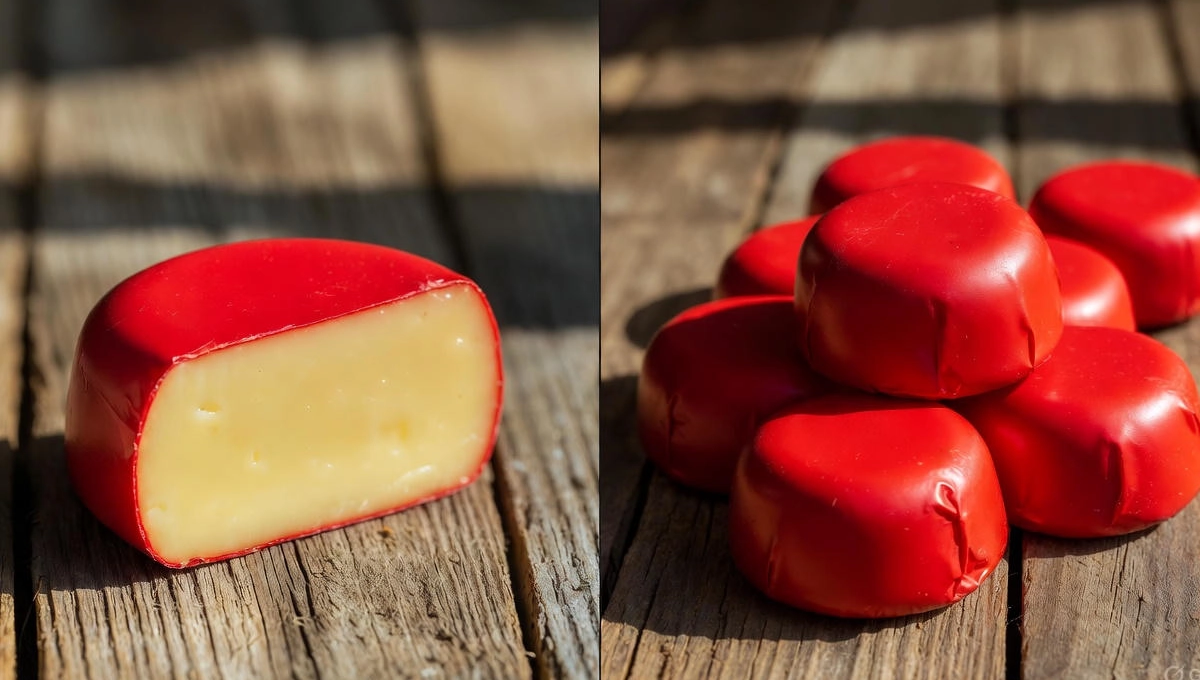
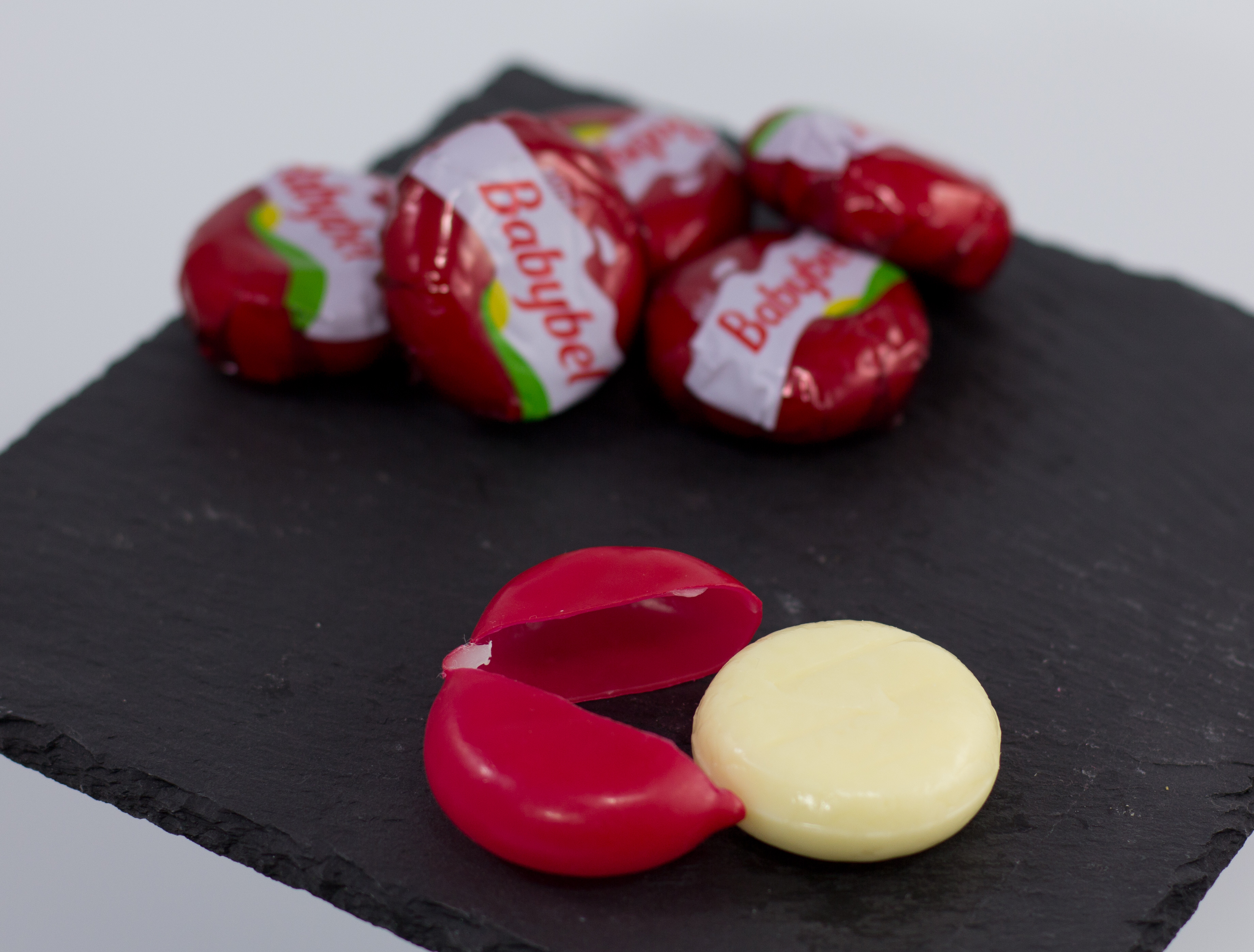
This snack comes from the French Bel Group. It’s a semi-soft cheese similar to Edam – creamy, mild, with a slight nutty taste. The bright red wax keeps it fresh and adds to the fun of peeling it open. Each wheel weighs about 20g, making it just right for one quick bite. Over two billion portions are eaten every year worldwide, showing how much people enjoy this portable snack cheese.

History and Origins
The story starts back in France. The Bel family began making cheese in 1865. They launched the bigger Babybel in 1952, but the mini version hit shelves in 1977. That small size changed everything – suddenly, cheese became a grab-and-go snack.
It spread quickly to the US in the late 1970s and grew huge there. Today, the US buys one-third of all Mini Babybel, around 20,000 tonnes a year. In Dutch-speaking areas, it picked up the cute name babybelletje. You’ll see it on menus for kids’ meals or in grocery stores as a fun treat. The company keeps growing production, like adding new lines in France for 2026 to meet demand.
Babybelletje Around the World
Though the Dutch nickname “babybelletje” is charming, people around the globe enjoy Mini Babybel differently. In the U.S., they’re often lunchbox heroes, while in France, they’re a classic addition to cheese boards. Some countries even have limited-edition flavors or festive packaging during holidays. This worldwide popularity shows that the little red-wrapped cheese has universal appeal, bringing smiles and convenience wherever it goes.
Nutritional Benefits
Wondering if these little cheeses fit into everyday eating? Absolutely, especially for busy days.
One original babybelletje has:
- 70 calories
- 5g fat (mostly saturated)
- 4g protein
- Good amount of calcium (about 15% of daily needs)
It’s naturally lactose-free, which helps many people. The protein and calcium make it a solid choice for kids’ growth or adult snacks. Sales jumped 12% in the US recently, partly because people see it as a healthier option amid trends like weight management meds boosting demand for protein-rich bites. Pair it with fruit or nuts for balance.
Creative Uses and Recipes
One of the best parts is how versatile babybelletje can be. Don’t just eat it plain – try these ideas.
- Unwrap and enjoy straight as an on-the-go snack.
- Slice for sandwiches or wraps.
- Melt over veggies or in quick quesadillas.
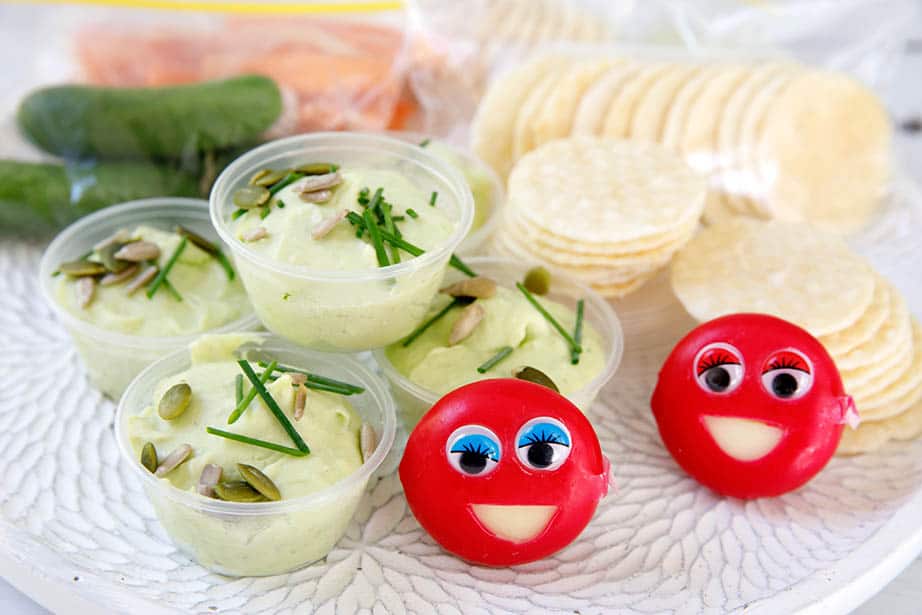
- Add to party platters with crackers and grapes.
For kids, make faces on the wax or pack in lunchboxes.
Or fry them quickly for crispy treats – careful, the wax melts off first.
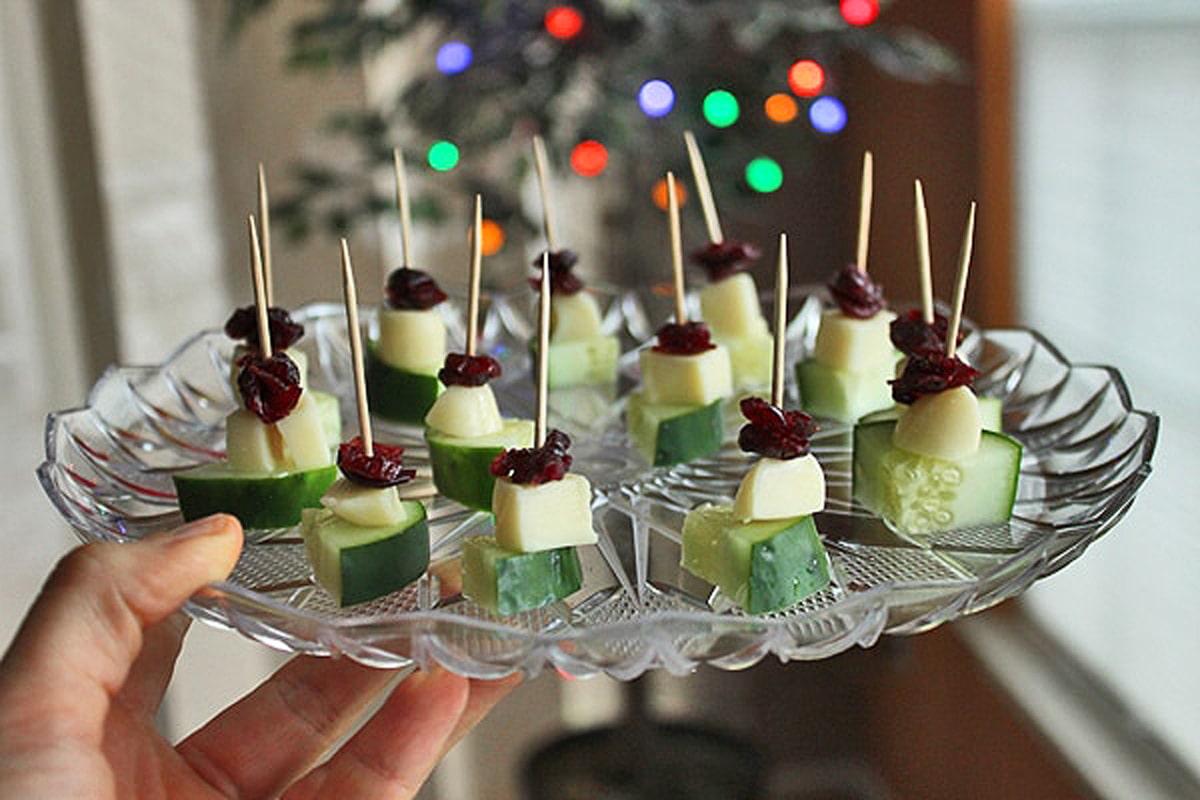
In Dutch homes, they often appear at playdates or as after-school snacks.
Comparisons to Alternatives
How does Babybelletje stack up against other snacks?
Compared to string cheese: Both are portable, but Babybelletje has that fun peel and stays fresher longer thanks to wax.
- Vs. regular cheddar cubes: More convenient packaging, though similar nutrition.
- For plant-based eaters, Babybel now offers vegan versions – smooth texture without dairy.
Fun Facts About Babybelletje
Did you know that Mini Babybel cheeses once held a world record for the largest cheese sculpture? They’re not just tasty—they’ve been part of fun events, promotions, and even art projects in schools and fairs. Some fans collect the wax colors or use them for creative DIY crafts, like making candles or ornaments. It’s proof that babybelletjes aren’t just a snack—they’re a little piece of joy that sparks creativity.
Sustainability and Packaging
A big complaint used to be the wax and plastic net – hard to recycle.
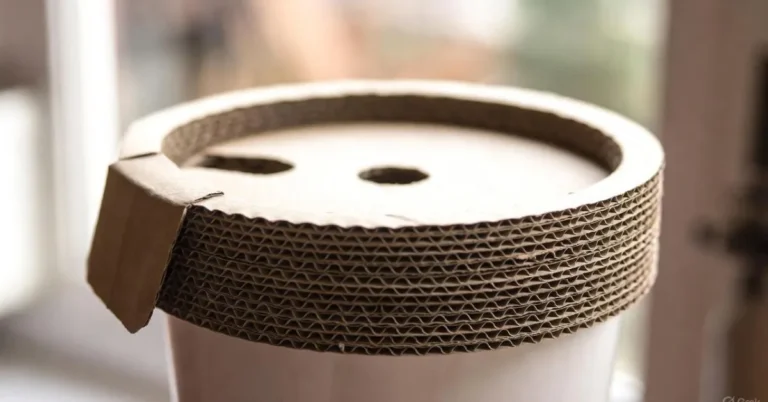
Good news: Bel Group started switching to recyclable paper packaging in the UK in late 2025. Northern Europe, the US, and Canada follow in 2026, with full global coverage by 2027.
The red wax stays – it protects the cheese naturally. This change cuts plastic a lot and saves emissions.
Until then, reuse wax for crafts like candles or fire starters. Bel aims for all packaging to be recyclable or compostable soon.
Pairing Babybelletje Like a Pro
While these mini cheeses are great on their own, pairing them can make snack time even more exciting. Try babybelletjes with apple slices, whole-grain crackers, or even a handful of almonds. For party platters, mix them with grapes, cherry tomatoes, or slices of cured meat. The creamy texture and mild flavor make them incredibly versatile—perfect for kids’ lunches, office snacks, or a fun addition to a picnic.
Common Challenges and Solutions
- Not everything’s perfect. Some people find it pricey for the size – look for multipacks or sales.
- Texture can vary; store in the fridge and eat at room temp for best creaminess.
- High saturated fat means enjoy in moderation if watching that.
- For eco worries, the new paper helps.
- Older complaints about quality shifts seem less common now.
Trends and Future Outlook
Exciting stuff ahead. Late 2025 brought a limited spicy plant-based Hellfire flavor, tied to a popular show – available into early 2026.
- Plant-based line keeps growing.
- Demand stays strong, with investments in new factories.
- Healthier snacking trends keep pushing sales up.
Conclusion
Whether you enjoy them as a quick lunchbox treat, a fun party snack, or a creative ingredient in recipes, babybelletjes prove that good things come in small packages. With their creamy flavor, playful red wax, and new eco-friendly packaging, these little cheeses continue to delight kids and adults alike. From Dutch origins to worldwide popularity, babybelletje isn’t just a snack—it’s a convenient, tasty, and cheerful bite that fits perfectly into modern, on-the-go lifestyles.