Pilates in 2025: The Ultimate Guide to Feeling Stronger
You’re scrolling TikTok and suddenly every second video is someone gliding on a reformer looking calm and strong. Or maybe your back has been killing you after long workdays, and a friend swears Pilates fixed hers. Either way, you’re here because you want to know if all the noise around Pilates is worth your time. Spoiler: it usually is.
Key Takeaways
- Pilates can change your posture and core strength in just 4–6 weeks with only 2–3 short sessions a week.
- You don’t need a $4,000 reformer or fancy studio to get 90% of the benefits.
- It won’t melt fat on its own, but it makes every other workout (and daily life) feel easier.
What Is Pilates Exactly?
Picture a workout created by a guy named Joseph Pilates almost 100 years ago while he was stuck in a prison camp during World War I. He rigged hospital beds with springs so injured soldiers could exercise lying down. That’s basically the first reformer.
Today, we just call it Pilates (originally “Contrology” because it’s all about controlling your muscles instead of flinging weights around). You have two main flavors:
- Mat Pilates: just you, a mat, and your body weight.
- Reformer Pilates: springs, straps, and a sliding carriage that make exercises harder or easier depending on what you need.
ClassPass said Pilates bookings jumped 84% in 2024, and it’s still the most-booked workout worldwide. Studios are packed, home reformers are selling out, and even guys are showing up in record numbers.
12 Science-Backed Pilates Benefits You’ll Actually Feel
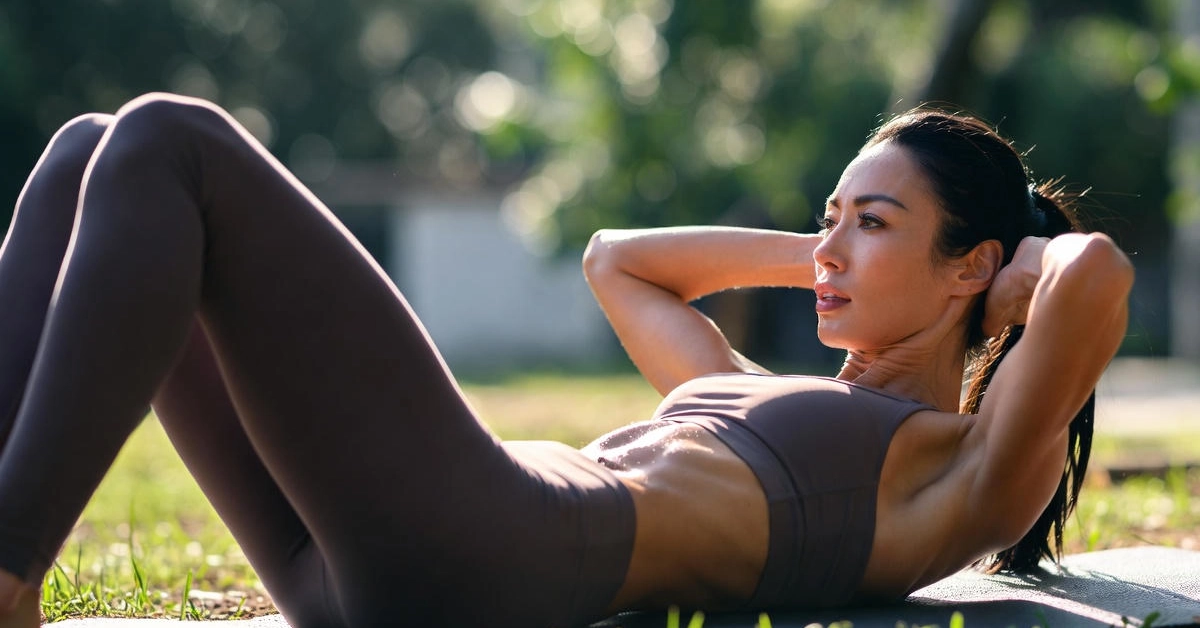
- Stronger core than endless crunches (one study showed deeper abdominal muscles fire 2–4 times more).
- Better posture—people literally look taller after a few months.
- Less back pain—some trials show up to 39% reduction in pain levels.
- More flexible hips and shoulders without painful stretching.
- Calmer mind—15-week studies found lower anxiety and fatigue scores.
- Fewer injuries if you run, golf, or lift weights.
- Stronger pelvic floor (huge for new moms and anyone who sneezes and regrets it).
- Improved balance—especially helpful as we get older.
- Longer, leaner-looking muscles instead of bulky ones.
- Better sex (yes, really—stronger pelvic floor + body awareness).
- Helps scoliosis and desk-slouch problems.
- Makes everyday stuff easier: carrying groceries, playing with kids, sitting without aching.
Pilates vs Yoga vs Strength Training: Quick 2025 Comparison
- Yoga = stretch + breathe + chill. Great for tight muscles and stress.
- Pilates = strength + control + precision. Great for core and posture.
- Weights = build big muscles and strong bones.
Most people I know do a mix: Pilates 2–3 times a week, weights or cardio 2 times, yoga whenever they need to unwind. It’s not war; they’re friends.
Current Pilates Trends You’ll See Everywhere in 2025
- Hot Pilates classes in 95–100 °F rooms for extra sweat.
- 20-minute wall Pilates routines (free on YouTube, surprisingly good).
- Reformer + HIIT combos that actually get your heart rate up.
- Fold-away home reformers under $500 that don’t eat your living room.
- More class men—some studios report 25–30% guys now.
- Grip socks are basically fashion statements.
Can Pilates Help You Lose Weight? The Honest Answer
A 50-minute class burns roughly 250–400 calories—about the same as a brisk walk. That’s nothing, but it’s not Orange Theory either.
Where Pilates shines is reshaping your body: a tighter waist, lifted butt, flatter stomach, even if the scale barely moves at first. Add two brisk walks or strength sessions a week, and the fat starts coming off faster because your posture improves and you move better all day long.
Pilates for Beginners: Your Realistic Start Guide
Start small, or you’ll hate it. Here’s the plan that actually works:
- Do 10–20 minutes, 2–3 times this week.
- Pick one good free YouTube channel (Move With Nicole or Lottie Murphy are beginner-gold).
- Learn these five moves first—they’re in every class:
- The Hundred (breathing + core pump)
- Single-Leg Stretch
- Spine Twist
- Pelvic Curl / Bridge
- Side Kick series
If something hurts (not to be confused with “challenging”), stop and check your form.
Pilates at Home vs Studio: Real Cost and Quality Talk
Studio drop-in: $25–55. Ten-class pack: usually $200–350. Unlimited monthly: $300–500 in big cities. That’s a car payment.
Home option that actually works in 2025:
- Good mat: $30–60
- Resistance ring + ball + band set: $25
- Optional mini foldable reformer: $300–600 (Balanced Body, Merrithew, and Amazon now have solid ones)
- Free wall Pilates videos: $0
I know plenty of people getting stronger and happier using just the wall in their bedroom.
Common Pilates Mistakes That Drive Instructors Crazy
- Holding your breath (breathe out when you work hardest).
- Arching your lower back instead of keeping it stable.
- Using arms or momentum instead of the core.
- Comparing yourself to the influencer who’s done it for ten years.
- Quitting after one sore week—soreness fades fast.
Pilates for Specific Goals and Bodies
Back pain? Start with neutral spine exercises like pelvic tilts and bird-dog. Pregnant? Look for prenatal-certified teachers; it’s magic for labor and recovery. Men? It fixes golfer’s hunch, runner’s tight hips, and dad-bod core in record time. Seniors? Improves balance so well that fall risk drops dramatically.
How to Pick a Good Class or Instructor (Avoid the Scams)
Green flags:
- The teacher asks about injuries before class starts.
- Class size under 12 on reformers.
- They correct your form (gently).
- Studio smells clean, not like old socks.
Red flags:
- They let 20 people share 10 reformers.
- Pushy sales for $2,000 packages on day one.
- Music so loud you can’t hear instructions.
- Teacher scrolling phone mid-class.
Conclusion
Pilates in 2025 isn’t just another workout trend—it’s one of the few forms of movement that strengthens your core, improves posture, supports mental health, and fits into any lifestyle. Whether you’re starting with a simple 10-minute YouTube video or stepping into a studio for the first time, every small session counts. In just a few weeks, your body will feel lighter, your back will ache less, and your confidence will grow.
You don’t need perfect gear or perfect form to begin—just the willingness to try. Start where you are, move a little today, and let your strength build naturally. Your future, stronger self will thank you.