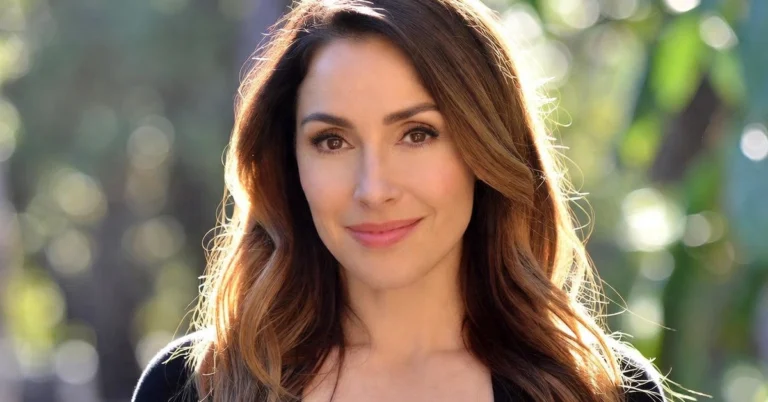
Shakira Ethnicity: Lebanese & Colombian Roots
Have you ever watched Shakira shake her hips to that infectious beat and wondered, “She’s Colombian, but that belly dance… where’s that from?” A few bars into one of her songs, and you hear those Arabic scales sneaking in, leaving you scratching your head. You’re in good company—thousands search for Shakira’s ethnicity every month because her vibe is this perfect puzzle of cultures that just clicks. She’s a 50/50 blend of Lebanese fire and Colombian sunshine, and that’s what makes her music hit different. Let’s unpack it all, step by step, like we’re flipping through old family photos.
Key Takeaways
- Shakira’s ethnicity breaks down to exactly 50% Lebanese (from her dad’s side) and 50% Colombian mestiza (mom’s Spanish, Indigenous, and African roots).
- She owns her Colombian identity first, but shouts out her Arab heritage loud and proud in every performance.
- This cultural mash-up isn’t just backstory—it’s the heartbeat of her hits, from “Hips Don’t Lie” to her latest tour anthems.
Who Is Shakira in 2025? Quick Snapshot
Born Shakira Isabel Mebarak Ripoll on February 2, 1977, right in the heart of Barranquilla, Colombia—that steamy, carnival-crazy coastal city. Fast-forward to today, and she’s sold over 95 million records worldwide, earning her the crown as the best-selling female Latin artist ever. In 2025, she’s owning stadiums on her Las Mujeres Ya No Lloran World Tour, fresh off another Grammy win, and even voicing a character in Zootopia 2. But what really sets her apart? Shakira’s ethnicity—that rare fusion that’s turned her into a bridge between worlds, selling out shows from Miami to Beirut.
Her Dad’s Side: The Lebanese Chapter
Start with the man who gave her those fiery rhythms: Shakira’s father, William Mebarak Chadid, entered the world in New York City, but his roots run deep in Lebanon. His parents emigrated from Beirut (his dad’s hometown) and Zahlé in the Bekaa Valley (his mom’s spot), bringing that rich Arab heritage with them. By age five, the family had uprooted to Barranquilla, where William juggled Arabic lullabies at home with the Spanish hustle of Colombian streets. He built a life as a jeweler and author, fathered eight kids from his first marriage, and then welcomed Shakira as his youngest with wife Nidia.
One story Shakira loves sharing? At just four years old, her Lebanese grandmother slipped a jingling coin belt around her waist, hoisted her onto a restaurant table, and taught her the art of belly dancing amid cheers from the crowd. That spark? It’s pure Lebanese magic, a cornerstone of Shakira’s ethnicity that still echoes in her every sway and shimmy.
Her Mom’s Side: Pure Caribbean Colombian
Flip the coin to her mom, Nidia del Carmen Ripoll Torrado, who’s as Colombian as they come—born and bred on the vibrant north coast. Nidia’s lineage is like a snapshot of Colombia’s colorful history: heavy on Spanish influences, starting with Catalan roots from the Ripoll family, who sailed over from 19th-century Catalonia. Layer in Castilian, Andalusian, Aragonese, Cantabrian, Basque, and Galician strains, plus a dash of distant Italian and Sicilian from ancestors like the Pisciottis.And don’t forget the Indigenous and African threads woven in from centuries of coastal mixing—that’s the mestiza soul that gives Barranquilla its electric energy.
Walk through Carnival there, and you’ll spot faces like Nidia’s everywhere: sun-kissed skin, wild curls fighting the humidity, and eyes that light up a room. This side anchors Shakira’s ethnicity in that raw, joyful Latin rhythm she can’t—and won’t—shake off.
The Full Family Tree
Let’s map it out simple:
- Paternal line: 100% Lebanese Arab, straight from Beirut and Zahlé immigrants.
- Maternal line: About 70–75% Spanish (with that Catalan kick), 15–20% Indigenous, and 10–15% African—classic coastal Colombian mestiza.
- The extras: Eight half-siblings from her dad’s earlier life, turning holidays into a feast of tabbouleh bumping up against arepas. No wonder Shakira’s ethnicity feels like a family reunion in song form—loud, layered, and full of surprises. Imagine tracing your own roots; Shakira’s tree shows how every branch adds flavor to the whole.
Is She Latina, Arab, or Both?
Shakira’s ethnicity lets her claim it all, no boxes required. South of the border, she’s “nuestra Shakira”—the ultimate Latina icon, Barranquilla’s homegirl repping Colombia hard. Hop over to the Middle East, and she’s a Lebanese legend, one of the Arab world’s biggest stars. Shakira puts it perfectly: “I’m a fusion of cultures, just like my country. My heart beats to Arabic and Spanish rhythms at once.” When folks Google Shakira’s ethnicity, they’re chasing that duality—and she lives it unapologetically, proving you don’t have to pick a side.

The Endless “What Does She Look Like?” Debate
Scroll TikTok or Reddit, and bam—fresh debates on Shakira’s ethnicity pop up daily: “Middle Eastern? Latina? Something else?”
- “She could pass for Italian!”
- “Nah, that’s straight-up mestizo vibes.”
- “Wait, is she white or what?”
Truth? Her Lebanese dad’s Mediterranean edges meet her mom’s coastal Colombian mestiza glow, creating this chameleon phenotype—sharp features, wavy hair, and skin that shifts from olive to golden under different lights. Rock black locks in the ’90s? Peak Arab queen. Blonde streaks in the 2000s? Euro-Latina realness. Natural waves in 2025? Pure Cartagena meets Beirut. It’s this ambiguity that fuels the fascination with Shakira’s ethnicity—like nature’s own filter, making her relatable to millions without trying.
How You Can Actually Hear Her Roots in the Songs
Shakira’s ethnicity isn’t silent—it’s screaming in her tracks. Crank up these, and listen close:
- “Ojos Así” (1998): Arabic orchestra swells, bilingual lyrics, and that ululation trill straight from Lebanese family gatherings.
- “Hips Don’t Lie” (2006): Barranquilla’s accordion punches mix with sneaky Middle Eastern percussion for that hip-shaking magic.
- Bzrp Music Sessions #53 (2023): Reggaeton base hides a darbuka drum nod to her dad’s heritage—subtle, but oh-so-Shakira.Even her signature wolf howl? Pulled from Bedouin calls her dad spun on the record player. Shakira’s ethnicity turns songs into cultural conversations, blending East and West like no one else.
2025 Moments That Celebrate Both Sides
Shakira’s ethnicity shines brighter than ever this year. Scientists honored her Colombian love by naming a prehistoric turtle Shakiremys colombiana—a shelled shoutout to her roots. Barranquilla fired back with a massive mural: Shakira mid-belly dance, Lebanese cedar tree framing her like a flag. And on tour? Outfits fusing Carnival feathers with Arab gold coins—she’s wearing Shakira’s ethnicity like armor. These nods remind us her heritage isn’t history; it’s happening now.
Myths People Still Get Wrong
Even superfans trip up on Shakira’s ethnicity. Let’s clear the air:
- “She’s mostly Spanish”: The Spanish is there (Catalan strong), but it’s mom’s side, generations deep—not the star of the show.
- “White-passing all the way”: In Colombia, she’s trigueña—that warm wheat tone that’s everyday coastal normal, not “passing.”
- “Fluent Arabic speaker”: She gets family phrases and nails song lines, but conversational? Not quite—English, Spanish, and Portuguese are her main.
- “Blonde hair made her famous”: She ruled Latin charts with dark locks pre-2001; the dye was just a crossover glow-up. Busting these helps everyone grasp the full, fabulous truth of Shakira’s ethnicity.
Why the Topic Blew Up Again in 2024–2025
Shakira’s ethnicity searches spiked hard lately—here’s why. Her Coachella 2024 drop with Bizarrap? Internet-breaking fusion that had everyone asking, “Arabic in reggaeton?!” Gen-Z TikTokers rediscovered “Ojos Así,” freaking out over the Arabic hooks like it was new. Add Grammy wins and tour buzz, and boom—folks everywhere pause mid-stream: “Hold up, what’s Shakira’s ethnicity really?” It’s her story keeping the world hooked.
Conclusion
Shakira’s story proves that identity is rarely just one thing. Her Lebanese and Colombian roots didn’t divide her — they fused into a cultural superpower that shaped her voice, dance, and global impact. From Arabic ululations to Caribbean rhythms, every part of her background shows up in her art. And that’s why millions connect with her: she celebrates all sides of who she is without apology.
So the next time you hear her sing, dance, or break another record, you’ll know you’re witnessing a woman powered by generations of blended heritage — and proudly carrying all of it with her.