Tibetan Singing Bowls: Ultimate 2025 Relaxation Guide
You know those days when everything feels too loud, and your mind just won’t quiet down? I’ve been there, and that’s exactly when I first picked up a Tibetan singing bowl. The moment I ran the mallet around the rim and heard that deep, lingering hum, something shifted. It was like the noise in my head finally had somewhere else to go. These beautiful metal bowls from the Himalayas have been around forever, and right now, more people than ever are turning to them for a bit of calm. Let’s talk about what they really are, how they can help you, and some honest tips to get going without feeling overwhelmed.
Key Takeaways
- Playing a Tibetan singing bowl regularly can actually lower your anxiety—recent studies found people felt noticeably less stressed and slept better after short sessions.
- The best Tibetan Singing Bowls are handmade in places like Nepal from a mix of metals, and they have this rich, warm tone that cheap copies just don’t.
- If you’re just starting, go easy at first; the sound can feel intense, but once you get used to it, it helps gently balance your energy and mood.
- More and more people are buying them—the market hit around $45 million in 2024 and keeps growing because everyone wants simple wellness tools at home.
- Compared to crystal bowls, traditional metal Tibetan singing bowls feel deeper and more grounding, especially if you struggle with sleep or aches.
What Are Tibetan Singing Bowls?
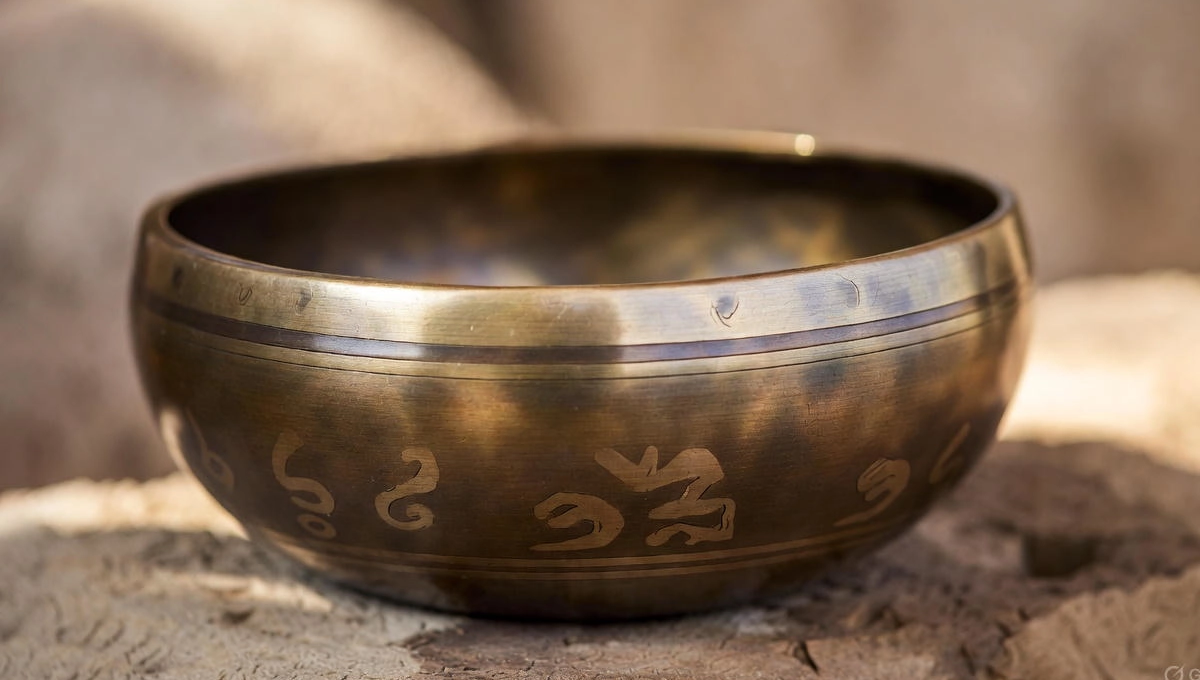
Imagine holding a shiny bronze bowl that starts singing the second you touch it. That’s a Tibetan singing bowl. They come mostly from the Himalayan region—Nepal, Bhutan, parts of India—and have been part of Buddhist practices for thousands of years. A lot of people call them “Tibetan,” but honestly, many of the finest ones are crafted by Nepali families who’ve been doing this for generations.
Tibetan Singing Bowls are made by hammering together seven different metals, and they come in all sizes—from tiny ones you can cup in your hand to big ones that sit on the floor. When you play them, the sound can be super low and rumbly or higher and clearer, depending on the size. It’s all about the vibration, and that’s what people love for relaxation and healing.
I’ve seen friends in busy cities pull one out during a stressful week, and it instantly changes the vibe of the room.
 What is a singing bowl (and how to use it for meditation)?
Benefits of Tibetan Singing Bowls
On tough days when stress is clinging to you, a few minutes with a Tibetan singing bowl can make a real difference. I’ve read the latest studies from 2025, and they back up what so many people feel: lower anxiety, calmer mood, less tension in the body.
A lot of folks use them for balancing chakras—those energy spots in your body—and say old emotions sometimes surface and then just melt away. For anyone dealing with aches or poor sleep, the deeper tones seem to soothe things in a way that feels almost like a massage from the inside.
Sleep is probably the biggest win for me. Those low frequencies help your brain slip into the slow waves you need for proper rest. No pills, no fuss—just sound.
How to Use Tibetan Singing Bowls
It’s honestly not complicated once you try it a couple of times. Rest the bowl on your palm or a soft cushion, tap the side lightly with the mallet for a single note, or slowly circle the rim to keep the sound going. Start with five or ten minutes so you don’t overwhelm yourself.
I like using mine right before bed or during a quick break in the day. Some people combine it with gentle yoga stretches or guided meditations on apps—it turns into a little personal sound bath. Friends who go to group sessions say everyone leaves feeling lighter, like the shared vibrations lift the whole room.
If sleep is your goal, go for a larger bowl with those low frequencies. It’s surprisingly easy to wind down once the hum fills the space.
Identifying Authentic Bowls
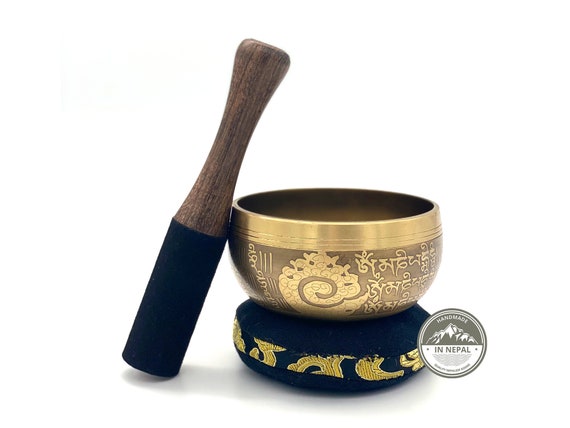
Nothing’s worse than spending money on something that turns out to be a factory knock-off. Real Tibetan singing bowls have little hammer marks, slightly uneven edges, and that beautiful aged patina from being worked by hand. The sound should ring out long and layered, not flat or tinny.
In 2025, more buyers are looking for bowls from known artisan families in Nepal—ones that come with a story. They cost more (usually $100 to $500, depending on size), but the tone is worth it. If you’re shopping online, always check for sound samples. That one step saves a lot of regret.
Risks and Challenges
Look, they’re not magic for everyone right away. Some people get a headache from the higher notes if they’re sensitive to sound. Others feel emotions bubble up unexpectedly during a session, which can actually be healing, but it catches you off guard.
My advice? Start quietly and short. If you have migraines, ear issues, or anything like that, ease in slowly or talk to someone who knows sound work. Roughly one in five new users feels a bit off at first, but it usually settles once your body adjusts.
Tibetan Singing Bowls vs Alternatives
Trying to decide between a Tibetan singing bowl and something else? The classic metal ones have this warm, earthy depth that crystal bowls don’t quite match—crystal is brighter and sharper, great if you like high, clear tones, but metal feels more grounding.
Gongs are powerful but huge and loud—not exactly apartment-friendly. Bowls are portable, quiet enough for home, and still pack that full-body vibration. Most yoga teachers I know keep a couple of metal bowls around because they’re so easy for everyone to use.
2025 Trends in Sound Healing
This year, sound healing is everywhere. The market keeps climbing because people want simple, screen-free ways to relax at home. We’re seeing cool new twists—virtual reality sound baths, apps that let you mix bowl tones with guided sessions.
Low-frequency bowls for sleep are especially popular now, and some therapists are even using them in foot massages to spread the vibration further. It’s exciting watching old traditions meet modern needs.
Expert Insights and Stats
The research keeps getting stronger: heart rates slow, stress markers drop, and people report sleeping more deeply after regular sessions. One recent review showed an average anxiety drop that’s pretty impressive for something so gentle. Friends share stories online about feeling more clear-headed and emotionally lighter. Yes, good bowls cost a bit, but you don’t need the fanciest one to start feeling the difference.
Conclusion
Tibetan singing bowls aren’t just beautiful décor—they’re a simple, effective tool to lower stress, sleep better, and feel more balanced. Start small: a five-minute session today can help you unwind, center your energy, and create a calmer space at home. Whether you’re picking your first bowl or deepening your sound healing practice, these timeless instruments bring ancient wisdom into your modern life. Embrace the vibrations, and let the hum guide you to serenity.