Can Air Source Heat Pumps Work with Existing Radiators?
Heating your home is important. Many UK homes use gas boilers and radiators. But more people are looking at air source heat pumps. They want to know if heat pumps can work with their current radiators. With options like Air Source Heat Pump Grants available, more homeowners are now considering this upgrade. This is a common question for homeowners who do not want major changes. The answer depends on many factors. Let’s look at these in simple words and clear steps.
How Heat Pumps Work
Air source heat pumps use outside air. They take heat from the air and move it indoors. This heat is then used for water and heating. The system works like a fridge in reverse. It needs electricity but uses less energy than gas. Heat pumps run at lower temperatures than boilers. This is key when thinking about your radiators.
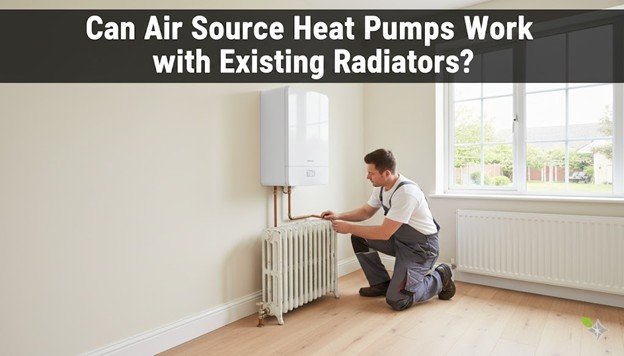
Radiators in UK homes are often sized for high heat. Boilers run hot, so radiators are small. Heat pumps give steady but cooler heat. That means the radiator size matters a lot. If radiators are too small, they cannot warm rooms well. So, checking radiator size is part of the process.
Do Radiators Need Replacing?
Many people ask if they need all new radiators. The answer is sometimes yes, sometimes no. It depends on how big your radiators are. Larger radiators work better with heat pumps. They give off more heat even at lower water temperatures. If radiators are small, they may need replacing.
Installers often do a survey of your home. They look at each room and check radiator size. If radiators are large enough, you may not need changes. But in some rooms, upgrades may be needed. Often, the living room and main bedroom need bigger radiators. Other rooms may already be fine. It is very home-specific.
Home Insulation Is Key
Even with the right radiators, insulation is important. A heat pump works best in a well-insulated home. If heat escapes, radiators cannot keep up. Older homes with poor insulation lose heat too fast. This makes the system less efficient and more costly.
Good insulation keeps heat inside. That means walls, lofts, and floors should be checked. Double glazing also helps. The better the insulation, the easier it is for radiators to work. Before installing a heat pump, insulation should be improved. This makes your system cheaper and more effective.
Flow Temperature and Comfort
Boilers often heat water to 70°C or more. Heat pumps usually run at 35–55°C. This lower flow temperature changes how radiators feel. They may not feel very hot to touch. But they can still keep a room warm if sized correctly.
This steady lower heat is more comfortable for many people. It keeps the house at a stable temperature. With boilers, rooms often heat fast and cool down fast. With heat pumps, heat is steady and gentle. The key is making sure radiators can release enough heat.
When Existing Radiators May Work
Some homes already have big radiators. This is often true in older homes with poor heating design. Large radiators may have been added to compensate. In such cases, the radiators may be fine. Homes with underfloor heating are also well-suited. Underfloor systems work at low temperatures naturally.
If your home already stays warm at lower boiler settings, it is a good sign. You can try turning your boiler down to 50°C. If the home stays warm, your radiators may work with a heat pump. This test is simple and can help you know your home’s suitability.
When Radiators Need Upgrading
If radiators are small, you may need larger ones. Rooms that struggle to stay warm are likely to need upgrades. Sometimes, just a few radiators need changing, not all. Modern radiators can be compact but still give good output.
The cost of replacing some radiators is less than a full system change. Installers can advise on which rooms need attention. If all radiators are too small, underfloor heating might be suggested. But often a mix of upgrades and existing radiators is enough.
The Role of Heat Loss Surveys
Eligibility for a heat pump system depends on a heat loss survey. This is usually done by a certified installer. They measure how much heat each room loses. Then they check if radiators can meet that need.
The survey looks at walls, windows, doors, and roof insulation. It also checks draughts. If the heat loss is low, existing radiators may be fine. If heat loss is high, radiators need to be bigger. The survey is the best way to know for sure.
Grants and Support in the UK
The UK government offers help with costs through the ECO4 scheme that gives air source heat pump grants, but eligibility depends on the survey and home type. Good insulation and suitable radiators improve your chances.
Installers who are approved can guide you. They know the rules and can tell you if your home is ready. Taking action on insulation before applying is wise. This helps you get approval and better results from your system.
Final Thoughts
Air source heat pumps can work with existing radiators. But it depends on radiator size, insulation, and heat loss. Many homes need some upgrades, but not always all. Testing your boiler at a lower setting can give clues.
If you’re considering Grants for Air Source Heat Pump options, the key step is getting a survey. This shows if your radiators are big enough. It also helps you plan for grants and support. With the right steps, heat pumps can bring comfort, lower bills, and greener heating.