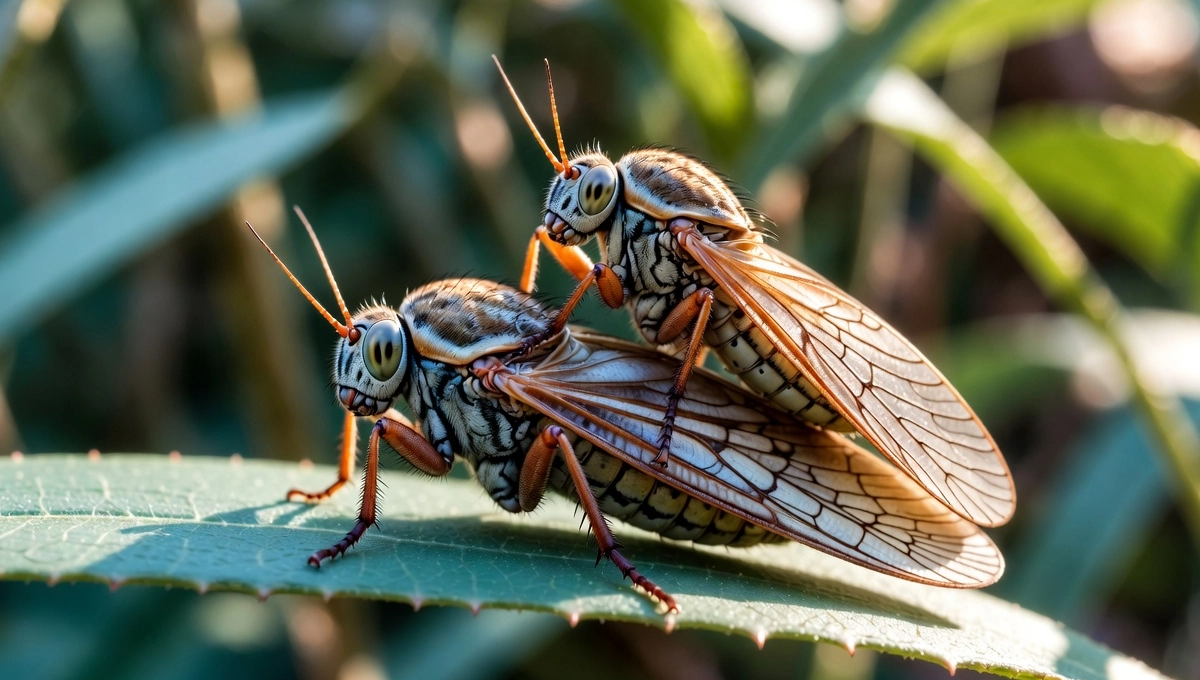
Homoptera Explained: Classification & Garden Impact
Have you ever noticed “Homoptera” in an older insect guide, only to find modern sources calling them Hemiptera? This shift confuses many people. Let’s clear it up step by step in simple terms.
I’m approaching this as a beginner-friendly explanation, since most articles jump into technical details too quickly. We’ll cover the name change, identification, real-world effects, and practical steps—without overwhelming you.
The Taxonomic Shift: From Homoptera to Hemiptera
Homoptera was once treated as a separate order. Now it’s grouped under Hemiptera, the true bugs. This reclassification isn’t just a naming change—it helps researchers and farmers apply modern pest control methods more accurately. By knowing which species are truly related, scientists can predict behavior, feeding patterns, and effective natural predators, making both ecological studies and agricultural management more precise.
Common Homoptera Misconceptions
A frequent error is viewing Homoptera as distinct from other true bugs. Old resources list it separately due to traits like uniform wings and plant-sucking habits. But modern science shows it’s not a natural group—it’s paraphyletic. This means it excludes some close relatives. The key takeaway: Homoptera is no longer a valid separate order. Relying on pre-2000s labels creates confusion in identification and study.
Key Discoveries from Recent Phylogenetic Research
Advances in DNA sequencing and fossil analysis reshaped the picture. Studies, including phylogenomic work on Sternorrhyncha (aphids, scales) and broader Hemiptera, confirm shared ancestry with other suborders like Auchenorrhyncha (cicadas, leafhoppers).
For example, recent papers (e.g., in BMC Biology and Communications Biology) use expanded genomic data to map evolutionary relationships, showing consistent placement within Hemiptera. This update improves accuracy for pest research and ecology.
Analogy: Like Redrawing a Family Tree
Think of it as discovering new relatives in your family history. You once thought one branch stood alone, but genetic tests link it to the main line.
Homoptera bugs share piercing-sucking mouthparts and incomplete metamorphosis with other Hemiptera. The merge reflects true evolutionary connections, not just superficial looks.
Step-by-Step Understanding the Reclassification
- Note old traits: Sap-feeding, uniform wings.
- Review evidence: Molecular phylogenies link groups.
- Accept modern view: Suborders Sternorrhyncha and Auchenorrhyncha under Hemiptera.
- Apply it: Use “Hemiptera” for accurate searches and discussions.
This process eliminates most confusion quickly.
Identifying Homoptera Insects: Beginner Tips
These insects are common on plants. Spotting them starts with simple observation. Homoptera insects are often seasonal, with populations peaking in spring and summer when plants are growing quickly. You’ll usually find them on the tender tips of stems, under leaves, or near new buds. Gardens, orchards, and even houseplants can host these insects, so checking plants regularly during these months is key to early detection.
Busting Myths About Sap-Sucking Bugs
Myth one: All are strong fliers. Many, like scale insects, stay put.
Myth two: They’re purely destructive. Some support food webs by feeding predators.
Clearing these myths helps balance views. Beginners often overlook how subtle damage can be.
Spotting Them in Your Garden or Yard
In a typical backyard, check leaf undersides for clusters. Aphids appear as tiny green or black dots, often with sticky honeydew. Cicadas leave noisy calls and empty skins on trunks. Whiteflies flutter up when disturbed. The effective trick: Inspect new growth first—pests target tender areas. A gardener like Jamie once saved her veggies by catching an early aphid cluster this way.
Comparison: Homoptera Traits vs. Other Orders
| Trait | Homoptera (now Hemiptera suborders) | Beetles (Coleoptera) | Butterflies (Lepidoptera) |
|---|---|---|---|
| Mouthparts | Piercing-sucking | Chewing | Coiled sucking tube |
| Wings | Membranous, often similar texture | Hard elytra + flying | Scaled wings |
| Metamorphosis | Incomplete (nymphs resemble adults) | Complete | Complete |
| Feeding Habit | Mostly plant sap | Varied | Nectar (adults) |
| Examples | Aphids, leafhoppers, cicadas | Ladybugs, scarabs | Monarchs, skippers |
This highlights what sets them apart.
Practical Checklist for Field Identification
- Size: Often small (1-10 mm).
- Color: Green, brown, or white.
- Signs: Yellowed leaves, honeydew, sooty mold.
- Location: Stems, leaves, sometimes roots.
Use this on your next walk. It’s straightforward and reliable.
Economic & Ecological Impacts of Homoptera
These insects affect crops and nature in mixed ways. For farmers and gardeners, understanding these trends can guide planting schedules and crop rotation. By selecting resistant plant varieties or staggering planting times, you can reduce the impact of Homoptera outbreaks. Combining these strategies with predator encouragement ensures healthier crops and fewer economic losses over time.
Overlooked Factor: Climate’s Influence on Outbreaks
Rising temperatures extend ranges and speed life cycles. Warmer conditions allow more generations per year and push pests into new areas. Recent analyses link climate shifts to increased pest pressure in agriculture. Always consider local weather trends when assessing risks. Overlooking this leads to unexpected surges.
Case Study: Aphid Outbreaks in Modern Farming
A Texas farmer, Maria, faced heavy sugarcane aphid damage in recent seasons. The insects reduced yields by sucking sap and spreading stress.
She switched to natural controls like ladybugs, cutting losses significantly. Similar patterns appear in 2024 reports, with aphids and leafhoppers causing notable crop impacts in various regions.
Analogy: Double-Edged Role in Ecosystems
Homoptera act like uninvited guests—some damage plants, others provide food for birds and insects.
Pests transmit viruses; beneficial ones contribute to nutrient cycling. Overreacting harms the balance.
Template for Evaluating Local Effects
- List affected plants in your area.
- Identify common species (e.g., aphids on roses).
- Note symptoms: Wilting, distortion.
- Balance: Do they support wildlife?
Adapt this template. It reveals patterns fast.
Smart Management of Homoptera: Practical Strategies
Effective control focuses on balance, not elimination. Keeping a simple log of pest sightings, damage levels, and predator activity can make a huge difference. Over time, this helps you anticipate outbreaks, track the effectiveness of natural predators, and make informed decisions about when and how to intervene. Small records can prevent big surprises.
Pitfall to Avoid: Overusing Chemical Sprays
Broad sprays kill helpful insects too, leading to rebounds. Gentler options often work better long-term.
Example: Biological Control in Action
Maria released predatory insects, which naturally reduced aphid numbers. This approach aligns with growing trends toward sustainable methods.
Predator Matchup Table
| Common Pest | Effective Natural Enemy | Benefit |
|---|---|---|
| Aphids | Ladybugs, lacewings | Consume large numbers daily |
| Whiteflies | Parasitic wasps | Target larvae inside leaves |
| Scale insects | Predatory beetles, birds | Remove from stems and branches |
| Leafhoppers | Spiders, assassin bugs | Trap or hunt actively |
- Scout regularly: Weekly checks catch issues early.
- Boost predators: Add flowering plants for habitat.
- Use barriers: Row covers on vulnerable crops.
- Apply targeted organics: Insecticidal soap or neem if needed.
- Monitor results: Adjust seasonally.
This plan keeps things manageable and nature-friendly.
Conclusion
Homoptera, now part of Hemiptera, may seem confusing at first, but understanding their traits, ecological roles, and impacts empowers gardeners and farmers alike. With simple identification steps, monitoring, and eco-friendly management strategies, you can control pests effectively while supporting beneficial species. By balancing observation with sustainable actions, you’ll keep your plants healthy and gain confidence spotting these insects in your garden or farm.