Best Hiking Backpacks Australia
Disclosure: We may earn a small commission if you purchase through our links, at no extra cost to you.
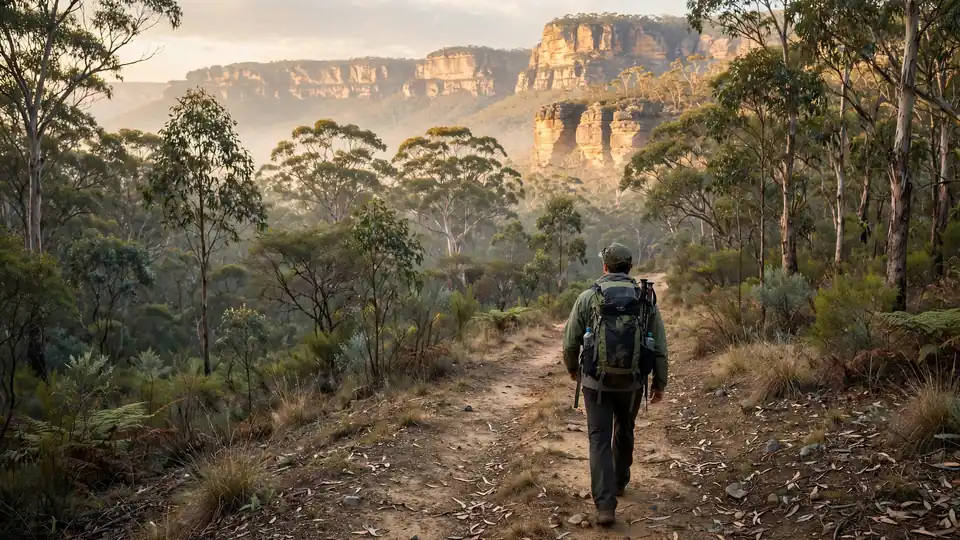
A hiking backpack is the one purchase that decides whether multi-day walking feels like freedom or punishment. The best hiking backpack Australia trails demand has to fit your back first, your gear list second, and your ego not at all — because the pack that looks right on a shop floor and the pack that feels right at kilometre fifteen in the Blue Mountains are often different packs. This guide covers fit, volume, frame types and the Australian conditions (heat, scrub, sudden rain) that should shape your choice.
Brands that have earned their place on Australian tracks — Osprey, Deuter, and Australian makers like Mont and One Planet — all build packs across the categories below. Rather than invent model-by-model specs here, this guide gives you the decision framework to walk into any good bushwalking shop and come out with the right pack, then keep it for a decade.
- Fit beats features: get measured for back length and try the pack loaded, in the shop, before you buy.
- Volume guide: 40–50L for overnighters, 55–65L for most multi-day trips, 65L+ only for winter or expedition loads.
- Most of the weight should ride on your hips — a good hip belt matters more than padded shoulder straps.
Best hiking backpack Australia fit rules: back length and hip belt
Fit starts with torso length, not height. Pack sizes (S/M/L) refer to the distance from your hip bone to the C7 vertebra at the base of your neck, and the right size puts the hip belt’s padding centred on your hip bones with the shoulder straps wrapping without gaps. Many quality packs offer adjustable back systems, which solve the in-between-torso problem and let couples share a pack. The hip belt does the heavy lifting — roughly two-thirds to four-fifths of the load should sit on your pelvis, with the shoulder straps stabilising rather than carrying. If a shop will not load a pack with 12–15 kilos and let you walk around in it, shop somewhere else; fit under load is the entire product.
Women’s-specific packs are not a colour scheme: they typically carry a shorter torso range, a hip belt shaped for a different hip angle, and shoulder straps set narrower. Plenty of women fit men’s packs and vice versa — the label matters less than the loaded test. What matters is that the belt stays put on your hips under load without sliding to your waist.
Choosing volume: the best hiking backpack Australia trips actually need
Volume discipline saves more trips than any other skill. For a summer overnighter with modern gear, 40–50 litres is plenty and keeps you honest. The classic Australian multi-day trip — three to five days, three seasons, food carried — lands most walkers in a 55–65 litre pack. Winter alpine trips (Tasmanian highlands, the Snowy Mountains) and expeditions where you carry group gear or a week of food push to 65–75 litres. Bigger is not safer: an oversized pack invites you to fill it, and every unnecessary kilo is one your knees pay for on the descent. Buy for the trips you will actually do in the next two years, and hire the expedition monster the one time you need it.
Weigh your current kit before you shop. If your base gear is bulky (a big tent, a synthetic winter bag), you need the volume until you upgrade; if you are already running a light system, a 50-litre pack may cover everything including winter. The pack is the last piece of the system to size, not the first.
Frames, fabrics and Australian scrub
Nearly all modern hiking packs use an internal frame — aluminium stays, a frame sheet, or a full perimeter frame — that transfers load to the hip belt. Frameless packs exist at the ultralight end and only work under genuinely light loads. External-frame packs are now a niche choice but still appear on very heavy carries. For Australian conditions, fabric toughness matters more than in milder hiking countries: our scrub is abrasive, granite is sharp, and packs get dragged over rocks at creek crossings. Heavier denier fabrics and reinforced bases are worth their grams here, which is why the Australian-made packs from Mont and One Planet have a loyal following — they are built for local abuse and their makers repair them. A pack that can be repaired is a pack you buy once. If cutting weight is the whole point of the walk, build the kit first with our ultralight camping gear Australia system guide and choose the pack last, once you know exactly what it has to carry.
Ventilated back panels (a suspended mesh trampoline) are genuinely cooler on the track in Queensland and summer NSW, at a small cost in load-carrying efficiency because the weight sits slightly further from your back. In cooler southern conditions a close-fitting foam back is fine. Decide by your climate, not the brochure.
Features that earn their place — and those that don’t
Worth having: a hip belt with pockets that fit a phone and snacks, a lid or brain that can come off for summit days, compression straps that actually cinch a part-empty pack flat, a rain cover or a pack liner system you trust, and an ice-axe/walking-pole attachment if you use them. Sleeping bag compartments and a dozen daisy chains are personal taste. What does not earn its weight: built-in features you will never use, and zippered access panels on packs that will live in scrub — zips fail before drawcords do. One genuinely Australian consideration: water. Bladder sleeves are standard, but on long dry stretches many local walkers prefer bottles they can fill from tanks and creeks without unpacking; make sure the side pockets swallow a 1.5-litre bottle each.
Loading and carrying: the skills that make the pack feel light
The same pack feels five kilos lighter packed well. Heavy items — food, water, stove fuel — go close to your back at shoulder-blade height; the sleeping bag and clothes compress at the bottom; the tent rides under the lid or vertically against the back panel; daily items live in the lid and hip pockets. Keep the load narrow: anything swinging outside the pack’s silhouette will fight you in scrub and on narrow sidling tracks. Match the pack to the rest of the system — our guide to the best sleeping bags in Australia covers the other half of your carried weight, and our camping tents guide helps if your shelter is doing double duty between car camping and walking.
Daypacks are not small hiking packs
A common buying mistake is expecting one pack to do everything. A 20-litre daypack with a framesheet is a fine thing for the walk to a waterfall and hopeless with an overnight load: no hip belt worth the name, no frame to transfer weight, and shoulders that will file a formal complaint by midday. Conversely, a 60-litre pack cinched down to a day load flops and sways. Most regular walkers end up owning two packs — a proper multi-day pack bought using every rule in this guide, and a simple daypack for the short walks between camps. Budget-wise that pair costs less than the physio bills from forcing one pack to do both jobs. The same logic applies to travel packs with zip-off daypacks: convenient for airports, compromised on the track, and rarely the best hiking backpack Australia trails would choose for either job.
Getting a decade from your pack
A good pack is a ten-year purchase — sometimes a twenty-year one — if you treat it like one and store it properly. Store it uncompressed, out of sunlight and away from heat, with the hip belt foam completely unstressed. Wash it occasionally in a bath with mild soap — salt and sunscreen rot fabrics and foam faster than track dirt does — and dry it fully before storage, because mould in foam is forever. Check the hip belt and shoulder strap stitching each season, and send the pack back to its maker for repairs early: the Australian makers in particular run real repair services, and a restitched strap costs a fraction of a new pack. Second-hand is a legitimate way into the best hiking backpack Australia has to offer, too: lightly used premium packs appear regularly as people upsize or downsize, and a pack with sound fabric and foam and a tired rain cover is a bargain. Whatever route you take, the test stays the same as day one — load it properly, walk in it, and let the fit make the decision.
Family walking: packs for kids and teenagers
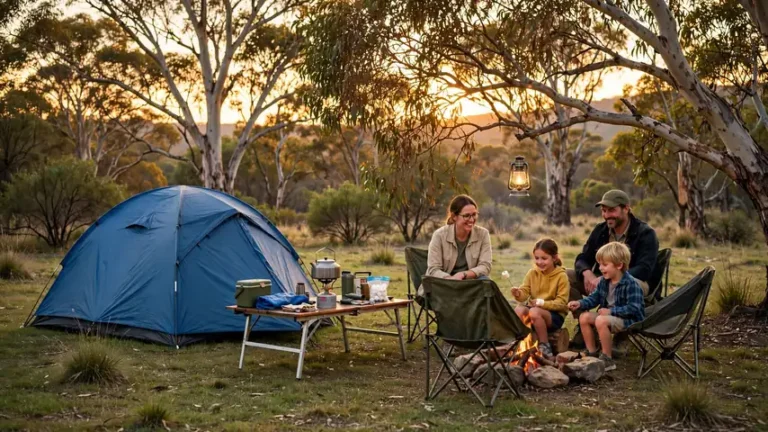
Children can carry a real pack earlier than most parents expect, provided the rules scale down honestly. The load rule is conservative: around ten to fifteen percent of body weight for younger kids, rising toward twenty percent for fit teenagers — and the pack must fit a child’s shorter torso, which rules out handing down an adult small. Adjustable youth packs exist precisely because kids grow through two torso sizes during the years they are keenest to walk. Keep a child’s carried load to their own sleeping bag, clothes and the day’s snacks and water, and let the adults carry the shared weight; a kid who finishes the day still happy is next year’s keen walker, and a kid crushed by a heroic load is a future non-camper. Teenagers graduating to full loads should go through the same shop fitting process as an adult — loaded, measured, walked around — because the growth-spurt years are when a bad hip belt does real damage to enthusiasm and posture alike. Schools and clubs running Duke of Edinburgh and similar programs hire packs for good reason, and hiring is also the right answer for a first family expedition before you know whether the sport has taken. Once it has, the fitting framework in this guide applies unchanged: torso first, load on the hips, volume for the trips you will actually do.
Hire before you buy
If you walk twice a year, the smart money hires. Bushwalking shops in the walking states rent quality packs by the weekend, sized and fitted in store, which converts this entire guide into a pre-trip checklist rather than a purchase decision. Hiring is also the correct first move for a growth-spurt teenager, a partner being introduced to multi-day walking, or anyone testing whether they enjoy carrying their world before spending serious money on the privilege. Hire twice, note what rubbed and what worked, and if a third trip appears on the calendar, buy with that knowledge in hand. The pack you buy after hiring is almost never the pack you would have bought before it — it is smaller, tougher in the places your hired packs wore, and chosen for your tracks rather than a catalogue’s idea of them. That one change of sequence, hire-then-buy, is the cheapest expertise in bushwalking, and the fitters in good shops will tell you the same thing for free.
Frequently asked questions
What size hiking backpack do I need for multi-day trips?
Most Australian multi-day walkers are well served by 55–65 litres for three-to-five-day trips in three seasons. Overnighters need 40–50 litres; winter alpine and week-long expedition loads justify 65–75 litres. Your existing gear’s bulk decides as much as the trip length.
How should a hiking backpack fit?
The hip belt should sit centred on your hip bones and carry most of the load; shoulder straps stabilise. Back length (C7 vertebra to hip) sets your pack size. Always test a pack loaded with realistic weight in the shop — an unloaded fit tells you almost nothing.
Are expensive hiking backpacks worth it?
For regular multi-day walkers, yes: better frames, fabrics and repairability mean the pack lasts a decade and carries comfortably at loads where cheap packs fall apart. Occasional overnighters can spend less and hire for the rare big trip.
Do I need a rain cover for my backpack?
You need a waterproofing system: a fitted rain cover, a heavy-duty pack liner, or dry bags for your insulation and clothes — most experienced walkers use a liner or dry bags because covers blow off and pool water in scrub. Assume the pack fabric itself is not waterproof.