Streamlining Dental Insurance Claims: Practical Steps for Providers
Managing insurance claims is a crucial, yet often complicated, part of operating a dental practice. Providers who proactively refine their claims process save time, reduce administrative burden, and improve overall patient satisfaction. Understanding and employing strategic techniques can transform claims management from a stressor into a streamlined, value-added workflow component. Dentists and administrative staff can use reliable resources, such as https://www1.deltadentalins.com/dentists/resources/claims-and-payments.html, to ensure accuracy and compliance with payers’ guidelines.
Practices can unlock greater efficiency and financial stability by taking a proactive stance toward insurance verification, patient education, and digital adoption. Comprehensive communication and data-driven decision-making empower teams to reduce errors, resolve claims faster, and foster trust among patients and insurance partners.
Verify Insurance Coverage in Advance
Accurately verifying insurance coverage prior to every appointment is vital. Confirm the patient’s eligibility, understand their plan limitations, and clarify co-payment or deductible amounts. This crucial step helps avoid unexpected denials and ensures that claims submitted to insurers are more likely to be processed without delays. Verification also enables dental offices to inform patients in advance about what their insurance will cover and what portion they may need to pay themselves, drastically reducing billing confusion at checkout.
Proactively checking coverage status can also alert providers to plan changes since a patient’s last visit, keeping documentation current and avoiding costly documentation errors or claim rejections. Insurance verification should ideally be integrated into appointment confirmation procedures to double up on efficiency and information accuracy.
Educate Patients About Insurance Benefits
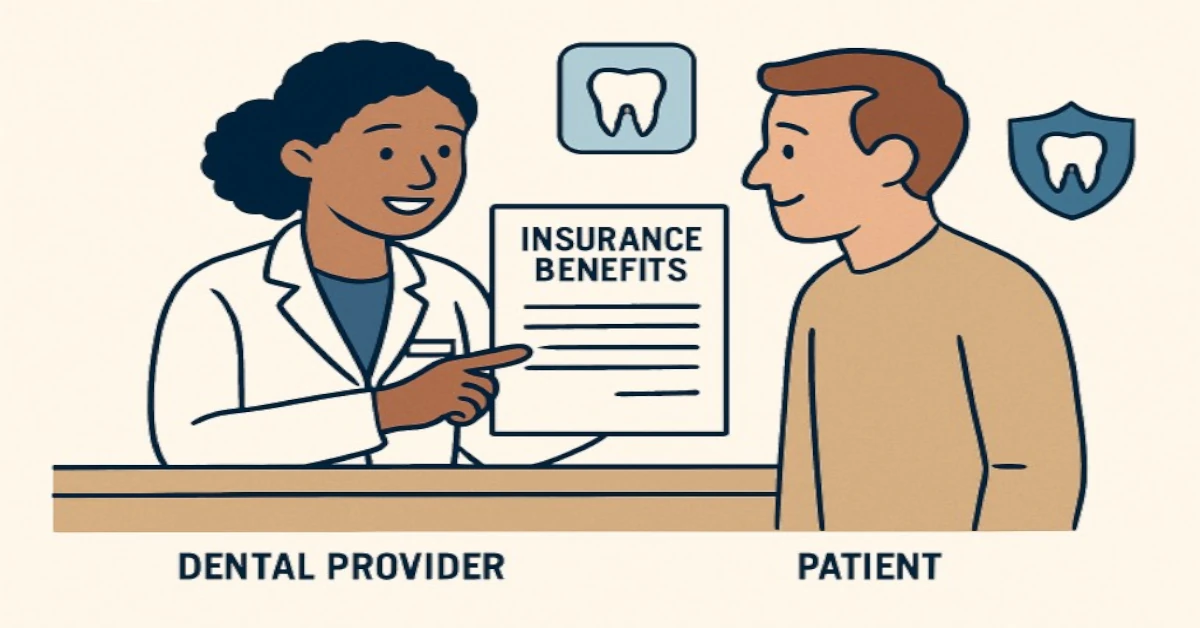
Patients’ unfamiliarity with insurance jargon, copays, and annual limits often leads to confusion or disputes. During the initial consultation, taking time to explain these concepts in simple, relatable terms builds transparency and trust. Providing written summaries or printed benefit breakdowns helps reinforce this education and gives patients a reference for their responsibilities.
Patient education minimizes the risk of payment disputes and empowers individuals to make informed decisions about their oral health. A well-informed patient is less likely to be surprised by an uncovered service, creating a smoother financial experience for all parties involved.
Transition to Electronic Claims Submission
The move from manual to digital claims submission is a cornerstone for modernizing dental office operations. Electronic claim platforms and cloud-based management software offer significant benefits such as automated data validation, reduced paperwork, and accelerated processing times. Practices that make the switch see fewer clerical errors and benefit from real-time status updates, which keep cash flow consistent and aid in faster problem resolution if a claim is held up.
Automation tools help staff spend less time on repetitive administrative tasks and more time serving patients or handling complex cases. As an added benefit, digital submissions correspond to health industry best practices for security and data retention.
Centralize Insurance Information
Consolidating all insurance data—such as eligibility checks, prior authorizations, claims history, and plan details—into one secure, easily accessible platform leads to measurable productivity gains. This approach enables faster information retrieval, eliminates document duplication, and supports seamless communication among the front desk, billing department, and clinical staff.
Centralization also assists with ongoing compliance and auditing needs, as all relevant insurance materials can be retrieved quickly if a patient or insurer has a question. Integrated practice management software often includes these features natively, streamlining many of a dental practice’s most tedious administrative responsibilities.
Establish Clear Communication Channels
Timely, open communication channels with insurers are essential for resolving claims efficiently. Frequent roadblocks—such as missing documentation or unclear treatment notes—can often be addressed with a quick phone call or a secure digital message. Establish standardized protocols for when and how to contact payers, ensuring that follow-up happens consistently and inquiries are addressed within the shortest possible window.
Documentation templates, team training, and clear recordkeeping all aid in the quick resolution of questions or denials. Building professional relationships with insurance representatives can also lead to faster resolution of escalated issues or appeals.
Negotiate Fair Reimbursement Rates
Dental practices are not limited to accepting every rate offered by insurance companies. By comparing reimbursement data with national averages, as reported by the Centers for Disease Control and Prevention’s dental statistics, dental practices can effectively benchmark their own rates. They can use this data to open conversations with major insurers and advocate for compensation that accurately reflects the quality of care provided.
Documented outcomes and high patient satisfaction can be compelling negotiation points that help secure higher standardized reimbursements, directly impacting a practice’s financial health. Remember that negotiation is often ongoing rather than a one-time discussion, and periodic reviews are advisable.
Leverage Data Analytics for Insights
Analyzing the flow of claims from submission to reimbursement can reveal inefficiencies, delay triggers, or patterns of denial. Practices leveraging advanced reporting tools can identify the most common reasons for claim denials and take targeted action to correct them. Data analysis also streamlines the negotiation process by supplying concrete evidence regarding claim approval timelines, reimbursement rates, and payer responsiveness.
Data-driven decisions form the foundation for scalable and sustainable improvements. By routinely reviewing key performance indicators, dental offices ensure continuous enhancement of insurance interactions, ultimately improving practice profitability and patient satisfaction.
Utilizing these practical steps to streamline dental insurance claims revolutionizes the patient-provider-office triad. Practices that invest in technology, education, and communication protocols place themselves at a distinct advantage, offering an efficient and trustworthy experience to their patients and partners alike. Staying updated on industry guidelines with reliable sources and tapping into detailed analytics keeps practices ahead in an evolving healthcare landscape.