Free Camping Spots in NSW
Disclosure: We may earn a small commission if you purchase through our links, at no extra cost to you.
New South Wales is the best free-camping state in Australia, and it is not close. Thanks to one generous system — state forests — plus a scattering of free national park campgrounds and council recreation areas, the free camping spots NSW offers can carry a whole road trip. This guide explains how free camping actually works in NSW, names the spots locals rely on, and covers the rules that keep it legal.
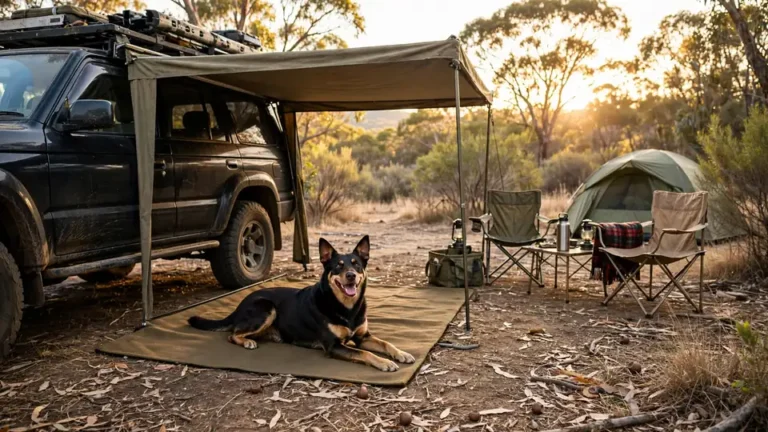
The foundation is the Forestry Corporation’s policy: NSW state forests are free to camp in. You can pitch a tent almost anywhere in a state forest outside the exclusions (roads, picnic and permit areas, pine plantations and closed areas), sites can’t be booked — it is first come, first served — and the maximum stay is four weeks. Dogs are welcome under control, which makes state forests the go-to for campers travelling with a dog, since national parks are off-limits to pets. The Forestry Corporation’s own camping-in-state-forests guidance sets out the rules and the fire restrictions that apply in warmer months.
- NSW state forests are free to camp in: no bookings, first come first served, four-week maximum stay, dogs allowed under control.
- Standout free camps: Newnes (Wollemi NP), Bendeela (Kangaroo Valley), Wingello and Swans Crossing state forests, Bretti Reserve.
- Free never means anywhere: roadside and town camping outside designated areas draws fines, and total fire ban rules apply everywhere.
Newnes Campground, Wollemi National Park
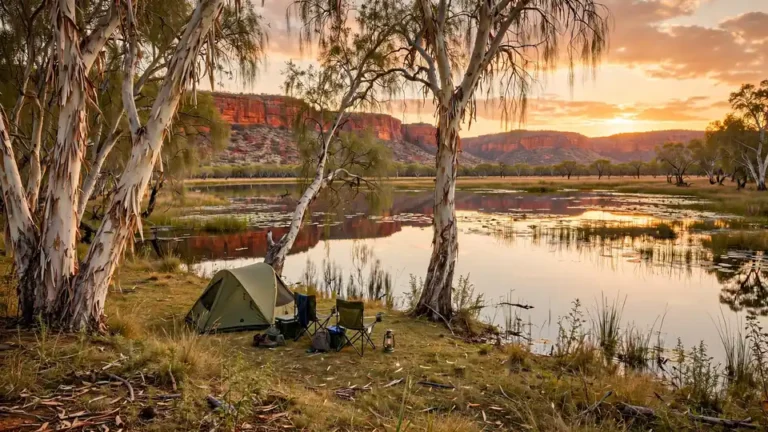
Newnes is the free camp that converts people. Inside Wollemi National Park, north of Lithgow, the campground spreads across a flat valley floor beside the Wolgan River, walled by sandstone cliffs — and it is one of the NSW national park campgrounds NSW National Parks lists as free. The ruins of the Newnes shale oil works sit at the end of the valley, the Glow Worm Tunnel is a day walk or drive away, and wombats own the campground after dark. Facilities are basic (toilets and barbecues per the park listing), there is no booking race to win, and it is an easy weekend from Sydney. The park’s own Newnes campground page has access details and alerts — check it before you go, because Wolgan Valley access can change after heavy rain.
Bendeela Recreation Area, Kangaroo Valley
Bendeela is a big, grassy WaterNSW recreation area on the Kangaroo River, a couple of hours south of Sydney, and it is genuinely free. The draw is the wildlife: bare-nosed wombats graze through the camps in the evening in numbers you will not see anywhere else this close to a city, and the river is swimmable and kayak-friendly. There are toilets and water on site, but no power and no bookings — arrive before Friday afternoon in school holidays if you want a riverfront spot. Note the trade-off: dogs are not permitted at Bendeela, so dog owners should point at the state forests instead.
Wingello State Forest, Southern Highlands
Wingello is the state forest that shows what the system offers: a designated campground among the pines and native forest about two hours from Sydney, with toilets and barbecues, mountain bike trails running straight from camp, and room to spread out. It works for tents, camper trailers and vans, and because it is a state forest, the dog comes too. Campfires are restricted to the cooler part of the year here (Easter to the October long weekend is the usual window in the southern forests) — in summer, cook on gas.
Swans Crossing, Coopernook State Forest
On the Mid North Coast hinterland behind Port Macquarie and Taree, Swans Crossing is a creekside forest camp in tall timber — picnic tables, toilets, walking trails and swimming holes on Upsalls Creek, and a quieter alternative to the coast’s booked-out caravan parks in peak season. It is the kind of camp the state forest system was made for: free, spacious, and better the longer you stay. Combine it with Crowdy Bay or Coorabakh national parks for day trips (park entry rules apply there) and come back to a free bed.
Bretti Reserve, Barnard River
Bretti Reserve, north of Gloucester on the Barnard River, is a council-managed free reserve that travellers consistently rate among the best in the state: a large riverside area with toilets, picnic tables and wood barbecues, swimming and fishing in the river, and room for big rigs alongside tents. It is pet-friendly, which keeps it busy with travelling dog owners, and it works as a base for the Barrington Tops foothills. Council reserves like Bretti survive on campers doing the right thing — take rubbish out, keep stays within posted limits, and leave the site cleaner than you found it.
More free camping spots NSW campers rely on
Two more systems round out the state’s free map. In the south, Bendethera Valley in Deua National Park is the connoisseur’s free camp: a big, open valley floor on the Deua River reached by proper 4WD tracks (including a river crossing that rises after rain), with basic facilities and a feeling of remoteness that belies its distance from Canberra and the coast. It is one of the national park campgrounds that remains free, and the access keeps it honest — if your vehicle can’t cross a river, it isn’t for you. In the high country, the Snowy Mountains campgrounds along the Snowy River and around Thredbo Diggings give you alpine camping at the price of a Kosciuszko vehicle entry pass: the camping itself at these basic grounds costs nothing extra, but park entry fees apply in Kosciuszko, so budget the pass and enjoy riverside camps that would cost real money anywhere else. Winter changes everything up there — snow chains rules, sub-zero nights — while spring and autumn are the locals’ choice.
Free camping spots NSW: how to find them yourself
The spots above are the famous ones, but the system is bigger than any list. Three habits find free camps anywhere in the state. First, think in managers, not apps: Forestry Corporation forests, NSW National Parks, WaterNSW catchment areas and local councils each publish their own camping information, and a free camp is simply a designated site one of them manages without a fee. Second, use the official filters: the NSW National Parks website lets you browse campgrounds and check fees park by park, and Forestry publishes forest visitor information including camping areas. Third, read the sign when you arrive — maximum stays, fire rules, dog rules and generator hours are set site by site, and the sign overrides every app, blog and guide (this one included). Campers who internalise those three habits stop hunting for a single secret spot and start seeing the whole map: between the forests, the free park grounds and the council reserves, you can cross NSW in almost any direction sleeping legally for free most nights.
The rules that keep NSW free camping legal
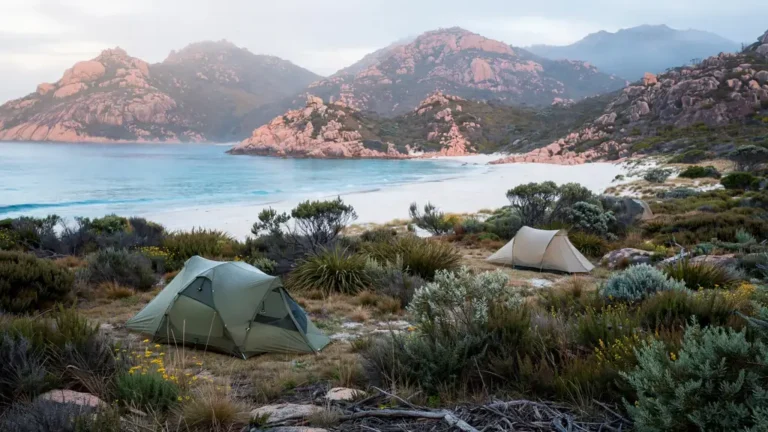
Free camping in NSW works because it is organised, not lawless — the free camping spots NSW offers stay open because the system has rules and campers mostly follow them. State forests: free, unbookable, four-week maximum, dogs under control, campfires only outside fire-ban periods and solid fuel fire bans. National parks: some campgrounds are free (Newnes is the famous one), many are not — most NSW park campgrounds are booked online and paid, and vehicle entry fees apply in many parks even where camping itself is basic. Council reserves and rest areas: rules are set site by site, with posted maximum stays — and roadside rest areas on highways are for fatigue stops, not camping holidays. Never camp on footpaths, in town streets or in undesignated bush near towns; councils enforce it. Total fire ban days override everything: no fires, full stop. For the wider map of where these spots sit, see our best camping spots in Australia guide, and for paid-but-worth-it state coverage, the NSW national parks guide is working its way through our publishing queue now.
The coast problem: where free camping in NSW is not
Balance the good news with the map’s blank edge: the NSW coast. Between the popularity of the beach towns and the pressure on their streets and reserves, coastal councils from Byron to the South Coast enforce no-camping rules hard, and the designated coastal camping is overwhelmingly national park and caravan park inventory that is booked and paid — often booked out. The free system described in this guide is an inland and hinterland system: forests behind the coast, reserves in the ranges, recreation areas on the inland rivers. Plan a NSW trip that way and it works beautifully — free nights inland, a paid coastal night or two where you want the beach — rather than gambling on a beach car park at 9pm, which ends with a knock on the window at 2am in most shires. The hinterland forests behind the Mid North Coast and the ranges behind the Illawarra are the honourable exception, an easy drive from the sand.
Etiquette: keeping the free camps open
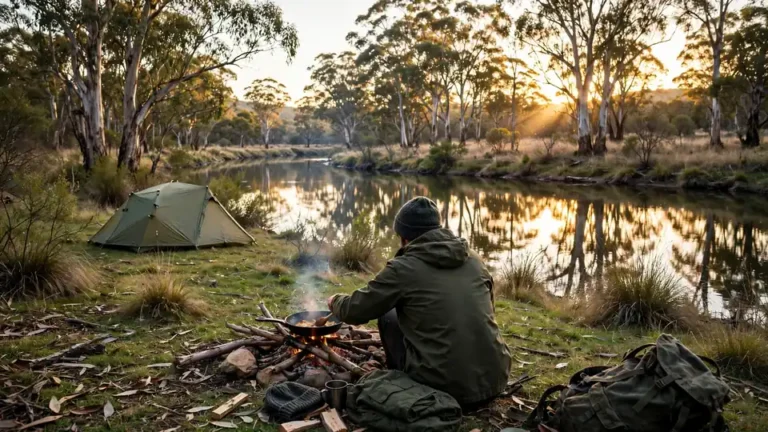
Every free camp in this guide exists at the pleasure of a council, an agency or a community, and they close when campers abuse them — the pattern is always the same: rubbish, greywater on the ground, stays that stretch past the limit, generators at midnight. The etiquette that keeps them open is short. Stay inside the posted limit, even when nobody seems to be counting. Take every scrap out, including food waste and bottle tops. Keep greywater in a container or well away from waterways, and use the toilets provided or your own. Arrive with full water and leave with full rubbish bags, spend a little money in the nearest town, and leave the site tidier than you found it. Do that and NSW will go on offering something almost no other state matches: a legal, free bed for most nights of a road trip, from the ranges to the rivers.
A free-camping weekend from Sydney, planned
Here is how the system works in practice, at the free camping spots NSW weekenders use most. Friday: leave Sydney after lunch, drive to Wingello or Newnes — both about two to two-and-a-half hours — and be pitched before dark with no booking to check into and no fee to pay. Saturday is the point of the place: mountain bike trails at Wingello, or the Glow Worm Tunnel walk and the shale-oil ruins at Newnes, then a fire (outside fire-ban periods, in the fireplace) and wombats doing their rounds. Sunday: slow pack-up, a swim if the river is behaving, and home by mid-afternoon — with the campsite left cleaner than you found it. Total accommodation cost: zero. That is the NSW free-camping proposition at its simplest, and it scales: string Bendeela, Bretti and the forests together and the same logic carries a fortnight.
Frequently asked questions
Where can you camp for free in NSW?
The reliable systems are NSW state forests (free statewide, no bookings, four-week limit), free national park campgrounds such as Newnes in Wollemi, WaterNSW recreation areas like Bendeela, and council reserves like Bretti. Each has its own rules — check the managing body’s page for your specific spot.
Is it legal to camp in NSW state forests for free?
Yes. The Forestry Corporation allows free camping in state forests almost anywhere outside roads, picnic and permit areas, pine plantations and closed areas. Sites cannot be booked, the maximum stay is four weeks, dogs are allowed under control, and fire restrictions apply in warmer months.
Can I take my dog free camping in NSW?
In state forests, yes — dogs are welcome if kept under control. Dogs are not allowed in NSW national parks at all, and some recreation areas such as Bendeela also prohibit them. Check before you travel; the fines are real and the rule protects native wildlife.
How long can you stay at a free camp in NSW?
State forests allow up to four weeks. Council reserves and rest areas set their own limits — commonly 24 hours to a few weeks, posted on site signage. National park campgrounds have their own booking conditions. Always follow the sign at the site over any general guide.