Best Winter Sleeping Bags Australia 2026
Disclosure: We may earn a small commission if you purchase through our links, at no extra cost to you.
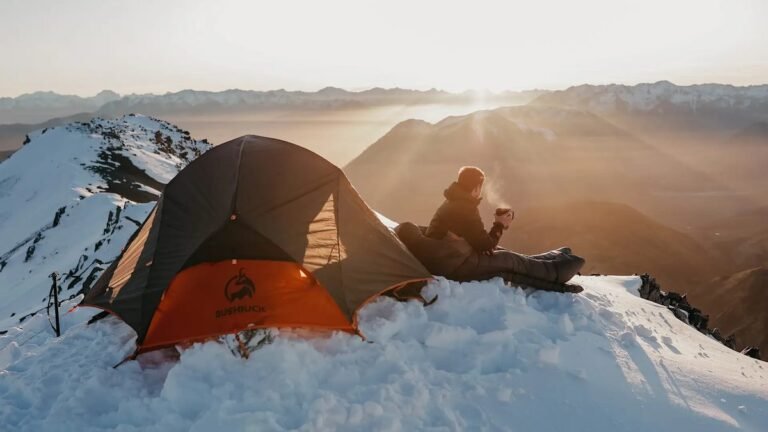
Australian winter camping is a special kind of cold: not the deep, dry -20°C of the Rockies, but a damp, penetrating cold that finds every gap in your system. A frosty night in the Victorian Alps at -5°C can feel worse than -15°C in dry mountain air — humidity conducts heat away from your body relentlessly. The best winter sleeping bags Australia needs are rated -5 to -10°C comfort (not the -20°C+ monsters of Northern Hemisphere guides), and they only work as part of a complete sleep system.
This guide covers seven winter bags and systems with verified prices, decodes winter ratings, and — critically — the mat, tent and clothing choices that make or break winter warmth. For the fill debate see down vs synthetic; for alpine shelters, 4-season tents.
What “winter” means in Australia
Alpine (Snowies, Victorian Alps, Tasmanian highlands): -5 to -15°C overnight in mid-winter, plus wind chill and snow. You need a genuine winter bag: -8 to -12°C comfort, winter mat (R-5+), and a 4-season or strong 3-season tent.
Tablelands and inland (New England, Central Tablelands, Flinders): -5 to 0°C with heavy frosts. A -5°C comfort bag with a good 3-season mat handles it.
Coastal winter: 5–10°C but damp — the cold that feels worse than the thermometer says. A 0°C comfort bag suffices, but synthetic fill’s damp-tolerance shines here.
The key insight: buy for comfort rating, then add 5°C margin. A bag rated -9°C comfort keeps a cold sleeper comfortable at -9°C — not warm, comfortable. If the forecast says -5°C and you’re a cold sleeper, a -9°C comfort bag is the right call, not overkill.
The winter sleep system (the bag is only 1 of 4)
1. The bag (below). 2. The mat: R-5+ for alpine winter — the Therm-a-Rest XTherm NXT (R-7.3, ~$539) is the benchmark. Cold ground defeats any bag. In deep winter, layer a foam mat under your air mat. 3. The tent: blocks wind and spindrift — a winter tent’s job is wind protection more than warmth. 4. You: dry base layers (never cotton — it holds sweat), warm socks, a beanie (huge heat loss from the head), and a hot drink before bed. Never go to bed cold — do star jumps or a brisk walk first; a bag insulates your heat, it doesn’t create it.
Winter sleeping bags Australia: 7 best for 2026
1. Sea to Summit Trek Down -9 — best overall winter bag
The Trek -9 is the winter sweet spot for Australia: 650+ fill Ultra-Dry Down (hydrophobic-treated, so damp alpine air doesn’t kill it), -9°C lower limit with a realistic comfort zone for cold sleepers, tapered-rectangular cut with room to move, and the Free-Flow zip for temperature regulation. $599.99.
Best for: alpine shoulder seasons, Tasmanian winter, and cold sleepers who want one bag for the coldest Australian camping. The Ultra-Dry treatment is the key feature — untreated down in damp alpine conditions is a liability.
2. Marmot Trestles 15 (-9°C) — best value winter bag
SpiraFil synthetic insulation, -9°C rating, 3D hood and footbox — at $279 this is extraordinary value for a genuine winter-rated bag. Synthetic means it keeps working when damp (alpine tents condense; it happens) and it’s easy to wash.
Best for: budget winter campers, damp climates, and anyone who wants winter warmth without the down price or down care. Heavier and bulkier than the Trek, but at less than half the price that’s a fair trade.
3. Sea to Summit Trek Women’s -9 — best women’s winter bag
Women’s-specific cut with extra insulation where women lose heat most, in the proven Trek platform. $499.99 — $100 less than the unisex -9, which makes it one of the best-value winter bags here regardless of gender. Cold-sleeping men should consider it too — the extra insulation is real.
Best for: cold sleepers of any gender who want winter warmth at the best price in the Trek range.
4. Sea to Summit Trek -18°C — best for extreme cold
When -9 isn’t enough — mid-winter Main Range, Tasmanian highland blizzards — the Trek -18 extends the range to genuine expedition cold. $699.99 for the -18°C version. Same Ultra-Dry down, same versatile cut, just more of it.
Best for: serious alpine campers and ski tourers. Overkill for 95% of Australian winter camping — but if you’re in the 5%, nothing else at this price touches it.
5. Mont winter down bags — best premium Australian-made
Mont’s winter bags (made in Canberra) are the connoisseur’s choice — beautiful construction, honest ratings, and local support. They’re priced at the premium end; check mont.com.au for current models and pricing. If you want the best-made winter bag in the country and local warranty backing, start here.
6. One Planet winter bags — best expedition winter bags
One Planet (made in Melbourne) builds expedition-grade winter bags for Australian conditions — the choice of alpine guides and serious mountaineers. Premium pricing; check current models direct. For the hardest Australian winter use, this is the local benchmark.
7. The budget winter system — best cheap way to stay warm
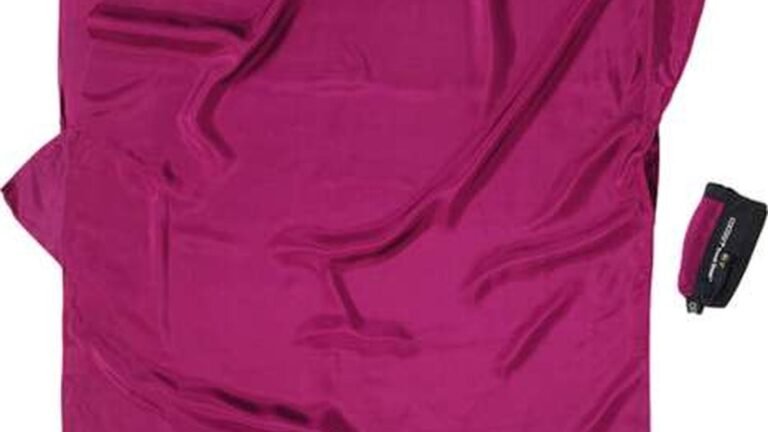
No single budget winter bag exists worth recommending — but a system does: a 3-season synthetic bag (One Planet OESB -5, $249) + a quality liner (+5–8°C, ~$50–80) + your warm clothes + a winter mat. Total under $400, and genuinely warm to -5°C.
The layering principle works: each layer adds warmth, and you already own the clothing layer. It’s bulkier than a dedicated winter bag, but for occasional winter campers it’s the smart money.
Staying warm: winter night routine
Before bed: eat a hot meal, drink something warm, do light exercise to get your core temperature up. Change into dry sleep clothes — never sleep in what you hiked in (sweat = cold). In the bag: wear a beanie, cinch the hood (not over your mouth — breath moisture wets the insulation), and keep tomorrow’s clothes in the bag with you (warm clothes in the morning, and they add insulation overnight).
The hot water bottle trick: fill a sturdy bottle with hot water, wrap in a sock, put it in the bag 15 minutes before bed. Pre-warms the bag and stays warm for hours. Night wees: go before bed, and if you wake needing to go — go. Your body burns energy keeping urine warm; a bottle (with a secure lid, clearly marked) saves the cold trip outside.
Morning: condensation will be on the tent fly — wipe it before packing. Air the bag at the first opportunity; multi-day damp accumulation is what degrades winter bags on long trips.
Before any winter trip, check the BOM alpine forecasts — they are the authoritative source for the conditions your bag needs to handle, and they should drive your bag choice more than any marketing claim.
Vapour barrier liners: the extreme-cold secret
Below -10°C, a new problem appears: your body moisture migrates into the bag’s insulation and freezes there, progressively degrading warmth over multi-day trips. Vapour barrier liners (VBLs) solve this — a non-breathable liner worn inside the bag that traps moisture before it reaches the insulation. The experience: clammy and strange at first — you’re sleeping in a plastic bag, essentially. Most users adapt in a night or two. When they’re worth it: multi-day trips below -10°C, especially in dry cold (Snowy Mountains winter, not Tasmanian damp). For single nights above -10°C, they’re overkill. The alternative: airing the bag daily in sun and wind — works for shorter trips. DIY: a cheap emergency bivvy works as a VBL in a pinch. VBLs are a niche tool, but in true extreme cold they’re the difference between a bag that works on night five and one that doesn’t.
Winter bags for kids
Kids in winter need special attention. They sleep colder: higher surface-area-to-mass ratio means kids lose heat faster — buy warmer than the rating suggests. Sizing: adult bags are dangerous for kids (cold air pockets, face-covering hoods) — use kids’ sizes or adjustable-length bags. Layering: dress kids in dry thermals for sleeping (never the clothes they played in — damp clothes kill warmth). The buddy system: kids sleep warmer with a sibling or parent nearby — shared tent warmth is real. Hot water bottle: the old trick still works — a bottle in the foot of the bag pre-warms it beautifully. (Use a proper hot water bottle, not a soft-drink bottle — and check the seal.) Know the signs: teach kids to tell you if they’re cold — shivering, cold hands, restlessness. Don’t wait for morning to discover a cold child. Winter camping with kids is wonderful when they’re warm and miserable when they’re not — the bag is the difference.
Sleeping bag layering systems
Two bags can beat one winter bag. How it works: a summer bag inside a 3-season bag (or a quilt over a bag) — the combined rating is roughly the sum minus a few degrees, and the system is more versatile than a single winter bag. When it wins: campers who already own bags (no new purchase), shoulder seasons (use one bag when mild, both when cold), and couples (share the layering). The rules: the inner bag must not be compressed by the outer — if it’s squashed, the insulation can’t loft and you gain nothing. Size the outer generously. Moisture: layering traps more moisture — air both bags daily. Weight: two bags weigh more than one equivalent winter bag — it’s a car-camping or budget strategy, not an ultralight one. The verdict: layering is the smart way to extend your existing gear into winter without buying a dedicated bag. Try it on a cold weekend before committing to a $700 winter bag.
When is a winter bag overkill?
Winter bags are specialised tools — don’t buy one for summer problems. Overkill when: you’re camping above 5°C nights (a 3-season bag plus layers is lighter, cheaper and more versatile), you’re car camping in mild areas (a doona from home works), or you camp twice a year (hire a winter bag for the snow trip). The versatility trap: a -15°C bag used at 10°C is miserable — you’ll overheat, sweat, and degrade the bag. One bag can’t do everything. The smart quiver: a 3-season bag for most camping, a winter bag for alpine — two bags that each work brilliantly beat one bag that works badly at both. Hire first: winter gear shops hire expedition bags — try before you buy a $700 bag you’ll use twice a year. Buy the winter bag when winter camping is a habit, not an aspiration.
Winter bag care: drying and storage
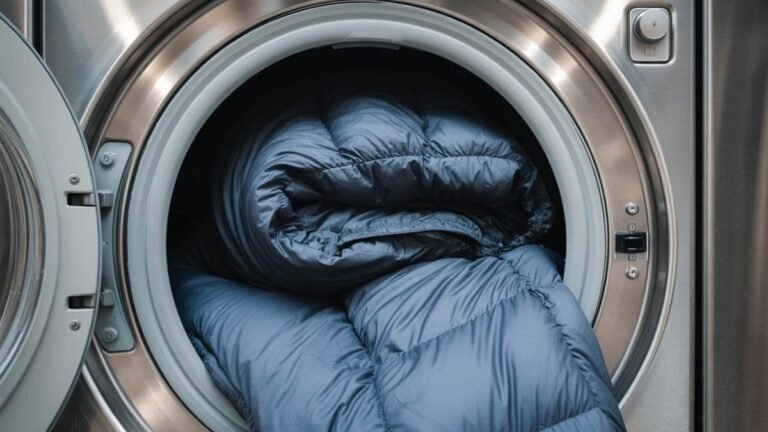
Winter bags work harder than summer bags and need more care. Daily on trip: air the bag every morning — drape it over the tent or a branch for 20 minutes. This drives out the night’s moisture before it accumulates. In winter, moisture management is survival, not housekeeping. After the trip: wash if needed (down wash or synthetic wash, front-loader only), then dry thoroughly — a damp winter bag stored damp is a dead winter bag. Drying takes longer than you think; use a dryer on low with tennis balls for down (it restores loft), or line-dry synthetic with regular fluffing. Storage: lofted, in the big storage sack, in a cool dry place — never compressed. Long-term: air winter bags every few months in storage; check for musty smells (early mould warning). A $700 winter bag maintained this way lasts 15+ years; neglected, it’s done in five. The care is the investment.
Frequently asked questions
What temperature sleeping bag do I need for winter in Australia?
Alpine winter: -8 to -12°C comfort rating. Frosty inland/tablelands: -5°C comfort. Coastal winter: 0°C comfort. Always buy 5°C warmer than your coldest expected night, and match it with a winter-rated mat (R-5+).
Are winter sleeping bags worth it for occasional use?
A dedicated winter bag ($280–$600) is worth it if you camp in winter regularly. For one or two winter trips a year, the layering system (3-season bag + liner + warm clothes) is smarter money.
Why am I still cold in a winter sleeping bag?
The usual culprits: mat with too low an R-value (cold from below — the #1 cause), damp clothing, going to bed already cold, or a bag that’s lost loft from poor storage. Fix the mat first — it solves most cases.
Down or synthetic for winter camping?
Hydrophobic-treated down (like Sea to Summit’s Ultra-Dry) for most Australian winter camping — lighter, warmer, and now moisture-resistant. Pure synthetic for the dampest conditions (Tasmania, coastal) or if you won’t maintain down properly.
How do I dry a sleeping bag on a winter trip?
Air it in any sun or wind during the day — even cold air dries if it’s moving. Never pack it wet. In huts, hang it near (not on) heat sources. A damp bag loses warmth progressively, so drying is a daily discipline on multi-day winter trips.
← Back to our complete guide: Best Sleeping Bags Australia 2026