Best Kids Sleeping Bags Australia 2026
Disclosure: We may earn a small commission if you purchase through our links, at no extra cost to you.
Finding the best kids sleeping bags Australia has to offer is one of those jobs that looks simple until you’re standing in the aisle. The kids’ section is full of bags covered in dinosaurs and space prints, most with a vague “5°C” on the tag and no explanation of what that means. Buy the wrong one and your child spends the night cold and miserable — which means you spend the night awake, which means nobody enjoys the trip. Get it right, though, and kids sleep like logs in a tent. They genuinely do; children are excellent tent sleepers once they’re warm.
This guide covers what actually matters in a kids’ bag (size first, everything else second), the best options you can buy in Australia right now with verified prices, and the mistakes that ruin family camping trips.
Why Kids Need Their Own Bags (Not Shrunken Adult Bags)
The single most important fact about kids sleeping bags: a child in an adult bag is a cold child. Sleeping bags work by trapping the air your body warms. Put a small body in a big bag and there’s a cavern of dead air space the child can’t heat. The result is a kid who’s freezing in a bag “rated” well below the night-time temperature.
This is why the first rule of buying for kids is fit first. A good kids’ bag should leave roughly 10–15cm of grow room past the child’s height — enough to last a couple of seasons, not so much that they’re swimming in it. For a child who is 120cm tall, a bag with an internal length around 130–140cm is the sweet spot. Some bags have clever extendable footboxes or adjustable length systems; those are worth paying a little extra for because kids grow fast and a bag that lasts three seasons instead of one is real money saved.
The second rule: buy to the comfort rating, and add margin. Kids are terrible thermoregulators compared to adults — they lose heat faster relative to their size, they wriggle out from under covers, and they won’t tell you they’re cold until they’re properly miserable. If you’re new to how ratings work, read our sleeping bag temperature ratings explained guide first. For kids, take the rating and mentally add 5°C of caution on top of the buffer you’d use for yourself.
What to Look For in Kids Sleeping Bags Australia
Size and grow room
Check the bag’s dimensions, not just the age suggestion on the packaging. “Ages 5–8” varies wildly between brands. Measure your child, add 10–15cm, and compare against the bag’s stated length. Width matters too — a bag that’s too narrow is a wrestling match every bedtime, and overtired kids plus tight bags equals tears.
Temperature rating (honest ones)
Most kids’ bags in the AU market are synthetic, unrated, and labelled with a single optimistic number. Treat any unrated kids’ bag as roughly 5°C warmer than claimed. For three-season family camping in southern Australia, look for something genuinely comfortable around 0–5°C. For summer-only caravan park trips, a 5–10°C bag is fine.
Weight and pack size
If your child is old enough to carry their own gear on a walk-in camp or a school camp, weight matters. Synthetic kids’ bags typically run 1–1.8kg. Under 1.2kg is good for a kid-carried bag; up to 2kg is fine for car camping where it just gets tossed in the boot.
Zips and anti-snag design
Kids are brutal on zips. A bag with a snag guard behind the zip, a chunky easy-grab puller, and ideally a two-way zip (so little legs can vent on warm nights) will survive far longer. Bags that can zip together with a sibling’s or parent’s bag are a bonus for nervous first-timers who want to be close to mum or dad.
Washability
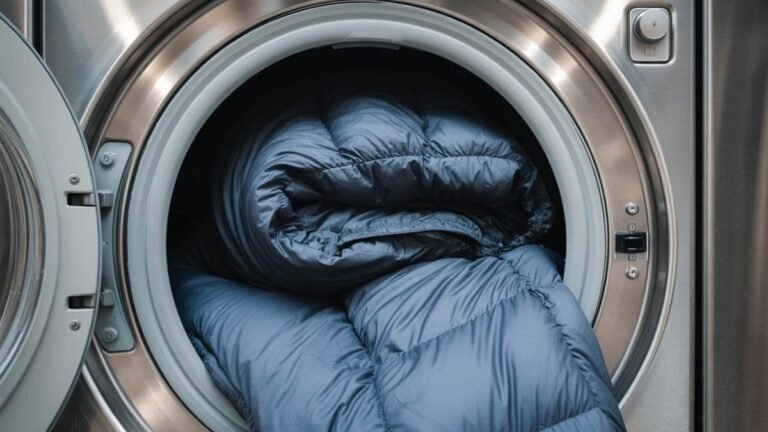
Kids’ bags get filthy. Biscuit crumbs, sunscreen, mysterious stickiness — it’s all going in there. Machine-washable synthetic bags are non-negotiable for kids. Check the care label before buying: some junior bags with novelty prints aren’t machine washable, which is a deal-breaker. Our guide to washing sleeping bags covers how to do it without wrecking the insulation.
Fun factor
This isn’t fluff — a bag a child is excited about is a bag they’ll happily climb into at 7pm instead of fighting bedtime for an hour. Let them pick the colour or print from your shortlist of suitable bags. The novelty wears off; the warmth doesn’t.
The Best Kids Sleeping Bags You Can Buy in Australia
Prices below were checked against Australian retailers in October 2026. Kids’ bags go on sale constantly, so treat these as street-price guides. For the current range, Anaconda’s sleeping section stocks most of the bags below alongside the rest of the family sleep system.
Best overall: OZtrail Junior Kingsford Sleeping Bag
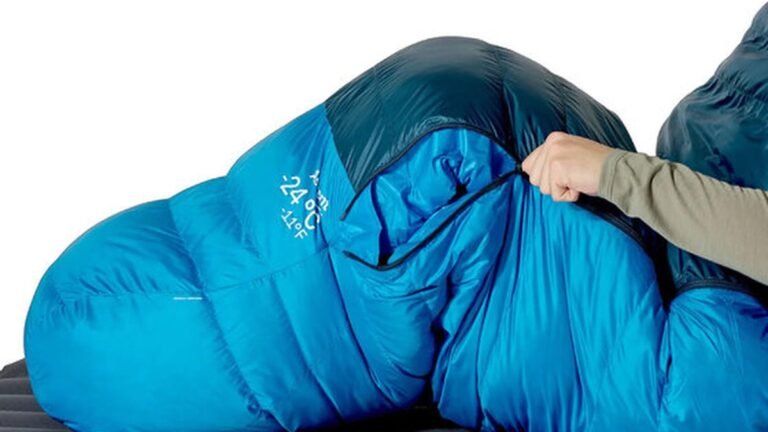
The Junior Kingsford is the junior version of OZtrail’s popular Kingsford range, and it’s the easiest recommendation in this guide. It comes in 0°C and -3°C ratings, uses a recycled synthetic fill, and — critically — is machine washable, which many novelty kids’ bags aren’t. The 0°C model lists around $42.99 and the -3°C around $47.99 at Australian retailers, which is remarkable value for a properly constructed mummy-style junior bag rather than a rectangular novelty sack. It’s sized for kids rather than scaled-down adults, the hood actually fits a child’s head, and OZtrail’s distribution means you can find it at BCF, Anaconda, and independent camping stores nationwide. If you only buy one thing from this list, make it this.
Best budget: Wanderer kids’ sleeping bags (BCF)
BCF’s house brand Wanderer regularly has kids’ sleeping bags in the $25–$60 range, often on clearance or catalogue special. These are simple rectangular synthetic bags — not technical marvels, but perfectly serviceable for summer caravan-park camping and backyard sleepouts. At these prices you can kit out three kids for the cost of one premium bag. The trade-off: ratings are optimistic, the cut is roomy (fine for warm nights, chilly for cold ones), and prints rotate with catalogues. Buy for the conditions you’ll actually camp in, not the conditions you aspire to.
Best for cold sleepers: junior mummy bags rated to -3°C and below
If your child genuinely feels the cold — cold hands at the dinner table, always asking for a jumper — skip the novelty bags entirely and get a junior mummy bag with a real sub-zero rating like the -3°C Junior Kingsford above. The tapered cut eliminates the dead air space that makes kids cold, the hood seals in warmth, and you’ll get an extra season or two of use out of it as they grow. Pair it with a decent insulated mat rather than a $15 air bed and you’ll be amazed at the difference.
Best for toddlers and first-timers: indoor/outdoor junior bags
For the under-5s, the priority is familiarity and safety rather than technical specs. A simple rectangular junior bag they’re allowed to use for living-room sleepovers first takes the strangeness out of the tent. Keep toddlers’ bags on the warmer side of what you think they need, dress them in dry thermals (never the clothes they wore all day), and never use a hood cinched tight around a small child’s face — leave hoods loose or use bags without restrictive hoods for under-4s.
Best grow-with-me pick: adjustable-length junior bags
A few junior bags on the AU market have fold-up or drawcord-adjustable foot sections that shorten the bag for smaller kids and extend as they grow. These cost more upfront but can genuinely last from age 5 to 10, which beats buying three bags. When comparing, check that the adjustment mechanism is simple — if it needs an adult and ten minutes with the manual, it won’t get used.
The Mat Matters More Than You Think
Here’s the thing most parents get wrong: they spend $80 on the bag and $15 on the mat, when the mat does at least half the warming work. A child on a thin uninsulated air bed is losing heat into the ground all night no matter how good the bag is. For kids, a basic self-inflating mat (the 2.5–5cm foam-filled kind) is the sweet spot — comfortable, insulating, nearly indestructible, and they can’t pop it by jumping on it. Our comparison of self-inflating vs air vs foam mats explains the trade-offs, but for kids the answer is almost always self-inflating.
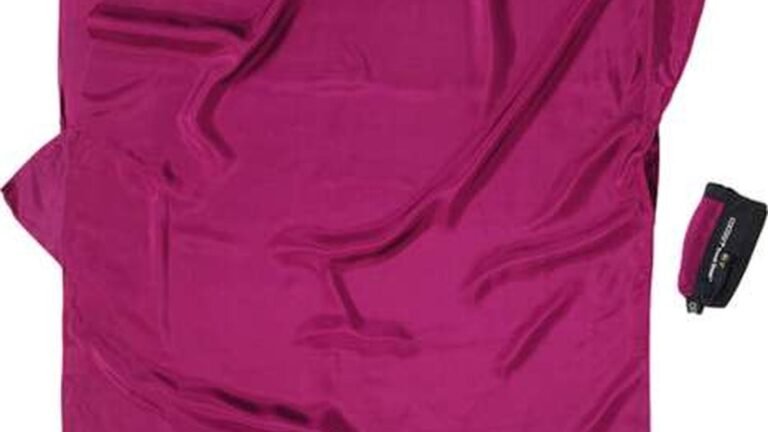
Add a sleeping bag liner and you’ve got a flexible system: liner alone on hot nights, liner plus bag when it cools down, and the liner keeps the bag clean through the biscuit-crumb years.
7 Mistakes That Ruin Kids’ Camping Sleep
- An adult bag “they’ll grow into.” They’ll be cold every night until they grow into it, which might be years. Buy for now.
- Cotton pyjamas. Cotton holds sweat and chills. Dry synthetic or merino thermals are the move — and change into them at bedtime, don’t sleep in day clothes.
- No beanie. A huge share of a child’s heat loss is from an uncovered head in a cold tent. A simple beanie at bedtime is the cheapest warmth upgrade there is.
- Skipping the bedtime wee. A full bladder genuinely makes kids colder and guarantees a midnight tent exit. Make it part of the routine.
- Overheating then chilling. Kids who go to bed sweaty from running around will chill as the sweat cools. Calm wind-down, then bed.
- The bag straight from the stuff sack. Shake the bag out and let it loft for 20 minutes while you do dinner. Compressed insulation needs time to puff back up.
- Ignoring the ground. As above: mat first, bag second. A $40 bag on a good mat beats an $80 bag on bare tent floor.
How to Keep the Bag Going for Years
Kids’ bags live hard lives. Air the bag every morning — turn it inside out over a chair while you make breakfast. Never store it compressed between trips; hang it in a wardrobe or keep it in the big loose storage sack. Wash it when it actually smells or looks grubby (usually once or twice a season for kids), with a technical wash rather than regular detergent, and dry it completely before storing. A $45 bag treated well will outlast a $90 bag treated badly, and the hand-me-down economics of kids’ gear make care worth it.
Where to Buy Kids Sleeping Bags in Australia
You don’t need to hunt far. BCF stocks the Wanderer kids’ range plus OZtrail junior bags in most stores, and their catalogue sales a few times a year are the cheapest time to buy — it’s common to see kids’ bags drop under $30. Anaconda carries the OZtrail Junior Kingsford and a rotating cast of house-brand Spinifex junior bags, and their Adventure Club pricing can shave a meaningful amount off. Snowys and Tentworld are better bets for technical junior bags from Sea to Summit and other hiking brands, with knowledgeable staff if you’re buying for a school hiking camp. Kmart and Big W sell basic kids’ sleeping bags for under $25 that are fine for backyard sleepouts but not for real cold-weather camping — fine as a spare, not as the main bag for a winter trip. Wherever you buy, check the returns policy and let your child try zipping in and out in the store; a bag they can’t operate themselves is a bag you’ll be managing at 10pm in the dark.
Frequently Asked Questions
What temperature rating should a kids sleeping bag have?
For three-season family camping in southern Australia, look for a genuine 0–5°C comfort rating. For summer-only trips, 5–10°C is enough. Remember kids sleep colder than adults, so add margin — and treat unrated budget bags as 5°C warmer than the tag claims.
What age can kids use a regular sleeping bag?
Most kids fit a junior bag from around age 4–5. Under-10s should not use adult bags — the excess dead air space makes them cold. Teens around 150cm+ can move to a small adult bag.
Are expensive kids sleeping bags worth it?
For car camping in mild weather, no — a $40–$50 bag like the OZtrail Junior Kingsford is plenty. Spend more only if your child camps in genuinely cold conditions, carries their own gear hiking, or needs an adjustable bag to last many years.
Can two kids share a double sleeping bag?
Small children can, and it can help nervous first-timers settle. But kids wriggle and steal covers, so for actual warmth two separate junior bags usually work better. See our guide to double sleeping bags for couples for how double bags work for adults.
How do I wash a kids sleeping bag?
Machine wash most synthetic kids’ bags on a gentle cold cycle with technical wash (not regular detergent), then tumble dry on low with dryer balls or air dry completely. Full instructions are in our sleeping bag washing guide.
← Back to our complete guide: Best Sleeping Bags Australia 2026