Sleeping Bag Liners
Disclosure: We may earn a small commission if you purchase through our links, at no extra cost to you.
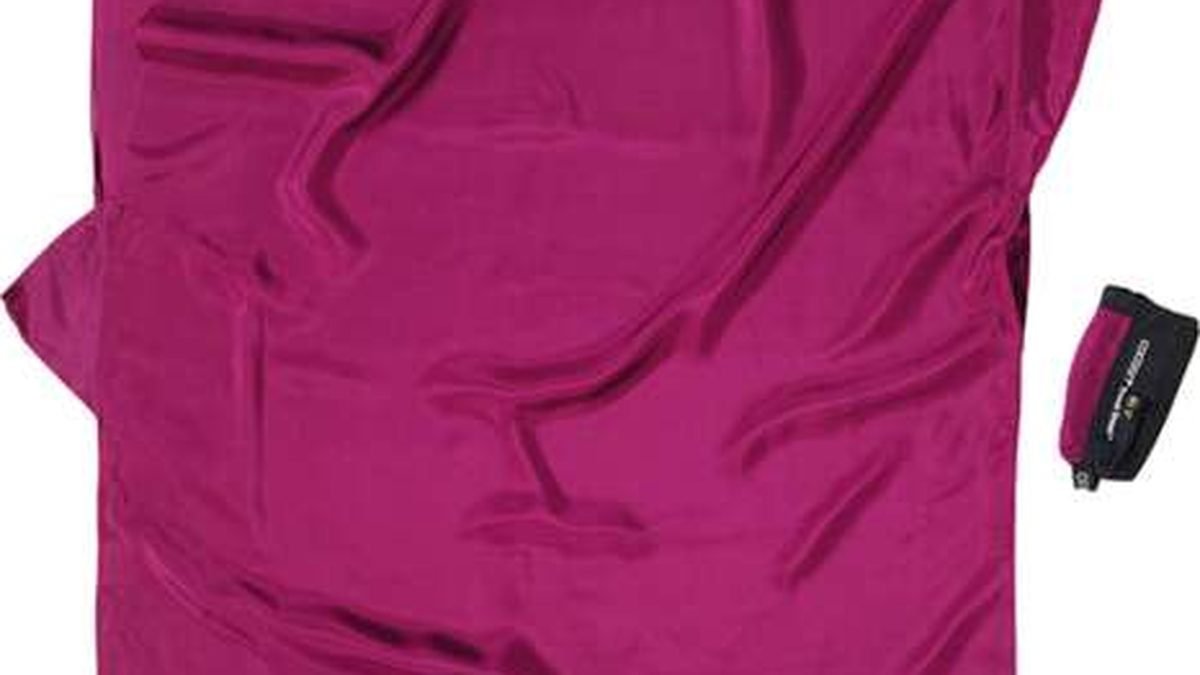
A sleeping bag liner is a thin sack — silk, cotton, or synthetic — that slips inside your sleeping bag like a bedsheet. They’re one of the most debated accessories in camping: manufacturers claim they add up to 15°C of warmth, sceptics call them an expensive bedsheet, and the truth is more interesting than either position. This guide gives you the honest picture: what sleeping bag liners actually do, how much warmth they really add, which fabric suits which camper, and the best liners you can buy in Australia right now with verified prices.
What Sleeping Bag Liners Actually Do (Ranked by Real Value)
1. Hygiene — the real reason to own one
This is the benefit that matters most and gets talked about least. Every night in your bag, your body deposits sweat, skin oils, sunscreen, and insect repellent into the lining. Over a season, that grime migrates into the insulation, reducing loft and therefore warmth — and it means washing the whole bag, which wears it out. A liner takes that abuse instead. Washing a $50–$140 liner regularly is trivial; washing a $400 down bag is a half-day project with real risk. If you do nothing else, buy a liner to protect your bag investment. Our sleeping bag washing guide explains why less washing means a longer-lived bag.
2. Warmth — real, but modest
Here’s the honesty: thermal liners (Thermolite and similar) do add warmth, but treat the big marketing numbers with deep scepticism. A liner claiming “adds up to 15°C” might add 3–5°C in real conditions for most sleepers. That’s still genuinely useful — it’s the difference between comfortable and chilly on a shoulder-season night, and it can extend a summer bag into spring and autumn. But a liner is not a substitute for buying the right temperature-rated bag in the first place. Think of it as a booster, not a foundation.
3. Standalone summer sheet
In hot weather, a liner used on its own — no bag — is brilliant. Tropical nights in Far North Queensland, heatwave camping anywhere: a cotton or Coolmax liner gives you something clean between you and the mat, a touch of coolness, and a layer against tent mesh. Many campers’ liners spend more nights as standalone sheets than as bag inserts.
4. Travel hygiene
Hostels, huts, dodgy motel beds, overnight trains: a liner is a personal clean sleep space anywhere. The silk and cotton travel liners with pillow sleeves were designed exactly for this.
Sleeping Bag Liner Fabrics Compared
Silk — the luxury option
The lightest, most compact, and nicest-feeling liner fabric. Silk breathes beautifully, packs to the size of an apple, and feels cool in heat. Downsides: expensive ($115–$140 for Sea to Summit’s silk options at Australian retailers), less durable than synthetics, and adds the least warmth — buy silk for comfort and pack size, not thermal boost.
Thermolite / thermal synthetic — the warmth option
Hollow-core synthetic fibres (Thermolite is the best known) trap more air and add the most warmth of any liner type — realistically a few degrees. They’re bulkier and heavier than silk, with a slightly fleecy feel some people love and others find too warm for summer standalone use. This is the liner to buy if extending your bag’s range is the goal.
Cotton — the comfort option
Cheap, soft, familiar — cotton liners feel like a bedsheet because they are one. But cotton absorbs moisture and dries slowly, making it a poor choice for humid or cold conditions where damp fabric chills you. Fine for summer car camping and hostel travel; not for hiking or cold weather.
Coolmax / moisture-wicking blends — the hot-weather option
Designed to wick sweat and feel cool, these are the best standalone summer sheets for tropical camping. They cost more than cotton but perform dramatically better in heat and humidity — the right choice for Far North Queensland and the Top End.
Fleece — the budget warmth option
Heavy, bulky, but cheap and genuinely warm. A fleece liner can add meaningful warmth for car campers who don’t care about pack size. Hikers should skip it — the weight and bulk penalty is severe.
The Best Sleeping Bag Liners in Australia
Best all-rounder: Sea to Summit Comfort Blend Liner
A cotton-polyester blend that balances softness, durability and price — around $47.90 at Snowys. It doesn’t add much warmth, but as a hygiene layer and summer sheet it’s excellent value, it comes in rectangular and mummy shapes, and the rectangular version has a pillow sleeve that stops your pillow migrating at night. If you buy one liner and you’re not sure which, buy this. See the full liner range at Sea to Summit’s product page.
Warmest: Sea to Summit Thermolite Reactor Compact Plus
The liner for stretching your bag’s range. The Thermolite hollow-core fabric is the warmest liner material going, with a useful stretch knit that moves with you instead of tangling — a genuine complaint with non-stretch liners. RRP around $89.99. Realistic expectation: a few degrees of extra warmth and a noticeably cosier bag. Pair it with your three-season bag for shoulder-season trips rather than buying a second winter bag.
Best luxury: Sea to Summit Silk Blend Liner
Silk blended for durability, packing tiny and feeling beautiful against the skin. Around $139.95 at Australian stockists. This is the traveller’s and gram-counter’s liner: hostels, huts, ultralight hiking where every gram matters. Don’t buy it for warmth — buy it for feel and pack size.
Best traveller: Sea to Summit Silk + Cotton Travel Liner
The classic hostel liner: silk-cotton blend, pillow sleeve, packs small, RRP around $114.99. If your liner will spend more nights in hostels and huts than in tents, this is the one. The blend is tougher than pure silk while keeping most of the comfort.
Shapes, Sizes and Fit
Liners come in mummy, rectangular, and double shapes. Match the liner shape to your bag — a rectangular liner in a mummy bag bunches and tangles; a mummy liner in a rectangular bag leaves cold gaps at the corners. For length, standard fits to about 183cm; taller campers need the long version. The stretch-knit thermal liners are more forgiving on fit than woven silk or cotton. And a small tip: put the liner in the bag before you leave home. Wrestling a liner into a bag inside a dark tent is nobody’s idea of fun.
Liner vs Warmer Bag: The Economics
A common question: should I buy a $90 thermal liner or put that $90 toward a warmer bag? The answer depends on your trip spread. If 90% of your camping is in mild weather with the occasional cold snap, a liner extending your existing bag is the smart money — you keep the lighter, smaller bag you love for most trips. If you’re regularly camping at the edge of your bag’s rating, buy the warmer bag; a liner papering over a fundamentally inadequate bag is false economy and poor sleep. And remember the other half of winter warmth — your mat, clothing, and tent routine matter as much as what’s inside the bag.
Sleeping Bag Liners Compared
| Liner | Fabric | Warmth boost | Weight | Price (AU) | Best for |
|---|---|---|---|---|---|
| S2S Comfort Blend | Cotton-poly blend | Minimal | ~300g | ~$48 | All-round hygiene + summer sheet |
| S2S Thermolite Reactor Compact Plus | Thermolite stretch knit | ~3–5°C realistic | ~250g | ~$90 RRP | Extending bag range |
| S2S Silk Blend | Silk blend | Minimal | ~130g | ~$140 | Ultralight + luxury feel |
| S2S Silk + Cotton Travel | Silk-cotton | Minimal | ~180g | ~$115 RRP | Hostels + travel |
| Fleece liner (generic) | Polyester fleece | ~3–4°C | ~500g+ | ~$30–$50 | Budget car-camping warmth |
Prices are Australian street prices checked October 2026.
5 Signs You Need a Liner (and 3 Signs You Don’t)
You need one if: you camp more than a few nights a year (hygiene payoff); your bag is down and expensive (protection payoff); you want to stretch a three-season bag into shoulder seasons (warmth payoff); you travel in hostels or huts; or you sleep hot and want a standalone summer sheet.
You can skip it if: you camp once a year in mild weather (just air the bag); your bag is a cheap synthetic you don’t mind replacing; or you’re counting every gram on a thru-hike and already carry a quilt system — though many ultralight hikers still carry a silk liner for hut nights.
The honest maths: a $48 liner that saves one $400 bag from premature replacement has paid for itself eight times over. It’s the cheapest insurance in your sleep system.
Sleeping Bag Liner Myths, Debunked
Myth 1: “A liner adds 15°C of warmth.” No liner adds 15°C in real conditions. The claim comes from lab measurements of the fabric’s thermal resistance in isolation, not from a person sleeping in a bag in a tent. Expect 2–5°C from the best thermal liners, less from silk and cotton. Useful — just not miraculous.
Myth 2: “Silk liners are the warmest.” Silk is the least warm liner fabric; its virtues are weight, pack size, and feel. If warmth is the goal, Thermolite or fleece beats silk easily — sometimes by 3°C or more in real conditions.
Myth 3: “Liners replace washing your bag.” They dramatically reduce washing frequency, but bags still need occasional washing — body moisture and oils migrate over time regardless. Think of the liner as extending the interval from every season to every few seasons, not eliminating it entirely.
Myth 4: “Any liner fits any bag.” Shape and length mismatches cause tangling, bunching, and cold spots. Match mummy-to-mummy, check the length rating, and when in doubt buy the liner from the same brand family as the bag. A liner that’s too long bunches at the feet; too short pulls at the shoulders — either way, comfort suffers.
Myth 5: “Expensive liners are always better.” A $48 cotton-blend liner used and washed regularly outperforms a $140 silk liner left at home because it was “too nice to use.” The best liner is the one you’ll actually use every trip. And a final practical note: liners also protect against sunscreen and insect repellent, which degrade bag fabrics faster than body oils — if you apply either before bed, the liner is doing double duty.
Caring for Your Liner
The beauty of a liner is that it’s easy to wash: machine wash warm with regular detergent (liners aren’t precious), tumble or line dry, done. Wash it after every trip — that’s the point. Silk liners prefer a gentle cycle and mild soap to stay silky. Inspect seams annually; a liner’s job is to die so your bag doesn’t have to, and replacing a worn liner every few years is normal and cheap.
Frequently Asked Questions
Do sleeping bag liners really add warmth?
Yes, but less than marketing claims suggest. Thermal (Thermolite) liners realistically add around 3–5°C for most sleepers — useful, but not a substitute for a properly rated bag. Silk and cotton liners add negligible warmth; their value is hygiene and comfort.
Are sleeping bag liners worth it?
For hygiene alone, yes. A liner keeps sweat and oils out of your bag’s insulation, extending the bag’s life and cutting how often you need to wash it. The warmth boost and summer-sheet versatility are genuine bonuses.
What shape liner should I buy?
Match your bag: mummy liner for a mummy bag, rectangular for a rectangular bag. A mismatched liner bunches, tangles, and leaves cold gaps. Check length too — standard fits to about 183cm.
Can I use a liner on its own in summer?
Absolutely — it’s one of the best uses. A cotton or Coolmax liner alone is perfect for hot nights, giving you a clean layer with airflow. Many campers in tropical Australia use just a liner for months.
Silk vs Thermolite liner: which is better?
Different jobs. Silk wins on pack size, weight, and feel — best for travel and ultralight hiking. Thermolite wins on warmth — best for extending a bag’s temperature range. If you can only own one and camp in varied conditions, the thermal liner is more versatile.
← Back to our complete guide: Best Sleeping Bags Australia 2026