
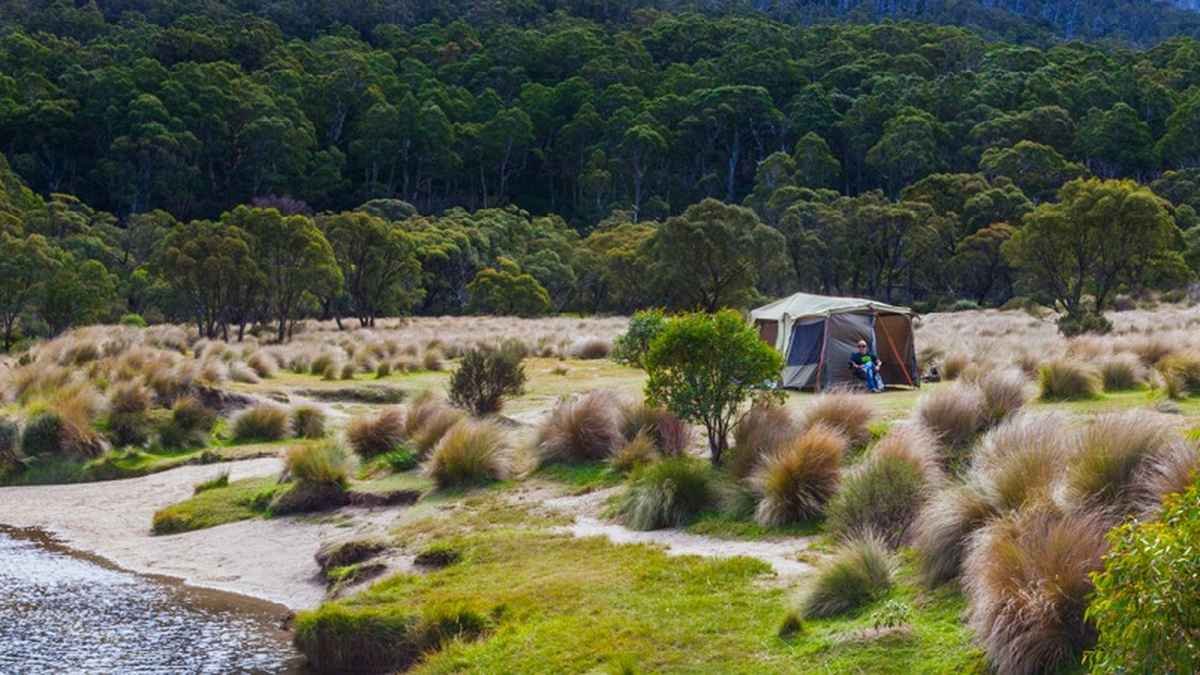
Best National Parks for Camping in NSW 2026
Disclosure: We may earn a small commission if you purchase through our links, at no extra cost to you.
New South Wales has over 870 national parks and reserves, and the best national parks camping NSW have to offer span everything from alpine rivers to dark-sky desert ranges to beaches where kangaroos graze at dawn. But NSW also has the most regimented park camping system in the country: most campgrounds require advance online booking, and you pay two separate fees — a camping fee per night plus a per-vehicle park entry fee. Get the booking wrong and you’ll be turned away from a full campground with nowhere to go.
This guide covers the parks genuinely worth planning a trip around, with real campground names, what each costs, and how the booking system works. For finding free camps between the parks, our free camping apps guide pairs well with this one.
Best National Parks Camping NSW: How Booking Works
Before the parks, the system — because it catches everyone out once:
- Book online in advance. Most NSW national park campgrounds must be pre-booked via the NSW National Parks website. Popular coastal parks book out in school holidays and long weekends — sometimes months ahead.
- Two fees, charged separately. You pay a camping fee (per site or per person per night, varies by campground) plus a park entry fee per vehicle per day. Budget for both.
- Some campgrounds are free. Several Kosciuszko campgrounds (Ngarigo, Yarrangobilly Village) charge no camping fee at all — just a $6 booking fee plus the park entry fee. These are among the best-value campsites in the state.
- Check alerts before you go. Fires, floods, and track closures change what’s open. The NPWS website carries current alerts per park — check the week before and the morning you leave.
- Bring everything. Most NSW park campgrounds are unpowered with basic facilities (toilets, BBQs, picnic tables). Drinking water isn’t guaranteed — the NPWS campground pages tell you exactly what to bring for each site.
1. Kosciuszko National Park — Alpine Rivers and Free Camping
Kosciuszko is NSW’s heavyweight: 6,900km² of alpine country, mainland Australia’s highest peaks, and a deep bench of campgrounds along some of the prettiest rivers in the state. It’s also where NSW’s free-camping secret lives.
Best campgrounds:
- Ngarigo campground (Thredbo-Perisher area) — 30 sites on the Thredbo River, peaceful setting, no camping fee (just the $6 booking fee plus park entry). Perfect for fishing, riding, and Alpine Way touring.
- Thredbo Diggings — 41 secluded sites under snow gums by the Thredbo River, near mountain biking and fishing.
- Island Bend — 70 sites near Perisher, a great base for walks, biking, and kayaking.
- Geehi Flats (Khancoban area) — riverside camping between Khancoban and Thredbo, good for hiking, mountain biking, and 4WD adventures in the southern park.
- Yarrangobilly Village — riverside sites for caravans and trailers, near the famous limestone caves and thermal pool.
Know before you go: weather is extreme and unpredictable — snow is possible any month above 1,500m. Mobile reception is limited. Maximum stays are typically 14 days per campground. The Snowy Valleys and Thredbo-Perisher areas are quite different trips; pick your side based on what you want to do.
2. Warrumbungle National Park — Dark Skies and Volcanic Peaks
The Warrumbungles are the eroded remnants of an ancient volcano — jagged spires and domes rising from the western plains — and Australia’s first officially recognised Dark Sky Park. The stargazing here is genuinely world-class: the Milky Way on a moonless night is bright enough to cast shadows.
Best campgrounds:
- Camp Wambelong — 35 sites on Wambelong Creek with spectacular views of Belougery Split Rock, and walking tracks (Belougery Split Rock circuit, Burbie Canyon, Mount Exmouth) starting right at camp. Remote feel, basic facilities — arrive well prepared.
- Camp Blackman — the main campground, and one of the very few NSW park campgrounds with powered sites.
- Free campgrounds: Burbie Camp (between Mount Exmouth and Belougery Split Rock) and Gunneemooroo (in the shadow of Mount Naman) offer free camping in the park — a rarity worth knowing about.
Know before you go: bring firewood (or check current firewood rules), bring all water, and book ahead — the dark-sky reputation means it fills on new-moon weekends. The Siding Spring Observatory nearby runs night tours worth booking.
3. Royal National Park — Sydney’s Backyard Wilderness
Forty minutes from Sydney and the world’s second-oldest national park, Royal NP is the easy-access option: coastal cliffs, the famous Figure Eight Pools, Wattamolla’s lagoon and beach, and rainforest gullies — all within day-trip distance of Australia’s biggest city.
Best campgrounds:
- Bonnie Vale — the pick of the park’s campgrounds, and one of the handful of NSW park campgrounds with powered sites plus hot showers. It books out fast in summer.
- North Era — a remote surf-beach campground accessible only by walking track (a genuine bushwalk-in camp near Sydney).
Know before you go: this is the most competitive booking in NSW — summer weekends vanish within minutes of release. If you’re flexible, midweek is a different world. No campfires in some areas; check current rules.
4. Murramarang National Park — Kangaroos on the Beach
The south coast park famous for eastern grey kangaroos grazing on the sand at Pebbly Beach and Depot Beach at dawn and dusk. It’s the wildlife encounter that makes the drive worthwhile — where else do you drink your morning coffee watching roos on a surf beach?
Best campgrounds: Pebbly Beach and Depot Beach campgrounds put you right in the wildlife zone. Facilities are basic (toilets, BBQs), the beaches are beautiful, and the birdlife is exceptional. Book well ahead for holidays — the kangaroo fame means it fills.
5. Beowa National Park — The Far South Coast
Down near the Victorian border, Beowa (the park formerly known as Ben Boyd) offers some of the most underrated coastal camping in NSW. Green Cape’s historic lighthouse, the Pinnacles’ red-rock formations, and long, empty beaches.
Best campgrounds: Saltwater Creek campground — a short walk to the beach with trails into the park. Quieter than the parks further north, which is exactly the appeal. Good for fishing, whale watching in season (September–November), and anyone who prefers their coast without crowds.
6. Myall Lakes National Park — Lakeside and Low-Key
One of the largest coastal lake systems in NSW, Myall Lakes is the classic family camping park: calm water for kayaking and swimming, lakeside campgrounds, and easy access from Newcastle and Sydney.
Best campgrounds: Korsmans Landing and Mungo Brush offer waterfront sites; Shelly Beach campground puts you on the ocean side. The lake sunsets are spectacular, the water is warm in summer, and it’s an ideal first national-park trip for families with kids.
7. Blue Mountains National Park — Cliffs and Eucalypt Forest
The Blue Mountains need no introduction, but the camping is often overlooked in favour of day trips. Euroka campground near Glenbrook is the standout — large, grassy, kangaroo-frequented, and an easy drive from Sydney, making it the best base for exploring the lower mountains.
Know before you go: the upper mountains campgrounds are smaller and fill fast. Winter nights are properly cold. And the Wentworth Falls and Katoomba lookouts at dawn, before the day-trippers arrive, are worth the early alarm.
NSW Camping Fees: What You’ll Actually Pay
NSW doesn’t have a single fee — it varies by campground, which confuses everyone. The structure:
- Camping fee: per site or per person per night, set per campground. Ranges from free (several Kosciuszko campgrounds) to ~$30+/site/night at premium coastal sites. Always check the specific campground page.
- Park entry fee: per vehicle per day, typically ~$8–$12 depending on the park. An annual NPWS pass (~$190 all-parks) pays for itself if you do more than a couple of weeks of park camping a year.
- Booking fee: a small per-booking fee (currently $6) applies even at free campgrounds.
The annual pass is the pro move for anyone doing a NSW parks tour — it removes the daily entry fee maths entirely. If you’re crossing into Victoria too, our Victoria national parks guide covers the Parkstay system and its very different booking quirks.
When to Visit: NSW Parks by Season
- Autumn (March–May): the sweet spot for most NSW parks. Mild days, cool nights, smaller crowds, and active wildlife. The Warrumbungles and outback parks are perfect; the alpine areas are crisp and golden before the snow.
- Winter (June–August): Kosciuszko’s alpine zone is snow country — spectacular, but many roads and campgrounds close. The coast and inland parks are at their best: clear skies, no heat, empty campgrounds. Winter is the secret season for NSW national park camping if you have a warm sleeping bag.
- Spring (September–November): wildflower season in the inland and western parks, waterfalls flowing in the ranges, and warming weather everywhere. The most beautiful season in many parks — and increasingly busy in the famous ones.
- Summer (December–February): coastal parks are glorious but crowded (book the day releases open). Inland and western parks can be brutally hot — 40°C+ days are normal west of the ranges. Alpine areas are perfect in summer: warm days, cool nights, wildflowers, and all tracks open.
Fire season awareness: NSW’s bushfire season typically runs October–March, and Total Fire Bans mean no campfires (and sometimes no stove use) in parks. Check the NSW Rural Fire Service ratings daily during your trip — conditions change fast, and park closures happen with little notice during severe fire weather. Always have an exit route planned in fire-prone areas.
NSW Parks Booking Strategy
NSW doesn’t have a single release-day system like Victoria — bookings generally open on a rolling basis and the competition varies wildly by park. How to win:
- Book the moment you know your dates. There’s no advantage to waiting — popular campgrounds (Kosciuszko’s alpine areas in summer, coastal parks in school holidays) fill progressively, not in a single drop.
- Understand the two-fee structure. NSW charges a camping fee per site per night plus a park entry fee per vehicle per day. Budget both — the entry fee surprises first-timers who only looked at the camping price.
- Midweek is a different world. Arrive Sunday–Thursday outside school holidays and you’ll often have prime campgrounds nearly to yourself. The weekend warriors create the scarcity; sidestep them.
- Have backup parks, not just backup dates. If Kosciuszko’s booked out, the Snowy Valleys and South Coast parks nearby offer excellent alternatives. Flexibility on where beats flexibility on when.
- Check for first-come areas. Some NSW campgrounds (or sections of them) remain first-come, first-served — the NPWS website marks these clearly. For spontaneous trips, they’re gold.
- Cancellations happen. Check back regularly in the weeks before your trip — plans change, and sites reopen. The early-morning check is a known tactic among seasoned NSW campers.
- Annual passes pay off fast. If you’re visiting multiple parks, the NSW Parks annual pass covers entry fees and typically pays for itself within a handful of visits.
Frequently Asked Questions
Do you need to book NSW national park campgrounds in advance?
Yes — most require advance online booking via the NSW National Parks website, and popular parks (Royal, Murramarang, coastal parks) book out in school holidays and long weekends. A few remote campgrounds allow more flexibility, but booking ahead is the safe default.
How much does it cost to camp in a NSW national park?
You pay two separate fees: a camping fee per night (varies by campground, from free to ~$30+/site) plus a per-vehicle park entry fee (~$8–$12/day). An annual NPWS pass covers entry for a year and suits regular park campers.
Which NSW national park campgrounds are free?
Several Kosciuszko campgrounds (Ngarigo, Yarrangobilly Village, Geehi Flats area) charge no camping fee — just a $6 booking fee plus park entry. Warrumbungle has free campgrounds at Burbie Camp and Gunneemooroo. Always confirm on the NPWS site as fee statuses change.
Can you have campfires in NSW national parks?
Only in provided fireplaces and only when no fire ban is in force. Many campgrounds have fire restrictions or bans during summer. Always check the NPWS alerts for your park and the RFS fire danger rating — total fire bans mean no open flames of any kind.
What is the best NSW national park for families?
Myall Lakes for easy lakeside camping with swimming and kayaking; Royal NP’s Bonnie Vale for powered sites and showers near Sydney; Kosciuszko’s riverside campgrounds for older kids who fish and ride. All need advance booking in holidays.
← Back to our complete guide: Best Roof Racks for 4WD Touring Australia 2026
One Comment