Free Camping Australia
Disclosure: We may earn a small commission if you purchase through our links, at no extra cost to you.
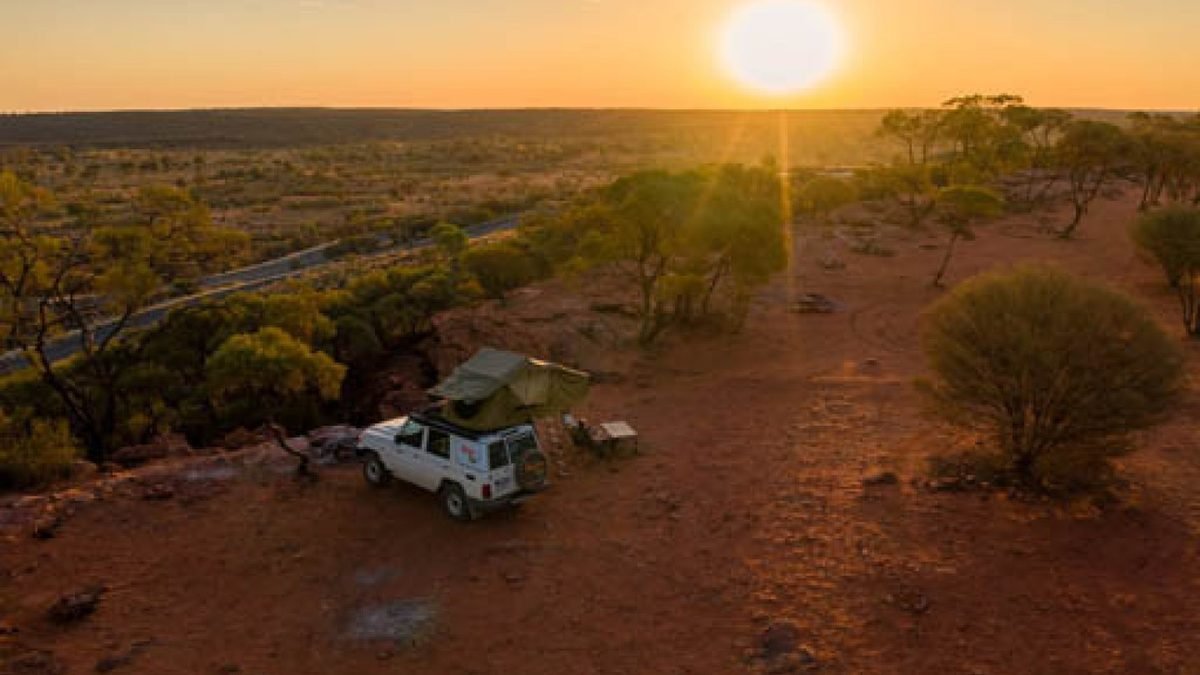
Free camping Australia apps make finding these sites simple. Australia has thousands of free and low-cost campsites — bush camps, rest areas, showgrounds, station stays, and national park campgrounds that cost less than a coffee. Finding them used to mean dog-eared guidebooks and word of mouth. Now it’s apps. But the best apps for free camping in Australia are only half the story: you also need to know where free camping is actually legal, how to read between the lines of reviews, and the etiquette that keeps these places open for everyone.
This guide covers the apps worth having, the rules that govern free camping across the states, and the fieldcraft for finding great sites consistently — the skills that turn a good road trip into a great one. If you’re planning a longer trip, pair this with our Big Lap checklist for the full preparation picture.
The Big Three Apps
1. WikiCamps Australia — The Essential One
WikiCamps is the app most Australian travellers end up with, and for good reason: over 65,000 listed sites including campgrounds, rest areas, dump points, water fills, showers, and points of interest. Every listing carries community reviews, photos, and facility details, and the offline mode lets you download maps and site info before heading beyond reception.
It costs a one-off $9.99 AUD (no subscription) on iOS and Android — genuinely the best ten dollars you’ll spend on a road trip. The killer feature isn’t the database size; it’s the recency of reviews. A free camp that was perfect in 2022 might have new council restrictions, a locked gate, or a washed-out access track in 2026. Recent reviews tell you what’s true now.
2. CamperMate — The Free Alternative
CamperMate covers similar ground — campgrounds, free camps, dump points — with user reviews and photos, plus useful extras like nearby fuel, supermarkets, and Wi-Fi spots. It’s free, which makes it the perfect companion app: run it alongside WikiCamps and cross-reference. Where both apps agree a site is good, it almost certainly is. Where they disagree, read the recent reviews carefully.
CamperMate also handles bookings for some paid accommodation and tour partners without leaving the app — handy when the free camp you wanted is full and you need a plan B fast.
3. CAMPS Australia Wide — The Verified Database
The app version of the legendary guidebook, CAMPS Australia Wide lists 15,000+ sites that are editorially verified rather than crowd-sourced. The database is smaller than WikiCamps, but every entry has been checked — valuable for first-time or remote travellers who can’t yet tell a solid free camp listing from an optimistic one. The app itself is free; the full printed book runs about $80 and remains the bible for many grey nomads.
Honourable Mentions
- Hipcamp: the Airbnb of camping — book private land campsites, farm stays, and station stays. Not free, but often $20–$40/night for sites with character you’d never find otherwise. Essential for regions where free camping is restricted.
- iOverlander: global overlanding app with a solid Australian user base. Particularly good for remote and 4WD-only sites that the mainstream apps miss.
- Park-specific booking apps: NSW National Parks, Parkstay Victoria, and WA’s ParkStay all have online booking — essential for national park campgrounds, which increasingly require pre-booking. Our state national park guides (NSW, Queensland, Victoria, WA) detail each system.
- Fuel and offline maps: PetrolSpy or Fuel Map for remote fuel prices, and download offline maps (Google Maps offline areas, or Hema/Memory-Map) before leaving coverage. Telstra has the best regional coverage by a wide margin — if you’re touring remotely on another carrier, consider a Telstra prepaid SIM.
Where Free Camping Is Actually Legal
This is the part most app guides skip, and it matters: “free camp” on an app doesn’t mean “legal camp”. The rules vary enormously:
- Rest areas: many highway rest areas allow overnight stays (usually 24 hours max), but some are day-use only. Read the signs — they’re legally binding, and fines are real.
- Roadside reserves: generally not legal for camping in most states, though enforcement varies. Don’t assume.
- Council land: some councils welcome free campers (it’s good for local business); others ban it outright and patrol. The app reviews usually mention enforcement — “ranger moved us on at 6am” is a red flag you should believe.
- National parks: camping is only permitted in designated campgrounds, almost always requires pre-booking and a fee (though often modest — $6–$15/person/night in many parks). Never bush-camp randomly in a national park.
- State forests: generally the most relaxed — dispersed camping is often permitted. Check the specific forest’s rules.
- Beaches: some beaches allow camping with a permit (Teewah Beach in Queensland requires a vehicle access permit and mandates a portable toilet); most don’t. Never assume.
- Private land: always get permission. Station stays (bookable via Hipcamp or direct) are the legal way to camp on pastoral land.
The golden rule: if there’s a sign, obey it; if there’s no sign, don’t assume permission. And when a review says “we got moved on”, believe it — rangers talk to each other, and apps update slower than enforcement.
How to Read Reviews Like a Local
App reviews are your best intelligence source if you know what to look for:
- Check the date. Anything older than 12 months is history, not information. Prioritise reviews from the last 3 months, especially for access tracks and council enforcement.
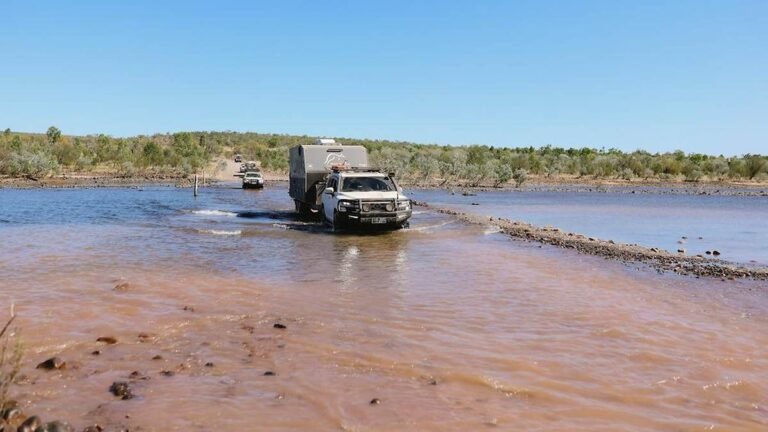
- Read the 2- and 3-star reviews. Five-star reviews say “beautiful spot!”; critical reviews say “track washed out after rain, 2WD got stuck at the creek crossing”. The useful information lives in the complaints.
- Look for your vehicle type. “Easy access” from a caravan tower means something different to a 4WD with a camper trailer. Find reviews from rigs like yours.
- Watch for pattern changes. A site with years of glowing reviews followed by recent complaints about rubbish, noise, or rangers is a site in decline — often on the verge of closure. Don’t contribute to the problem.
- Verify facilities claims. “Toilets” might mean a flushing block or a single long-drop. “Water” might mean potable or bore water. Photos in reviews are more reliable than facility icons.
- Cross-reference apps. If WikiCamps and CamperMate disagree on whether a site is open, check the most recent review date on each — the fresher one wins.
Free Camping Etiquette: Keep Sites Open
Free camps close because of bad behaviour. Every closure makes the apps slightly less useful and the trip slightly more expensive. The etiquette:
- Leave no trace. Take every scrap of rubbish with you — including the rubbish that was already there if you can. The camper who leaves a site cleaner than they found it is the reason it stays open.
- Toilets: use provided facilities; where there are none, bury waste 15cm deep at least 100m from water, tracks, and camp. Better yet, carry a portable toilet — some areas (Teewah Beach, many QLD beach camps) mandate them, and they’re just civilised.
- Grey water: don’t dump dishwater or shower runoff near the camp or in waterways. Strain food scraps, scatter water widely away from camp.
- Generators: the most complained-about free camp behaviour. Observe quiet hours (usually 8pm–8am), position the generator away from other campers, and consider whether you actually need it — solar is silent.
- Fires: use provided fire pits where available; never collect firewood in national parks; always check fire bans (the Fires Near Me app, or state RFS/CFA sites). A total fire ban means no fires, full stop — including campfires in pits.
- Stay limits: respect them (usually 24–72 hours). Free camps aren’t residential addresses.
- Noise and lights: outback quiet is the point. Keep music in your vehicle, dim the LED light show after dark, and remember sound carries for kilometres in the bush.
Finding Sites Without an App (Backup Skills)
Apps fail — flat battery, no reception, outdated data. The old skills still work:
- Visitor information centres: small-town VICs know every free camp, showground, and station stay in the district, including ones too new for the apps. Always worth a stop.
- Talk to locals: the servo attendant, the pub publican, the caravan park manager — they know where the good free camps are and which ones to avoid.
- Paper maps: Hema maps mark rest areas, camps, and fuel. They don’t need charging.
- Scout in daylight: never commit to an unknown free camp after dark. Arrive with enough light to assess the access track, the surface, and the neighbours.
- Have a plan B: the free camp might be full, closed, or awful. Know the nearest caravan park or showground before you need it. Our camp setup routine includes a site-assessment checklist for exactly this moment.
Planning a Free-Camping Route
The apps are tools; the skill is route planning. Here’s how experienced free campers string sites together:
- The 300km rule: plan driving days around 250–350km — far enough to make progress, short enough to arrive with daylight for setup and site selection. Free camps don’t take bookings; arriving at 4pm beats arriving at 7pm.
- Every third night near town: even dedicated free campers plan a town stop every 2–3 days — for water, dump points, rubbish, fuel, fresh food, and a proper shower. The apps mark all of these; build them into the route, not as afterthoughts.
- Have a Plan B for every night: the perfect free camp might be full, closed, or down an access track your rig can’t handle. Always identify a second option within 50km before you commit to the first.
- Read the last 10 reviews, not the rating: a 4.5-star site with no reviews in 6 months is a gamble; a 3.8-star site with glowing reviews from last week is gold. Recency beats average, every time.
- Check the access notes: “big rig friendly” means different things to different reviewers. Look for specifics — “25ft van got in fine” or “track too rough for 2WD after rain” — and match them to your setup honestly.
- Download offline before leaving coverage: WikiCamps, Hema, and Google Maps offline areas for the whole route. Screenshots of critical turns as backup. The number of travellers lost because “the app needs signal” is embarrassing.
- Seasonal awareness: free camps near popular coasts fill by mid-afternoon in school holidays; inland sites in summer can be brutally hot with no shade. Time your arrivals and your seasons.
Frequently Asked Questions
What is the best free camping app in Australia?
WikiCamps Australia ($9.99 one-off) is the most comprehensive, with 65,000+ sites and offline mode. Most experienced travellers also run CamperMate (free) alongside it for cross-referencing. CAMPS Australia Wide offers a smaller but editorially verified database.
Is free camping legal in Australia?
It depends entirely on where. Many rest areas, showgrounds, and state forests allow it; national parks require designated campgrounds (usually pre-booked); roadside camping is generally not legal; and council rules vary enormously. Always check signs and recent app reviews — “free camp” on an app doesn’t guarantee legality.
Do I need internet to use camping apps?
Not with offline mode. Download maps and site data in WikiCamps before leaving reception — this is essential for remote travel where you may have no signal for days. Also download offline Google Maps areas as backup.
How do I find dump points and water?
Both WikiCamps and CamperMate list dump points, potable water fills, and showers as searchable categories. Plan these stops like fuel stops on remote trips — know where the next one is before you need it.
What should I do if a free camp is full or closed?
Have a plan B before you arrive: the nearest showground, caravan park, or Hipcamp property. Never push on to the next unknown free camp after dark — a paid site for one night beats a bad decision in the dark.
Are free camping apps accurate?
Mostly, but verify recency — a site reviewed as perfect in 2022 may have new restrictions, locked gates, or washed-out access in 2026. Read the last 10 reviews, not the star rating, and always have a Plan B within 50km.
← Back to our complete guide: Best Roof Racks for 4WD Touring Australia 2026