Best Rooftop Tents Australia 2026
Disclosure: We may earn a small commission if you purchase through our links, at no extra cost to you.
A rooftop tent turns any 4WD, ute or SUV into a camper in minutes — and the best rooftop tents Australia has in 2026 span from sub-$1,000 soft shells to $6,000 aluminium hard shells. The appeal is obvious: sleep off the ground away from water, rocks and curious wildlife; setup in minutes; and your bedding stays in the tent between stops. But rooftop tents are also the most expensive way to sleep under canvas, and they come with constraints — roof load ratings, rack costs, fuel use and garage clearance — that too many buyers discover after purchase.
This guide compares eight rooftop tents you can buy in Australia now, with prices verified in October 2026, plus the honest math on what the full setup really costs. If you’re weighing roof vs ground, see touring tents; for ute-specific builds, our ute camping guide covers trays, canopies and racks.
Soft shell vs hard shell: the core choice
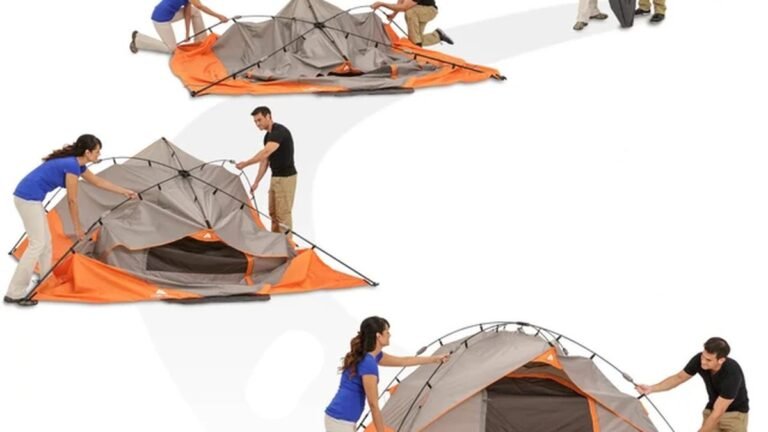
Soft-shell rooftop tents fold out from a PVC travel cover — bigger sleeping area for the money, lighter on the wallet, but slower to set up (5–10 minutes including the cover, ladder and annex poles) and bulkier packed. The cover is also the weak point: UV and flapping wear it out, and packing it neatly in wind is a learned skill.
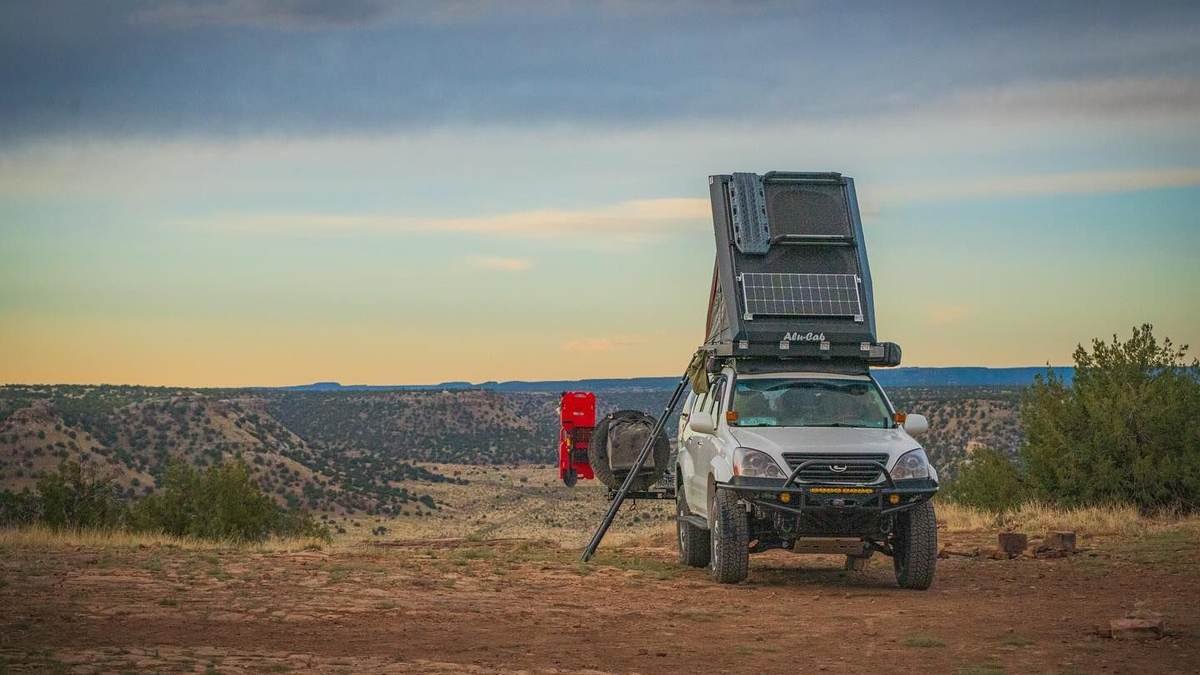
Hard-shell tents pop up via gas struts — 60 seconds to deploy, sleeker packed profile, better weather sealing, but 2–3x the price and heavier. For tourers who move daily, the speed is transformative. For weekenders, it’s a luxury.
Before you buy: roof loads and real costs
Dynamic roof load is the weight your roof can carry while driving — typically 50–100kg for most vehicles, and it’s the number that matters. A 60kg tent plus 15kg of racks on a 75kg-rated roof is fine; the same tent on a 50kg-rated roof is not. Static load (parked, people inside) is always far higher and rarely the constraint. Check your vehicle’s manual, not the tent marketing.
The full setup cost: tent + roof rack system ($400–$1,200 fitted) + fitting accessories. A “$999” rooftop tent is really a $1,650+ project once racks are fitted. Budget for it upfront.
Also consider: fuel use rises noticeably (expect 1–2L/100km extra), garage clearance (measure — a hard shell adds ~180mm), and wind noise on the highway, which varies hugely between models.
Best rooftop tents Australia: top 8 for 2026
1. Adventure Kings Tourer — best budget rooftop tent
At $999, the Kings Tourer is Australia’s best-selling entry rooftop tent and proof the category doesn’t require four figures-plus. Soft-shell design, 2.5 x 1.3m sleeping area, 70mm high-density foam mattress, canvas doors with mesh on all four sides, 2m alloy ladder and heavy-duty PVC transit bag. Setup runs about three minutes once you’ve done it a few times.
The compromises: 1-year warranty (vs 2–3 elsewhere), heavier fabrics, and a mattress most owners eventually upgrade. But for weekend camping and the odd longer trip, it does the core job — dry, elevated sleep — at a third of the premium price. Just remember the rack math: this is really a ~$1,650 setup.
2. Darche Panorama 1400 — best value soft shell
The Panorama 1400 is the sweet spot of the Darche soft-shell range: panoramic windows, proper ventilation, and Darche’s 3-year warranty backing. At $1,599 at Snowys, it’s $600 more than the Kings — and you feel it in fabric quality, zips, mattress and after-sales support.
3.36m² of sleeping area sleeps two adults genuinely comfortably. The 1400/1600 sizing lets you match the tent to your vehicle’s roof. If you’re going soft-shell and plan to keep the tent five-plus years, this is where the smart money goes.
3. 23Zero Dakota 1400 — best alternative soft shell
23Zero’s Dakota 1400 trades blows with the Panorama: $1,530 at Snowys, 3.06m² sleeping area, 125cm internal head height, 65mm mattress, and 23Zero’s LST light-suppression fabric that keeps the tent darker and cooler. Available in 1400 through 2200 widths.
Choosing between the Dakota and Panorama comes down to fabric preference (LST vs standard canvas) and current pricing — they’re that close. The Dakota Super Lite variant (41kg) is worth a look if your vehicle’s dynamic roof rating is tight.
4. San Hima Kalbarri Lite — best slim hard shell
The Kalbarri Lite’s claim to fame is its 116mm packed profile — the slimmest in its class — which means it fits under most carport and garage clearances without removal. At around $1,800, it’s the cheapest credible hard shell going. 207 x 117cm sleeping area, 5000mm waterproofing, UV50+ protection and 60.5kg weight.
For daily drivers that also tour, the low profile cuts wind noise and fuel penalty versus taller hard shells. The ceiling window is a nice stargazing touch. Warranty and support are shorter than the big brands — acceptable at this price, but go in with eyes open.
5. Darche Hi-View 1400 — best mid-range hard shell
The Hi-View 1400 is the hard shell most Australian tourers actually buy: $1,999, 56.5kg (light for a hard shell, which matters for roof ratings), gas-strut pop-up in about a minute, and Darche’s 3-year warranty. The high-view windows give it its name — excellent ventilation and outlook.
This is the “buy it once” mid-range pick: fast enough for daily moves, tough enough for the outback, and light enough for mid-size SUVs that can’t take an 80kg tent. If your budget stretches past the soft shells, start here.
6. 23Zero Walkabout 72 2.0 — best premium soft shell
The Walkabout 72 2.0 is 23Zero’s flagship soft shell at around $2,695: LST fabric throughout, huge internal volume, premium mattress and the kind of zips and stitching that survive a decade of touring. It’s the soft shell for people who’ve owned a cheap one and know exactly what they’d pay to fix.
Yes, it’s dear for a soft shell. But against a $4,000+ hard shell it offers comparable sleeping comfort with a bigger floor plan. Tourers doing months on the road — not weekends — are who this is for.
7. Darche Basecamp 2200 — best rooftop tent for families
Most rooftop tents sleep two; the Basecamp 2200 at $3,999 genuinely sleeps three to four with its 2200mm length. Two adults and two kids fit without elbows in faces — the only rooftop tent here I’d recommend to a family as the primary shelter.
The 87kg weight demands a serious vehicle (200 Series LandCruiser class) with strong roof capacity and proper racks — factor $1,000+ for the rack system. This is a big, deliberate setup, not an impulse buy. But for a family tourer it replaces a ground tent entirely, with all the speed and elevation advantages.
8. Darche Lightrize 1400 — best money-no-object rooftop tent
At $5,999 at BCF, the Lightrize 1400 is the benchmark luxury hard shell: 80kg of aluminium and premium materials, 180mm packed profile, and the sort of fit and finish that justifies the price over a decade of use. The 1200 version runs $4,999 if you want the same quality in a smaller footprint.
This is for long-distance tourers building a rig they won’t replace for years. Everyone else should buy the Hi-View and spend the $4,000 difference on fuel and caravan park fees.
Rooftop tent ownership: the fine print
Annexes add enclosed living space under the tent’s overhang — worth it if you base-camp for days, unnecessary weight if you move daily. Ladders are included with all tents here; check the max vehicle height rating if your rig is lifted. Maintenance is simple: keep zips clean (red dust is the enemy), check mounting bolts every few thousand kilometres of corrugations, and never pack the tent away wet.
Insurance: tell your insurer about a $2,000–$6,000 roof accessory — many policies need it listed. And resale is strong: quality rooftop tents hold value well on the secondhand market, which softens the upfront sting.
Hard shell vs soft shell: the deep dive
Setup speed: hard shells open in 60 seconds (gas struts do the work); soft shells take 5–10 minutes (remove cover, unfold, fit ladder, tension). If you move daily, that difference compounds fast — over a month-long trip, it’s hours of your life.
Packed profile: hard shells pack to 130–180mm tall and look like a roof pod; soft shells pack bulkier with a fabric cover that flaps and wears. Hard shells are quieter on the highway and use slightly less fuel.
Sleeping space: soft shells win — the fold-out design roughly doubles the floor area, giving more room per dollar. Hard shells are constrained by their shell dimensions.
Durability: hard shells protect the tent in transit (aluminium vs road grime and branches); soft-shell covers wear out and need replacing. But hard-shell struts and seals are expensive if they fail out of warranty.
Price: $999–$2,700 for soft shells here; $1,800–$5,999 for hard shells. For full specifications on a premium hard-shell option, see 23Zero’s Saber Pro Z 1400 — it shows what the top end offers.
Buying a secondhand rooftop tent
Rooftop tents are great secondhand — owners upgrade, and the used market is strong. Check: mattress (no mould, no collapsed spots — replacements are $200+), zips and mesh (all windows and doors operate), cover (soft shells — no tears, zips work), struts (hard shells — open smoothly, hold open), mounting hardware (all bolts and brackets present), and ladder (extends and locks). Open and close it fully before paying. Expect 50–70% of new price for good condition — they hold value well, so “bargains” are rare; overpriced used tents are common.
Rooftop tent maintenance
A rooftop tent lives outside in all weather — it needs more care than a ground tent. Monthly: check mounting bolts for tightness (vibration loosens them — a loose RTT is terrifying and dangerous). After dusty trips: brush zips clean; red dust destroys them faster than any other component. After rain: open the tent at home and let it dry fully before closing — packed-wet RTTs grow mould just like ground tents. Annually: check struts (hard shells), inspect the cover (soft shells) for UV damage, lubricate zips, and check the ladder’s locking mechanisms. Five minutes of bolt-checking before a big trip is the habit that matters most.
Rooftop tents and kids
Kids love rooftop tents — it is a cubby house on the car. The practicalities: the ladder is the main concern. Young kids (under 6) need supervision on ladders, especially at night; many families put kids in the RTT with a parent and the other parent in a ground tent or swag. Older kids manage fine — the ladders are stable and the tents feel secure. Set a rule: no jumping in the tent (it stresses the base), shoes off at the ladder, and the tent gets closed properly every time — a half-closed RTT on the highway is a disaster. For families, the 2200mm-wide models (like the Darche Basecamp 2200 at $3,999) that sleep 3–4 are the ones that work; standard 2-person RTTs mean someone is on the ground.
Frequently asked questions
Can I put a rooftop tent on any car?
No — you need roof racks rated for the tent’s weight plus a vehicle dynamic roof load rating that covers tent + racks + bedding. Most 4WDs, utes and larger SUVs qualify; small hatchbacks generally don’t. Check your owner’s manual.
How much does a rooftop tent setup really cost?
Tent price plus $400–$1,200 for a fitted roof rack system. A $999 budget tent is really ~$1,650 all-in; a $1,999 mid-range tent is ~$2,950 fitted. Always budget the racks before you buy the tent.
Do rooftop tents affect fuel consumption?
Yes — expect roughly 1–2L/100km extra, more for tall soft shells, less for slim hard shells. Over a 10,000km trip that’s 100–200 litres of fuel to factor into the real cost.
Are rooftop tents good in wind?
Hard shells handle wind well; soft shells need proper guying in strong winds. All rooftop tents catch more wind than a low ground tent — in exposed coastal sites, a ground tent is the calmer choice.
Can you leave bedding in a rooftop tent?
Yes — that’s one of the big advantages. Sleeping bags, pillows and even the mattress stay in the tent when packed (check your model’s clearance). It cuts setup to literally minutes.
← Back to our complete guide: Best Camping Tents Australia 2026