
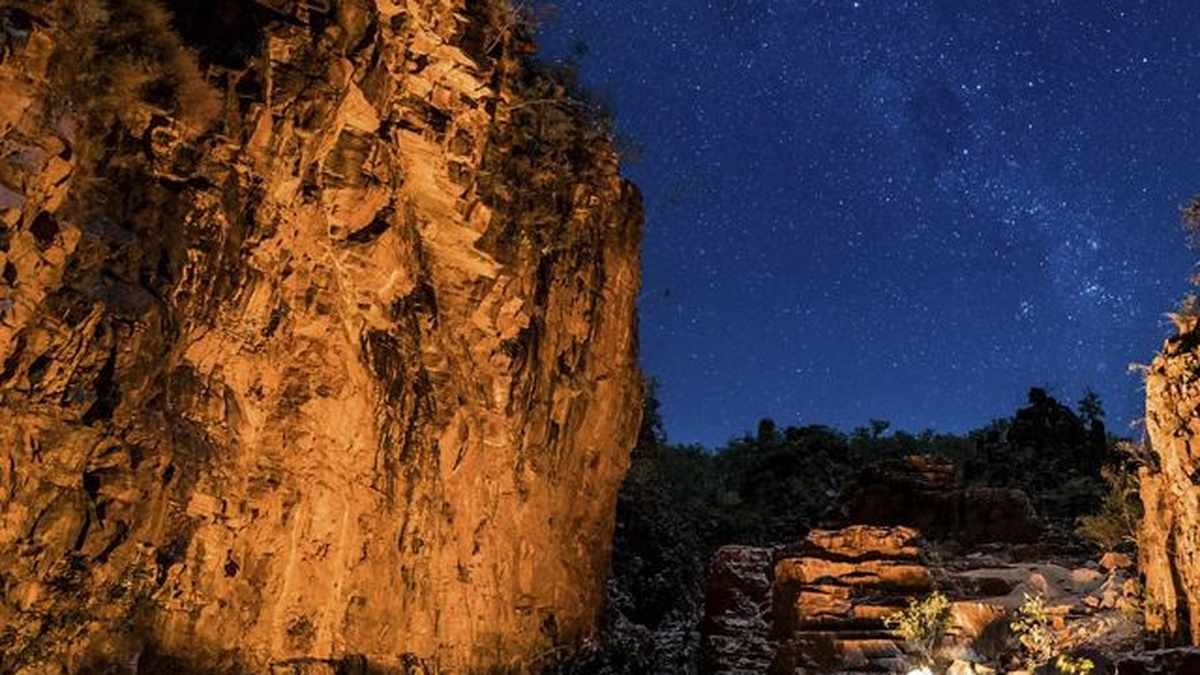
Best National Parks Camping in Western Australia
Disclosure: We may earn a small commission if you purchase through our links, at no extra cost to you.
Western Australia is one-third of the continent, and its national parks are on a different scale to everything else: gorges you descend into like the earth’s basement, a fringing reef you can snorkel straight off the beach, and beehive ranges that look designed for a film set. The best national parks camping Western Australia have to offer reward the effort of getting there enormously — but WA punishes poor planning harder than any other state. Distances are vast, the seasonal windows are narrow, and the best campgrounds book out at the 180-day release.
This guide covers the parks worth the pilgrimage, with real campgrounds, the booking system, and the seasonal logic that should drive your itinerary. If the Kimberley is calling, our best touring routes guide covers the Gibb River Road in detail.
How WA Park Camping Booking Works
- Book through DBCA ParkStay (the WA Parks and Wildlife Service booking system). Most popular campgrounds require pre-booking.
- 180-day booking window. Sites can be booked up to 180 days ahead, and for Karijini and Ningaloo in winter peak season, the good sites go fast. Set a reminder for your dates.
- Per-person fees. WA charges per person rather than per site at many campgrounds — typically around $15/adult/night and $5/child. A couple pays ~$30/night; a family of four ~$40.
- No booking fee, but cancellation terms apply — stricter in peak periods. Read the terms for your dates.
- Park entry fees are separate — per vehicle, payable on booking, on arrival, or via an annual park pass.
- Dogs are not permitted in WA national park campgrounds. No exceptions, and rangers enforce it.
- Seasonality is everything. The north (Kimberley, Pilbara) is a April–October destination — summer is dangerously hot and many parks close. The south-west is year-round with a winter-wet, summer-dry pattern.
1. Karijini National Park — The Gorge Cathedral
Karijini, 1,400km north of Perth in the Hamersley Range, protects some of the most spectacular gorge country on earth: four major gorge systems (Dales, Weano, Hancock, Joffre) cut through 2.5-billion-year-old banded iron formation, with permanent pools, waterfalls, and fern-fringed corridors that feel like descending into the planet’s basement. Swimming at Fern Pool or Fortescue Falls after a hot day’s walking is a core Australian experience.
Camping:
- Dales Campground — the main DBCA campground: ~140–150 sites near Dales Gorge, Fortescue Falls, and Fern Pool. Pit toilets only, no showers (showers available for a small fee at the Karijini Visitor Centre, 1km away), no campfires, generator hours 8am–8pm. Sites ~$15/adult/night. Book at the 180-day release for winter visits — it fills.
- Karijini Eco Retreat — the private alternative near Joffre Gorge: unpowered sites plus safari-style glamping tents, flushing toilets, hot showers, a camp kitchen, and an on-site restaurant. More comfort, higher price, same extraordinary setting.
- Overflow campground — open April–October only, hard-surface area with no marked sites, 1–2 night maximum. The safety valve when Dales is full.
Know before you go: visit April–October; Pilbara summers are extremely hot and dangerous. Carry far more water than you think (our water storage guide covers outback quantities). The gorge walks range from easy (Dales) to serious canyoning (Hancock) — know your limits, as rescues here are major operations.
2. Cape Range National Park & Ningaloo — Reef From the Beach
Ningaloo is the world’s largest fringing reef and one of the few places on earth where whale sharks aggregate predictably. The magic of Cape Range is the combination: camp in the national park, walk off the beach, and snorkel straight onto coral gardens with turtles, rays, and (in season) whale sharks.
Camping: Osprey Bay, Turquoise Bay, and Oyster Stacks campgrounds put you within swimming distance of world-class snorkelling. Sites ~$15/adult/night. The park’s gorges (Yardie Creek, Charles Knife Canyon) are excellent walking country when you need a break from the water.
Know before you go: whale shark season runs March–July — and Ningaloo camping books out months in advance for it. Manta rays are year-round. This is the most competitive WA park booking outside Karijini; the 180-day window matters. Bring shade — coastal sites are exposed and the sun is fierce.
3. Purnululu National Park — The Bungle Bungles
The Bungle Bungle Range’s beehive domes — orange and grey banded towers rising from the Kimberley savannah — are one of Australia’s most surreal landscapes. Cathedral Gorge’s acoustics, Echidna Chasm’s narrow slot, and the sunset drive through the range are unforgettable.
Camping: two DBCA campgrounds — Kurrajong (near the northern walks) and Walardi (near the southern walks including Cathedral Gorge). Basic facilities, generator restrictions, and a genuine wilderness feel.
Know before you go: Purnululu closes for the wet season (roughly November–April) — check park alerts before planning. Access is via a 4WD-only track off the Great Northern Highway; the corrugations and creek crossings demand proper preparation. Most visitors combine it with the Gibb River Road or the Tanami. Fuel and supplies: the nearest services are a long way — plan like an expedition.
4. Esperance & Cape Le Grand — The Whitest Sand
Cape Le Grand National Park near Esperance is famous for two things: Lucky Bay’s sand (regularly rated among the whitest in Australia) and its famously relaxed kangaroos on the beach. The coastal granite scenery — Frenchman Peak, Hellfire Bay, Thistle Cove — is spectacular.
Camping: Lucky Bay and Le Grand Beach campgrounds. They book out in summer — this is one of WA’s most popular coastal parks and the secret is well and truly out. Shoulder seasons (October–November, March–April) offer the same beauty with a fraction of the competition.
Know before you go: the Southern Ocean is beautiful and cold — swimming is bracing. The Great Ocean Drive from Esperance links the bays and is one of Australia’s great coastal drives.
5. Leeuwin-Naturaliste National Park — Caves, Forest & Surf
The south-west’s limestone coast: towering karri forests, the famous cave systems (Jewel Cave, Lake Cave, Mammoth Cave — all tourable), and surf beaches. It’s the green, cool counterpoint to the red north.
Camping: Contos campground (near Boranup’s karri forest) and Boranup campground are the standouts — big forest sites, basic facilities, and that deep-forest quiet. The Cape to Cape track runs through the park for hikers.
Know before you go: winter (June–August) is wet — proper wet, the kind that soaks through cheap tents. Summer is glorious. The Margaret River region’s food and wine are the civilised bookends to a bush camp.
6. Stirling Range National Park — Wildflowers and Bluff Knoll
The Stirlings are Western Australia’s only true mountain range — Bluff Knoll (1,099m) is the highest peak in the south-west, and the spring wildflower display (September–November) is among the best in the state, with mountain bells found nowhere else on earth.
Camping: Moingup Springs campground at the base of Bluff Knoll — the launch point for the summit walk (a proper half-day climb, not a stroll). Spring is the season; summer is hot and the flies are enthusiastic.
7. Nambung National Park — The Pinnacles
The Pinnacles Desert’s thousands of limestone spires are one of WA’s most photographed landscapes — best at dawn or dusk when the low light turns them gold. It’s an easy day trip from Perth, but staying overnight transforms the experience.
Camping: while the park itself is primarily a day-visit destination, nearby options include Hangover Bay and the coastal parks around Cervantes and Jurien Bay. Combine the Pinnacles with the Turquoise Coast for a superb long-weekend loop from Perth.
The Distance Reality Check
WA distances break itineraries designed for the east coast. Perth to Karijini is ~1,400km (two solid driving days). Perth to Purnululu is ~3,000km. Karijini to Broome is ~850km. Plan fuel stops like a military operation — roadhouses are far apart, fuel is expensive, and running dry between Newman and Port Hedland is a genuine emergency. Our outback breakdown guide covers what to do when the plan fails.
The winning strategy for a first WA trip: pick one region (Pilbara/Karijini, Ningaloo/Cape Range, Kimberley/Purnululu, or the South-West) and do it properly, rather than attempting a highlights reel that spends 80% of the trip driving. WA rewards depth, not breadth.
Planning a WA Parks Road Trip
WA’s parks don’t do “quick visits” — the distances demand proper trip planning. How to structure it:
- The South-West loop (7–10 days from Perth): Perth → Margaret River/Leeuwin-Naturaliste (caves, forest, surf) → Stirling Range (Bluff Knoll, wildflowers in spring) → Esperance/Cape Le Grand (Lucky Bay) → back via the inland route. All sealed, all 2WD-friendly, and arguably Australia’s best one-week parks loop.
- The Pilbara expedition (10–14 days): Perth → Karijini (4–5 days minimum — the gorges deserve it) → Millstream-Chichester → Ningaloo/Cape Range (snorkelling, whale sharks in season) → back down the coast. This is the trip that converts people to WA for life.
- The Kimberley (3–4 weeks): the big one — Purnululu, the Gibb River Road, and El Questro, covered in detail in our touring routes guide. Fly-or-drive to Kununurra or Broome and go deep rather than rushing.
- Fuel strategy: for the Pilbara and Kimberley, plan fuel stops like an expedition — top up at every roadhouse, carry a 20L reserve minimum, and know the distances between stops before you leave. Outback fuel prices are 30–50% above city prices; budget accordingly.
- Booking windows: set calendar reminders for the 180-day ParkStay release for Karijini and Ningaloo. The difference between booking at release and booking a month out is the difference between Dales Campground and the overflow area.
- One region per trip: the classic WA mistake is trying to do south-west + Karijini + Kimberley in two weeks. You’ll spend 80% of the trip driving. Pick one region and do it properly — WA rewards depth.
WA Parks Passes and Fees Explained
WA’s fee structure has three components — understanding them saves money and confusion:
- Camping fees: charged per person per night at DBCA campgrounds — typically around $15/adult and $5/child. A couple pays ~$30/night; a family of four ~$40. This is the fee you pay when booking the campsite on ParkStay.
- Park entry fees: charged per vehicle, separate from camping. Payable on booking, on arrival, or covered by an annual pass. If you’re visiting multiple parks on a trip, the pass maths is worth doing.
- Annual park passes: WA offers annual passes covering day entry to parks across the state. On a two-week-plus trip hitting several parks, a pass usually beats paying per-visit entry. Check the current pass options on the DBCA site when planning — the tiers change occasionally.
- Booking fees: WA doesn’t charge a separate booking fee for ParkStay reservations (unlike some states) — but cancellation terms apply, stricter in peak periods. Read them before booking.
- Private campgrounds in/near parks: places like Karijini Eco Retreat set their own prices — higher than DBCA campgrounds, but with better facilities (hot showers, restaurant, powered sites). Worth it for a comfort break mid-expedition.
Budget rule of thumb: for a couple, allow ~$35–$45/night all-in for DBCA park camping (camping fees + entry amortised). It’s among the best-value camping in Australia — a beachfront site at Turquoise Bay for $30 is absurd value by any standard.
Frequently Asked Questions
When is the best time to visit Karijini?
April to October — the dry season. Pilbara summers (November–March) are extremely hot and dangerous for gorge walking. Winter (June–August) offers perfect walking weather but the most competition for campsites; book at the 180-day release.
How far ahead should I book WA national park campsites?
As early as the 180-day window allows for Karijini and Ningaloo in peak season. Less popular parks and shoulder seasons are far more relaxed, but the famous sites genuinely sell out.
Can I take my dog to WA national parks?
No — dogs are not permitted in WA national park campgrounds, and rangers enforce it. Plan boarding or pet-sitting before your trip.
Is Purnululu accessible by 2WD?
No — the access track into Purnululu is 4WD-only, with corrugations and creek crossings. The park also closes for the wet season (roughly November–April). Check park alerts before travelling.
What does WA national park camping cost?
Typically around $15/adult/night and $5/child at DBCA campgrounds, plus a separate per-vehicle park entry fee. A couple pays roughly $30/night before entry fees — excellent value for the locations.
← Back to our complete guide: Best Roof Racks for 4WD Touring Australia 2026
One Comment