Best Camping Kettles Australia 2026 (Top Picks)
Disclosure: We may earn a small commission if you purchase through our links, at no extra cost to you.
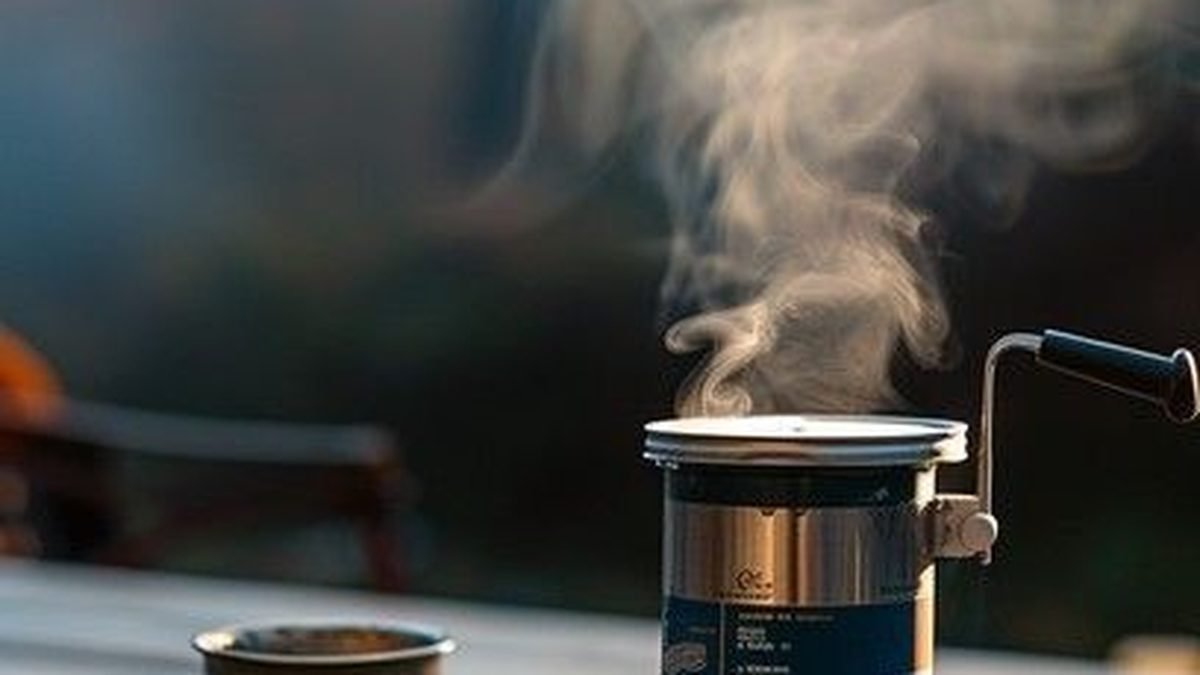
Every seasoned camper has a camping kettle story — usually involving a desperate hunt for a morning brew with a kettle that takes twenty minutes to boil or melts its handle over the fire. A good kettle is one of the cheapest upgrades you can make to your camp kitchen, and unlike a lot of gear, the differences between a great one and a dud show up on the very first morning. This guide covers the best camping kettles you can buy in Australia in 2026, what they’re made of, and how to pick the right one for your style of camping.
We’ve focused on kettles you can actually buy from Australian retailers — BCF, Bunnings, Snowys, Anaconda and local hiking stores — with honest notes on where each one shines. Pair your kettle with a jaffle iron and you’ve got the core of a camp kitchen that costs less than a single restaurant breakfast for the family. For the full setup, our camp kitchen checklist has the rest.
What Makes a Good Camping Kettle?
Four things separate the good from the annoying:
- Material. Stainless steel is the workhorse — tough, campfire-safe, easy to clean, and it doesn’t impart flavours. Hard-anodised aluminium boils faster and weighs less, making it the hiker’s choice, but it needs more care over fierce fires. Enamel looks gorgeous and is cheap, but chips if you look at it sideways. Silicone collapsible kettles (like Sea to Summit’s) pack tiny but are strictly for stoves, not open flames.
- Capacity. 1–1.2 litres suits couples (two big mugs per boil). Families want 1.8–2.5 litres so one boil covers everyone’s brews. Bigger isn’t always better — a half-full 2.5L kettle wastes fuel and time.
- Pour control. A proper spout that doesn’t dribble boiling water down your hand matters more than you’d think. This is where cheap kettles usually fail.
- Packability. Can the stove, or at least a gas canister, nest inside? A kettle that swallows other gear earns its boot space twice over.
Stove-Top vs Campfire: Pick Your Battlefield
This is the decision most buyers get backwards. If you mainly cook on a gas stove, almost any kettle works — including lightweight aluminium and collapsible silicone models. If you want to hang it over a campfire or sit it in the coals, you need stainless steel or heavy-gauge aluminium, full stop. Silicone melts, thin aluminium warps, and plastic handles… well.
Our advice for most Australian car campers: buy for the campfire even if you mostly use a stove. A stainless kettle that handles both costs barely more than a stove-only model and never limits your options. Hikers counting grams are the exception — there, a hard-anodised aluminium kettle like the Primus LiTech is worth the trade-off.
The Best Camping Kettles in Australia for 2026
Sea to Summit Frontier Ultralight Collapsible Kettle 1.1L — Best for Hikers
Sea to Summit is Australian-designed, and the Frontier Ultralight kettle shows why the brand dominates local hiking shelves. The 1.1-litre body collapses to just 4.3 cm tall — it practically disappears into a pack — while the hard-anodised aluminium base transfers heat fast on a stove. At 201 grams it’s genuinely ultralight territory. The wide rim means it doubles as a small cookpot, which is a neat trick on solo trips.
The catch: no open flames, ever — the food-grade silicone walls won’t survive a campfire. This is a stove-only kettle, full stop. It’s stocked at Bunnings and most hiking retailers across Australia; check current pricing in-store as it moves with promotions. For multi-day walkers, also see our guide to keeping devices charged on hikes — the same weight-conscious thinking applies.
Primus LiTech Trek Kettle 1L — Best Lightweight Metal Kettle
The Primus LiTech Trek Kettle is the hiker’s metal alternative: a 1-litre hard-anodised aluminium kettle at just 272 grams, with a lid that doubles as a small frypan. The hard-anodised coating conducts heat efficiently and cleans up easier than bare aluminium, and a 230g gas cartridge nests inside for packing. Australian Geographic’s adventure team has tested this one locally and rated it highly for campfire-adjacent use.
Expect to pay in the roughly $60–90 range at Australian hiking stores (pricing varies by importer and sales). It’s tougher than the collapsible options and handles a careful campfire, though stainless still wins for regular fire use.
Spinifex / BCF Stainless Kettles — Best Budget Campfire Kettle
For car campers who just want something indestructible, BCF’s house-brand stainless kettles are hard to argue with. They’re cheap (typically in the $25–40 range depending on size and sales), they go straight into campfire coals without complaint, and if one gets knocked off a rock and dented, you’re not crying over it. The pour control won’t win awards and they’re heavier than the hiking options, but for the money they’re the sensible workhorse pick. Check the current range in BCF’s camp cooking aisle.
GSI Outdoors Enamel Kettles — Best for Style
If your camp kitchen has an aesthetic, the speckled enamel GSI kettles (the classic green or blue) are the ones. The 10-cup (2.3L) version serves the whole campsite and looks perfect on a campfire grate or cabin stove. Enamel needs respect — it’s steel underneath, so it handles heat fine, but the coating chips if dropped on rocks. Treat it as the pretty-but-careful option, and it’ll reward you.
Matching the Kettle to Your Trip Style
Weekend car camping with the family: Go stainless, go big. A 2–2.5 litre stainless kettle handles everyone’s morning brews in one or two boils and survives campfire duty without a second thought. Weight is irrelevant when the car is ten metres away, so prioritise capacity and toughness over grams. This is where the budget BCF-style stainless kettles genuinely shine — cheap, indestructible, replaceable.
Couples’ touring: A 1–1.5 litre stainless or hard-anodised kettle is the sweet spot. Small enough to pack neatly, big enough for two proper mugs plus a bit extra for washing up. If you’re doing a mix of campfire and stove cooking, stainless wins; if it’s stoves all the way, hard-anodised aluminium saves weight.
Hiking and bikepacking: Every gram counts, so this is Primus LiTech or Sea to Summit Frontier territory. The collapsible Sea to Summit packs smallest; the Primus is tougher and handles rougher treatment. Either way, you’re trading campfire ability for packability — know that going in, and plan your brews around the stove.
Base camp / long stays: Consider two kettles — a big stainless workhorse for the fire and a small fast one for the stove. It sounds extravagant until you’ve waited twenty minutes for a 2.5L kettle to boil on a dying fire while everyone stands around holding empty mugs.
Kettle Alternatives Worth Knowing About
The billy can: The true Aussie original. A billy boils water, cooks stew, and makes tea — it’s the multi-tool of camp cookware. A kettle pours better and boils faster thanks to its shape, but if you’re packing ultra-minimal, a billy does the job. Many campers carry both: billy for cooking, kettle for brews.
Integrated stove systems (Jetboil and friends): These boil half a litre in about ninety seconds and are unbeatable for hikers who just need hot water fast. The catch is they’re a closed system — great at boiling, hopeless at anything else, and pricey for what they are. BCF stocks Jetboil systems from around $180 on club pricing up to $330 depending on the model. Think of them as a specialist tool, not a kettle replacement for car camping.
Electric kettles at powered sites: If you’re on a powered site, bring the home kettle and be done with it. There’s no prize for boiling water the hard way when there’s a power point six metres away. Just check the site’s power limits — a 2400W kettle plus a toaster can trip a 10A site supply.
Common Kettle Mistakes
- Buying too small. A 0.9L hiking kettle for a family of four means four separate boils every morning. Match capacity to the crew.
- Ignoring the handle. Folding wire handles are fine; plastic handles near campfires are a melting disaster waiting to happen. Check handle material before you buy.
- Boiling it dry. Walked away and came back to a glowing red base? You’ve just warped it. Set a timer on your phone if you’re the forgetful type.
- Storing it wet. Even stainless can develop spots and smells if packed damp. Dry it properly before it goes in the gear box.
- Using a stove-only kettle on a fire “just this once”. Silicone doesn’t do second chances.
How to Look After Your Kettle
Stainless and aluminium kettles are low-maintenance, but a few habits keep them sweet. Empty it after each trip — water left sitting grows things you don’t want to drink. If soot builds up from campfires (it will), a paste of bicarb soda and water takes it off without scratching. Never boil a kettle dry; it warps bases and ruins non-stick coatings fast. And descale occasionally if you’re in hard-water country — a 50/50 white vinegar and water boil, left to sit for an hour, dissolves mineral build-up.
Camping Kettle Safety: The Bit People Skip
Boiling water is the most dangerous thing in most camp kitchens. Always place the kettle on stable, level ground or a solid stove — never balanced on rocks. Point the spout away from where people walk, keep kids upwind and at distance when pouring, and let the whistle (or the roar) tell you it’s done rather than lifting the lid to check. A kettle of boiling water tipped over a tent floor has ruined more trips than rain ever has.
Descaling and Deep Cleaning
Once or twice a year — or whenever you notice white crust building up inside — give the kettle a proper descale, especially if you’ve been filling it from bore water or hard town supplies around regional Australia. Fill it halfway with a 50/50 mix of white vinegar and water, bring it to the boil, then let it sit for an hour before rinsing thoroughly. For the outside, soot and smoke stains come off with a bicarb paste and a bit of elbow grease. Avoid harsh chemical cleaners on the inside of any kettle you drink from; vinegar and bicarb do the job without leaving residues.
If your kettle develops a metallic taste, it’s usually mineral build-up or a kettle that’s been stored damp — a vinegar boil followed by two plain-water boils normally sorts it. Persistent off tastes in aluminium kettles can mean the surface is damaged; at that point, replacement is the honest answer.
Where to Buy: Getting the Best Price
Camping kettle prices move around a lot with seasonal sales, so it pays to check a few places before buying. BCF and Anaconda run regular catalogues where house-brand and name-brand kettles drop 20–30%, Bunnings is the easy walk-in option for Sea to Summit gear, and Snowys often has the hiking-specific models with solid product advice attached. End of summer (February–March) is prime clearance time as stores make room for winter stock. Whatever you buy, keep the receipt — a kettle with a dodgy spout weld or a handle that loosens in the first month is a warranty claim, not a life sentence.
FAQs
Can I use a camping kettle on an induction cooktop at home?
Only if it’s stainless steel with a magnetic base — most stainless camping kettles work fine on induction. Aluminium and collapsible silicone kettles won’t. Check with a fridge magnet: if it sticks firmly to the base, you’re good.
What size camping kettle do I need?
1–1.2 litres for couples (two large mugs per boil), 1.8–2.5 litres for families. Bigger kettles waste fuel and time if you’re only ever boiling half of them, so match it to your usual crew.
Can collapsible kettles go on a campfire?
No — silicone collapsible kettles like the Sea to Summit Frontier are strictly for camp stoves. The silicone walls will melt over open flame. For campfire use, choose stainless steel.
How do I clean soot off a camping kettle?
A paste of bicarbonate of soda and water, applied with a non-scratch scourer, removes most campfire soot. For stubborn build-up, a vinegar soak loosens it. Avoid steel wool on coated or enamel surfaces.
← Back to our complete guide: Best Camping Stoves Australia 2026