Best Pie Cookers & Jaffle Irons Australia 2026
Disclosure: We may earn a small commission if you purchase through our links, at no extra cost to you.
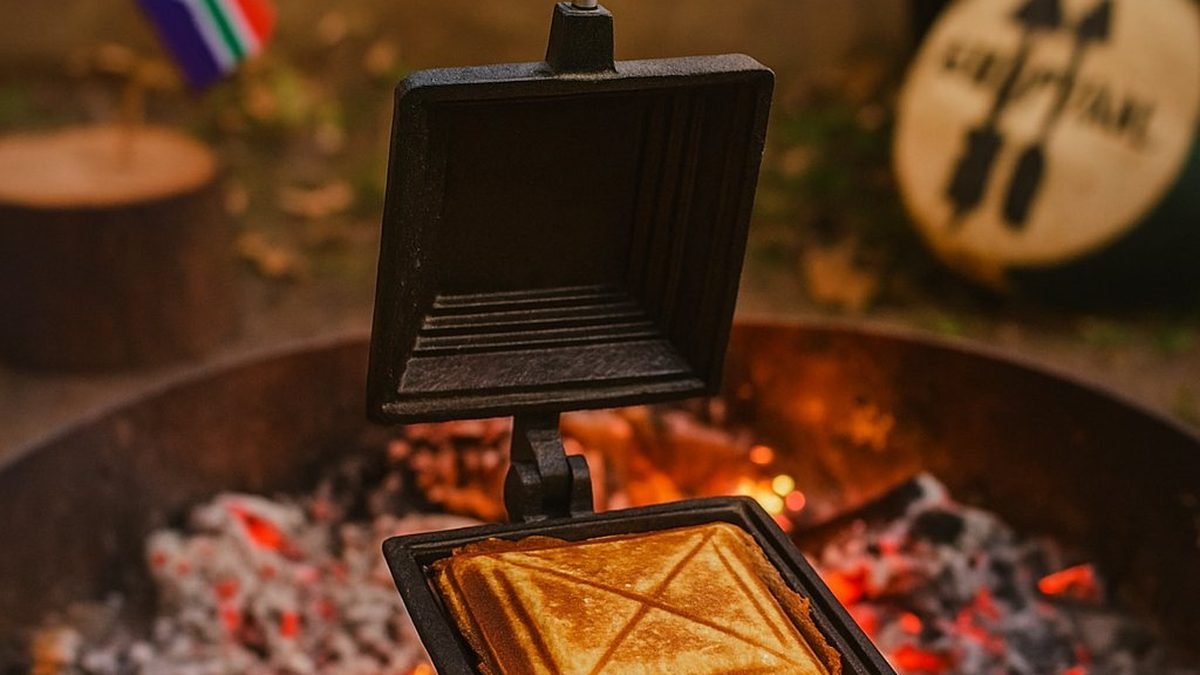
There is a very particular kind of joy in pulling a jaffle iron out of glowing campfire coals, cracking it open, and finding two perfectly sealed, golden toasties with cheese lava waiting inside. Australians have been doing exactly this for generations — the jaffle iron is arguably our most loved piece of camp cooking gear, up there with the camp oven and the billy. If you are shopping for your first one, or replacing a rusted-out relic that has seen better decades, this guide walks through the best pie cookers and jaffle irons you can actually buy in Australia right now.
Before we get into the picks, a quick note on how this list was put together. We looked at what Australian retailers genuinely stock and ship — not US-only models with a four-week wait — checked current Australian pricing, and weighed the things that actually matter at camp: how well the iron seals, how evenly it cooks, handle length and safety, and whether it will still be going strong in ten years. A camping kettle and a jaffle iron are the two cheapest ways to seriously upgrade your camp kitchen, and both live permanently in our kit.
What Exactly Is a Jaffle Iron (and How Is It Different From a Pie Cooker)?
Ask an Aussie and a Yank what a pie iron is and you will get two different answers. In Australia, the jaffle iron is the hinged, long-handled cast iron (or steel) sandwich press you hold over a campfire or gas flame. Two slices of buttered bread go in, filling goes between them, and the iron crimps and seals the edges into those famous triangular pockets. The word “jaffle” itself is pure Australiana — Breville trademarked it back in the 1970s for their electric snack makers, but campers were making them over fires long before that.
“Pie cooker” and “pie iron” are the terms Americans use for the same basic tool, and in Australia the names have started to blur together. Some brands sell them as pie irons, some as jaffle irons, some as sandwich cookers. Functionally they are the same thing: two hinged plates on long handles that cook a filled sandwich over direct heat. For this guide we treat the terms as interchangeable, with one caveat — a true double pie iron (like the Camp Chef Double Square) has two separate chambers, so you can cook two jaffles at once.
Cast Iron vs Steel vs Aluminium: Which Material Should You Choose?
The material of your jaffle iron matters more than almost anything else, because it decides how evenly your toastie cooks and how long the iron survives campfire life.
Cast iron is the traditional choice and, in our view, still the best for most campers. It holds heat beautifully, which means fewer hot spots and a more even golden crust. A good cast iron jaffle iron, looked after properly, will outlive you — plenty of Aussie families are still cooking on irons bought in the 1980s. The downsides are weight (cast iron irons run 1–2 kg) and maintenance: they need seasoning and must be dried thoroughly to avoid rust. If you want the full care routine, our cast iron seasoning guide covers it step by step.
Steel pie irons — like the Rome Industries models — are lighter than cast iron and heat up faster, which is handy if you are impatient or cooking for kids. They do not retain heat as well, so you need to manage your fire a bit more carefully, but they are tough and a good middle ground.
Aluminium jaffle irons are the lightest and cheapest of the lot. They heat up in seconds but also cool down just as fast, and thin aluminium can warp over a fierce fire. They are fine for occasional use on a gas stove at home, but for regular campfire cooking, cast iron or steel is the smarter buy.
Single vs Double: How Many Jaffles Do You Need at Once?
This is the question that decides your shortlist. A single jaffle iron cooks one toastie at a time — fine for a couple, painful when you are feeding a family of five and everyone is hovering around the fire getting hangry. A double iron (two chambers on one handle set, like the Camp Chef Double Square) cooks two at once and effectively halves your cooking time.
Our rule of thumb: couples and solo campers can happily get by with a single. Families of three or more should go double — the extra weight is worth it when dinner for the kids is done in two rounds instead of four. Some campers buy two singles instead, which lets two people cook at once over different parts of the fire. Either approach works; the key is matching capacity to your usual crew.
The Best Jaffle Irons & Pie Cookers You Can Buy in Australia
Here are the models we would actually spend our own money on, with honest Australian pricing where we could verify it.
Camp Chef Double Square Cooking Iron — Best Overall
The Camp Chef Double Square is the pick of the bunch for most Australian campers, and it is readily available locally. It is a genuine double — two separate square chambers — in pre-seasoned cast iron, with long handles that keep your hands well clear of the heat. The pre-seasoning means you can cook on it straight out of the box, and Camp Chef’s casting quality is a clear step above the no-name irons that flood online marketplaces.
At $49.99 from Camping Australia, it is honestly priced for what you get — a double cast iron iron that should last decades. The weight is the trade-off (cast iron is never light), but for car camping that is a non-issue. If you only buy one jaffle iron, make it this one.
Rome Industries Square Pie Iron — The American Classic
Rome Industries has been making pie irons in the USA for decades, and their square pie iron is the benchmark the whole category is judged against. The 4.5 x 4.5 inch cooking surface fits standard bread slices neatly, internal ridges help the seal, and the 28-inch handles give you plenty of reach over a hot fire. In the US they retail for around US$20–30; in Australia they come in through importers and specialty camp stores, so expect to pay a premium over the US price and check current stock before you set your heart on one.
Is it worth chasing down over the Camp Chef? For most people, no — the Camp Chef is easier to buy locally and cooks two at once. But if you want the single-iron classic with proven decades-long durability, Rome is the name.
Charmate Single & Large Double Jaffle Irons — Best Local Pick
Charmate is an Australian brand stocked widely through local outdoor retailers like Outback Equipment, which makes warranty and replacement easy. The Charmate Single Jaffle Iron is a straightforward pre-seasoned cast iron single with cool-touch wire handles, while the Charmate Large Double Jaffle Iron gives you two toasties at once for family camps. Both are designed for campfire coals or a low gas flame, and the pre-seasoned surface means minimal fuss on your first trip.
Charmate gear tends to sit in the affordable middle of the market — well below premium US imports — and availability through Australian stores means no international shipping roulette. Check current pricing at Outback Equipment or your local camp store, as it moves around with sales.
BCF & Anaconda House Brands — Best Budget Option
If you just want to try jaffle cooking without committing, BCF stocks house-brand jaffle irons in its cast iron range, and Anaconda carries similar entry-level options. These are perfectly serviceable — cast iron is cast iron, and a $25–35 iron will make a perfectly good toastie. What you give up versus the Camp Chef or Charmate is casting finish and handle quality; budget irons sometimes need a bit more seasoning out of the box and the hinges can be rougher. For a first iron, though, they are a fine way in. Browse the current range at BCF’s cast iron section to see what is on the shelf this season.
How to Cook the Perfect Campfire Jaffle: A Quick Method
Owning the iron is only half of it. Here is the method that has never failed us:
- Build the right fire. You want a bed of glowing coals, not leaping flames. Rake some coals to the edge of the fire pit — that is your cooking zone.
- Preheat the iron. Hold the closed, empty iron over the coals for a minute or two so it is hot before the bread goes in. Hot iron = better seal = less sticking.
- Butter the outside of the bread. Butter (not the inside) on both outer faces. This is what gives you the golden, crisp crust.
- Fill, but don’t overfill. A tablespoon or two of filling is plenty. Overloaded jaffles burst their seals and weld cheese to your iron.
- Cook 2–3 minutes per side. Hold it over the coals, flip once. Peek after two minutes — you are looking for deep golden, not charcoal.
- Rest for a minute. The filling inside is roughly the temperature of the sun. Let it cool slightly unless you enjoy mouth burns.
Kid-friendly fillings that work brilliantly: baked beans and cheese, spaghetti and cheese (a true Aussie classic), Nutella and banana for dessert. For the adults: leftover bolognese, pulled pork, or curry from the night before. If you are planning full camp menus, our camp kitchen setup checklist will help you organise everything else you need around the fire.
Caring for Your Jaffle Iron So It Lasts Decades
Cast iron care is simple once you know the rules: clean it while it is still warm (a stiff brush and hot water, no soaking), dry it completely over the fire or on the stove, and wipe a thin film of cooking oil over the plates before you pack it away. Never put it away damp — rust is the number one killer of jaffle irons. Store it somewhere dry, ideally in a canvas bag so it does not bang around in the gear box.
If rust does appear, it is not the end. Scrub it back with steel wool, wash, dry thoroughly, and re-season with a few rounds of thin oil baked on. Our full cast iron care and seasoning guide walks through the whole process for camp ovens and jaffle irons alike.
Why Campers Still Choose the Iron Over Electric Sandwich Presses
It is a fair question: why wrestle with a cast iron jaffle iron over a fire when a $40 electric sandwich press does the job at home? The answer is part practical, part sentimental. At camp there is no power point, and a jaffle iron needs nothing but coals — no electricity, no moving parts, nothing to break. The sealed, crimped edges you get from a proper iron also hold fillings in a way a flat press never quite manages, and the smoky kiss from the fire is something no benchtop appliance can fake. Plenty of us own both: the electric press for weekday lunches, the iron for the weekends that matter.
FAQs
Can you use a jaffle iron on a gas stove?
Yes — most cast iron jaffle irons work fine over a low to medium gas flame at home. Keep the flame no wider than the head of the iron to avoid hot spots and damage to the handles, and rotate regularly for even browning. It is a great way to practice before your first trip.
What bread works best in a jaffle iron?
Standard square sandwich bread is the classic choice because it fits the plates neatly. Slightly stale bread actually toasts better than super-fresh soft bread, which can go soggy. Avoid very thick artisan loaves — they will not seal properly.
How do I stop jaffles sticking to the iron?
Butter the outside of the bread generously, preheat the iron before loading, and keep the seasoning on your cast iron in good shape. If sticking persists, your seasoning layer probably needs rebuilding — a couple of rounds of oil baked on will sort it.
Are double jaffle irons worth it?
For families, absolutely — cooking two toasties at once halves the time everyone stands around waiting. For couples or solo campers, a single is lighter, cheaper, and easier to handle. Match the iron to your usual camping crew.
← Back to our complete guide: Best Camping Stoves Australia 2026