
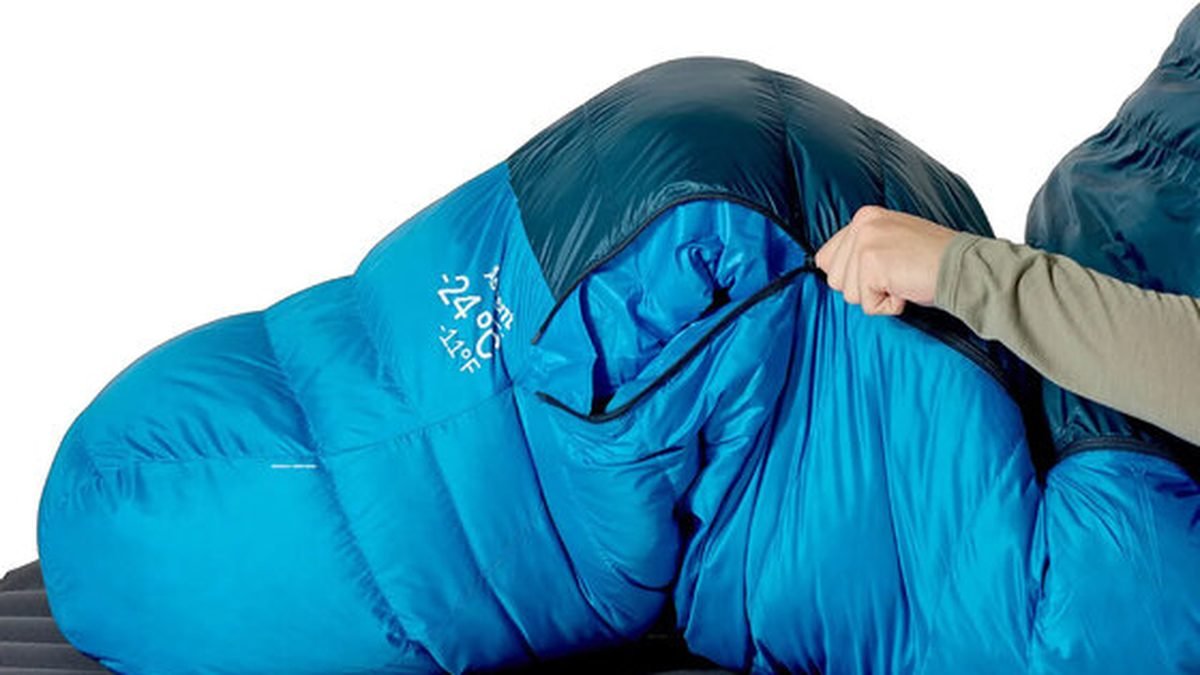
Sleeping Bag Temperature Ratings Explained (EN/ISO 23537)
Disclosure: We may earn a small commission if you purchase through our links, at no extra cost to you.
Shopping for a new bag and baffled by sleeping bag temperature ratings? You’re not alone. One bag says -5°C, another says -5°C comfort, and a third just says “-5°C” with no explanation — and all three will feel completely different on a cold night in the Victorian High Country. The good news is that most reputable bags sold in Australia are tested to a single international standard, EN/ISO 23537, which gives every bag four specific temperature numbers (comfort, limit, extreme, plus an upper limit for warm nights). Once you know what each number measures — and what the test assumes about you — choosing the right bag becomes straightforward.
In this guide I’ll walk through the ratings, how the lab test works, why your mat and body matter as much as the bag, and how to translate a lab number into a comfortable night under Australian skies.
What EN/ISO 23537 Actually Is
Before 2016, most of the world used a European standard called EN 13537. It was replaced by ISO 23537-1, an international standard that works the same way but is recognised globally. You’ll still see both names on swing tags and websites — they mean the same thing. The standard exists so a -5°C bag from one brand means roughly the same as a -5°C bag from another, instead of every manufacturer inventing its own numbers.
Here’s the key point many shoppers miss: the standard doesn’t produce one number. It produces several — comfort, lower limit, and extreme, plus an upper limit for warm nights. Bags with a single figure usually quote just one of these — and which one they choose tells you a lot about the brand’s honesty.
The Three Sleeping Bag Temperature Ratings That Matter
1. Comfort rating (Tcomf) — the number most people should shop by
The comfort rating is the lowest temperature at which a “standard woman” — the test’s model for a cold sleeper — can sleep comfortably through the night in a relaxed position. If you tend to feel the cold, or you sleep cold even at home with the doona pulled up, this is your number. As a rule of thumb, anyone who isn’t sure whether they sleep warm or cold should buy based on the comfort rating.
2. Lower limit rating (Tlim) — for warm sleepers only
The lower limit is the lowest temperature at which a “standard man” — the model for an average warm sleeper — can sleep for eight hours in a curled-up position without waking from cold. Notice the qualifiers: curled up, not sprawled out, and merely “without waking” rather than “comfortable.” If you’re a man who sleeps warm, you can treat the lower limit as a realistic minimum. If you’re a woman or a cold sleeper, treat it as the temperature where you’ll start having a bad night.
3. Extreme rating (Textr) — a survival number, not a sleep number
The extreme rating is the minimum temperature at which a standard woman can survive for six hours without risk of death from hypothermia — though frostbite remains possible. Read that again: survive, not sleep. You will be cold, you will very likely not sleep, and you may wake up with numb extremities. Some budget brands print the extreme rating in big type on the stuff sack because “-15°C” sells better than “-5°C comfort.” Never buy a bag based on its extreme rating. If a bag only quotes one number and doesn’t say which rating it is, assume the worst and look for a bag from a brand that publishes all four.
How the Test Works: The Heated Manikin
Understanding the test explains why real-world results vary. The standard uses a life-size heated manikin — essentially a sensor-covered dummy — dressed in a base layer top and long johns, lying on a sleeping mat inside a tent, in a climate-controlled chamber with still air. The manikin measures heat loss across different body zones at falling temperatures, and the four ratings are calculated from those measurements.
The critical detail is what the test assumes:
- A sleeping mat with an R-value around 4.8. That’s a solid four-season insulated mat — far warmer than the cheap foam pad or thin summer mat many campers actually use. Ground cold is responsible for a huge share of night-time heat loss, so if your mat is thinner, the bag’s ratings are optimistic for you.
- Dry base-layer clothing. The manikin wears long thermal underwear. Sleeping in damp clothes, or in nothing at all, changes the result.
- A tent, in still air. Wind whistling through a swag or under a tarp, or heavy condensation wetting the bag’s footbox, aren’t in the test.
- A fed, hydrated, rested sleeper. The manikin doesn’t arrive at camp exhausted, dehydrated, and running on two-minute noodles.
None of this makes the standard useless — it’s still the best comparison tool we have, and it’s enormously better than the pre-standard era when ratings were marketing fiction. It just means the numbers are a starting point, not a promise. If you want the full picture of how your mat affects the equation, read our guide to self-inflating vs air vs foam mats, because upgrading your mat is often a cheaper path to warmth than buying a new bag.
Comfort vs Limit: Which Number Should You Use?
Here’s the decision rule I give everyone who asks:
- Women, cold sleepers, older campers, and anyone unsure: buy to the comfort rating. Full stop.
- Men who sleep warm: you can buy to the lower limit rating, but still leave a buffer (below).
- Everyone: ignore the extreme rating for purchase decisions. It’s a safety footnote, not a spec.
On top of that, apply the buffer rule: choose a bag rated 5–10°C below the coldest temperature you realistically expect. If the coldest night you’ll camp is 5°C, a bag with a 0°C comfort rating (or -5°C lower limit for a warm-sleeping man) is the sensible pick. The buffer covers the test’s optimistic assumptions, a tired body, unexpected weather, and the fact that Bureau forecasts are for towns, not the frost hollow your tent is sitting in.
What the Ratings Don’t Tell You
Two bags with identical comfort ratings can feel very different. The standard measures thermal performance, not the experience of using the bag. Watch for these:
Bag shape
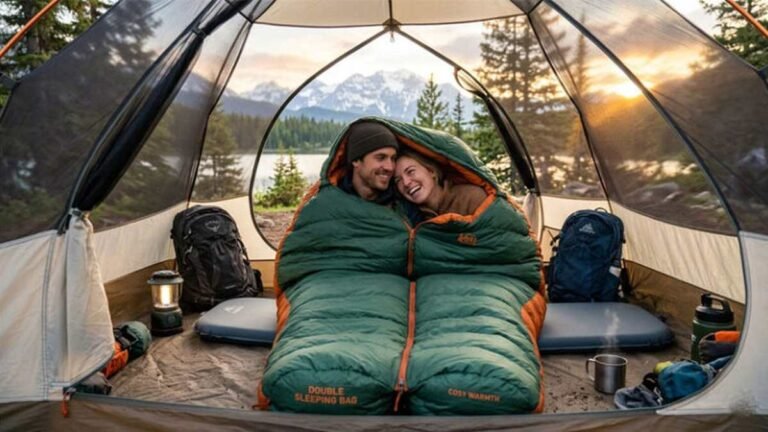
Mummy bags taper toward the feet, leaving less dead air for your body to heat — they’re warmer for their weight and rating than rectangular bags. Rectangular and semi-rectangular bags give you room to sprawl and are easier to vent on warm nights, but you’ll need a lower (warmer) rating to match a mummy bag’s performance. Couples looking at roomier options should see our double sleeping bags for couples roundup.
Fill type: down vs synthetic
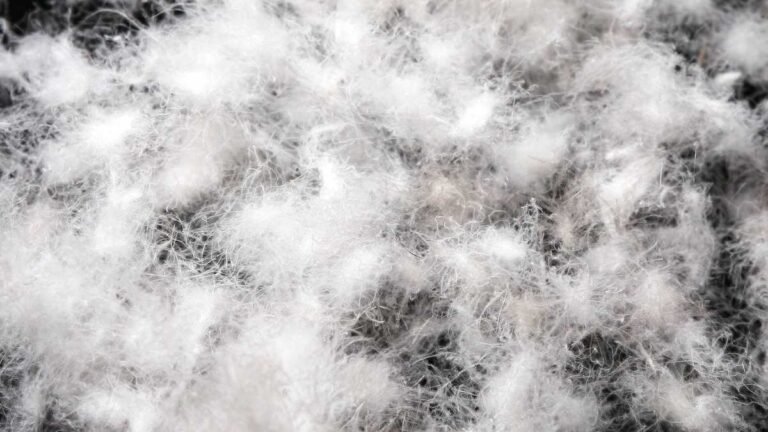
The rating is the rating regardless of fill, but down and synthetic behave differently around it. Down offers the best warmth-to-weight ratio and compresses smallest, but loses insulation when damp — a real consideration in humid coastal camping. Synthetic insulation is bulkier and heavier for the same rating but keeps working when damp and costs far less. In Australia’s often-damp conditions, plenty of experienced campers deliberately choose synthetic for car camping where weight doesn’t matter.
Features that protect the rating
A draft collar (the insulated tube around your neck), a well-designed hood with a drawcord, a full-length zip with a draft tube behind it, and a snug footbox all help the bag deliver its rated performance. A bag with a great rating but a flimsy zip draft tube will leak warm air all night. When comparing bags at similar ratings, these details are where the better bag earns its money.
Your liner
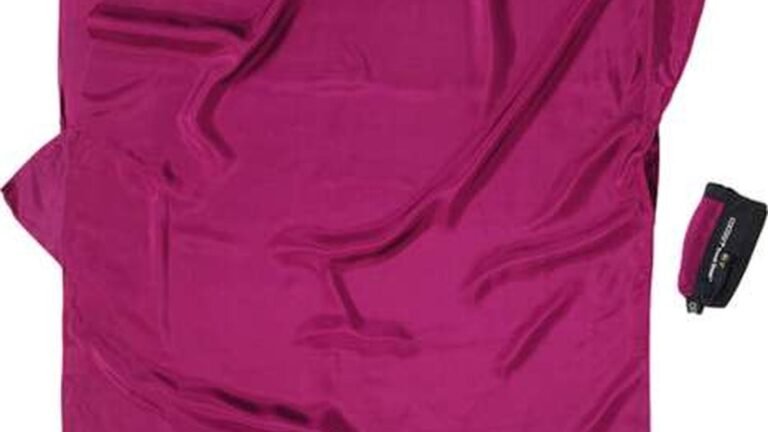
A sleeping bag liner can add a few degrees of warmth while keeping the bag cleaner so its insulation lasts longer. See our sleeping bag liners guide for whether one is worth it for your setup.
Australian Conditions: Translating Ratings to Local Camping
Australia’s climate zones make rating choice interesting. Use this as a starting point, then apply the buffer rule:
- Tropical north (Cairns, Darwin, Top End dry season): nights rarely below 15°C. A 10–15°C comfort bag, or even just a liner, is plenty for most of the year.
- Coastal NSW/QLD, Sydney, Brisbane: winter nights 5–10°C. A 0–5°C comfort bag covers year-round camping for most people.
- Melbourne, Adelaide, Perth hills, Tasmania lowlands: winter nights 0–5°C, frosts common. A -5–0°C comfort bag is the versatile choice.
- Alpine and high country (Snowies, Victorian Alps, Tasmanian highlands): below freezing is normal, -10°C possible. A -10°C or lower comfort bag plus a four-season mat is the baseline — and this is where down’s weight advantage really pays off.
- Outback (inland, desert): huge day-night swings; a 35°C day can be followed by a 0°C night. A -5–0°C comfort bag with good venting options handles the swing.
Two Australian quirks deserve special mention. First, humidity and condensation: coastal and alpine camping often means a damp tent by morning, which punishes down bags — choose synthetic or air your down bag daily. Second, cold sleepers are common: if you’ve ever been cold in a bag that “should” have been warm enough, buy to the comfort rating and add the full 10°C buffer, not 5°C.
Worked Examples: Putting It Together
Example 1: Sarah camps with her partner around coastal Victoria, coldest expected night 3°C. She sleeps cold. She should look for a comfort rating around -5°C (3°C minus an 8°C buffer), in a women’s-specific or roomy mummy shape.
Example 2: Dave hikes the Overland Track in shoulder season, expecting -2°C, and sleeps warm. A bag with a lower limit around -7 to -10°C works, paired with a mat of R-value 4+. He should still check the comfort rating so he knows where his partner, who borrows his gear, stands.
Caring for Your Bag Protects Its Rating
A bag’s rating assumes full loft. Store it compressed in its stuff sack for months and the insulation — especially down — won’t fully recover, quietly eroding the rating you paid for. Always store bags in their large loose storage sack (or hung up), wash only when genuinely needed with a proper down or technical wash, and dry thoroughly. Our full guide to washing a sleeping bag covers down and synthetic care step by step. A well-cared-for bag holds its rating for a decade; a neglected one can feel two seasons colder within a couple of years.
Quick-Reference: Reading a Spec Sheet
When you’re comparing bags online, run through this checklist:
- Are all four ISO 23537 ratings published, or just one mystery number? Prefer brands that publish all four — you can compare rated bags side by side in collections like OZtrail’s bedding range.
- Which rating is the headline number? If it’s the extreme rating, walk away.
- Does the comfort rating (or lower limit, for warm sleepers) sit 5–10°C below your coldest expected night?
- Is the shape right for how you sleep — mummy for warmth-to-weight, rectangular for room?
- Down or synthetic — matched to your conditions (damp coast vs dry alpine) and budget?
- Draft collar, hood, zip draft tube — present and well made?
- Weight and packed size — sane for how you travel (hike vs car camp)?
For more on staying warm once you’ve chosen the bag — clothing, mats, tents, and camp routine — see how to stay warm camping in winter.
Frequently Asked Questions
What is the difference between comfort and lower limit ratings?
The comfort rating is the coldest temperature at which a cold sleeper (modelled as a standard woman) sleeps comfortably in a relaxed position. The lower limit is the coldest temperature at which a warm sleeper (modelled as a standard man) can sleep eight hours curled up without waking from cold. Cold sleepers should shop by comfort; warm-sleeping men can use the lower limit.
Can I trust the temperature rating on a cheap sleeping bag?
Only if it’s tested to EN/ISO 23537 and publishes all four ratings. Unrated bags — common at the budget end — use the manufacturer’s own estimate, which is often optimistic by 5–10°C or more. An unrated “-5°C” bag may perform like a rated 0–5°C comfort bag.
Is EN 13537 the same as ISO 23537?
Effectively, yes. EN 13537 was the European standard; ISO 23537 is its international successor and uses the same test method and four-rating system. Bags labelled with either have been through the same manikin-based testing.
Why was I cold in a bag rated lower than the night-time temperature?
The usual culprits: an under-insulated sleeping mat (the test assumes R-value ~4.8), damp clothing or a damp bag, dehydration and exhaustion, wind or condensation, or being a colder sleeper than the rating assumes. A warmer mat is the single most effective fix.
Should I buy a bag rated for the coldest night I’ll ever camp?
Buy for the coldest night you’ll regularly camp, with a 5–10°C buffer — not the once-a-decade freak frost. An over-specced bag is sweaty and miserable on normal trips; you can extend a bag’s range with a liner, warmer mat, and clothing for the rare extreme night.
← Back to our complete guide: Best Sleeping Bags Australia 2026
3 Comments