Best Camp Beds & Stretchers Australia 2026
Disclosure: We may earn a small commission if you purchase through our links, at no extra cost to you.
If you’ve ever woken up at 3am on a deflated air bed, slowly sinking onto cold, lumpy ground, you’ll understand the appeal of camping stretcher beds. A stretcher gets you up off the ground — away from the cold, the rocks, the roots, and the puddle forming under your tent — on a taut fabric platform that doesn’t leak, doesn’t need pumping, and sets up in under a minute. For car campers, grey nomads, and anyone with a bad back, a stretcher plus a decent mat is arguably the most comfortable sleep system you can buy. Here’s how to choose, and the best models available in Australia right now.
Should You Buy a Stretcher? The Honest Decision Framework
Stretchers aren’t for everyone. They’re heavy (typically 6–12kg), bulky when packed (long flat parcels that eat ute-tray and boot space), and overkill if you’re hiking. But for drive-up camping, they’re superb. Buy a stretcher if:
- You car camp or caravan and weight doesn’t matter
- You’ve been burned by leaking air beds (most campers have, eventually)
- You have back, hip or knee issues — getting up off a 40–50cm high stretcher beats crawling out of a ground-level swag
- You camp in wet or flood-prone areas — 40cm of elevation is flood insurance
- You’re a restless sleeper — no bounce, no roll-together, no partner-disturbing wobble
Skip the stretcher and look at air mattresses or sleeping mats instead if you hike, tour on a motorbike, fly to your camping destination, or need to fit the whole sleep system in a small car.
Stretcher vs Camp Bed vs Swag: What’s the Difference?
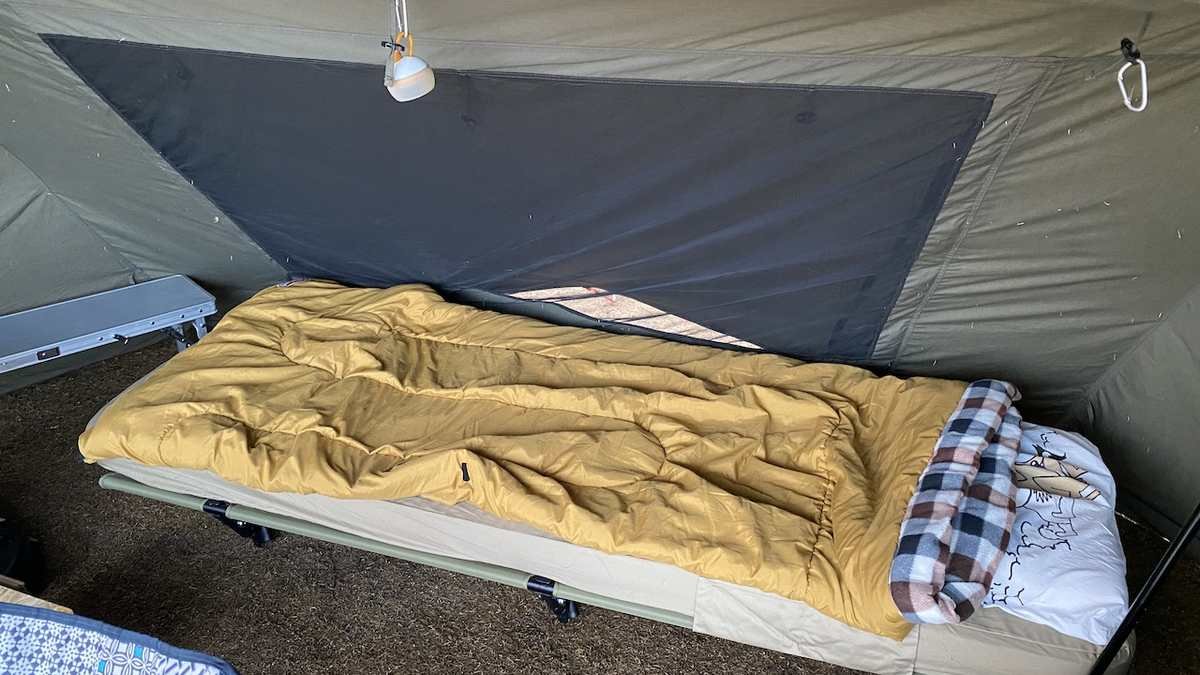
The terms get mixed up constantly. A stretcher is the simple folding frame with fabric stretched across it — light, fast, affordable. A camp bed is the heavier-duty end of the same idea: stronger frames, sometimes padded tops, sometimes bunk configurations. A swag is a different beast entirely — a canvas bedroll with a built-in mattress that you sleep in, not on. Stretchers and camp beds go inside your tent; swags replace the tent. Many campers run a stretcher inside a big tent as their long-stay base, and it’s a combination that’s hard to beat for comfort.
What to Look For in Camping Stretcher Beds
Weight capacity — read it twice
Stretcher weight ratings are the most optimistic numbers in camping. A “150kg capacity” usually means the frame survives 150kg in a lab, not that a 150kg person sleeps comfortably — the fabric sags, the bars press through, and the whole thing feels like a hammock. Rule of thumb: buy a stretcher rated at least 30–40kg above your body weight. If you’re 100kg, look for 140kg+ ratings. Bunk beds have separate top and bottom ratings — always check both.
Height
Standard stretchers sit 40–50cm off the ground — chair height, easy to get in and out of. Low-rise models (~20cm) pack smaller and fit under lower tent roofs but lose the flood-protection and easy-access benefits. Taller isn’t always better: measure your tent’s wall height where the stretcher will sit, because tent walls slope inward.
Frame and fabric
Steel frames are strong and cheap but heavy; aluminium is lighter but pricier. Look for crossbar-free designs — bars running across under your back are the classic stretcher complaint, and the better designs (like OZtrail’s Easy Fold) eliminate them. Fabric should be 600D polyester or better; cheap 300D sags within a season.
Packed size
Measure your vehicle. A single stretcher packs to roughly 100 x 20 x 20cm — it fits across most wagon boots but can be awkward in small hatchbacks. Queen and bunk models are bigger again. If it doesn’t fit your car easily, you won’t take it.
The “add a mat” rule
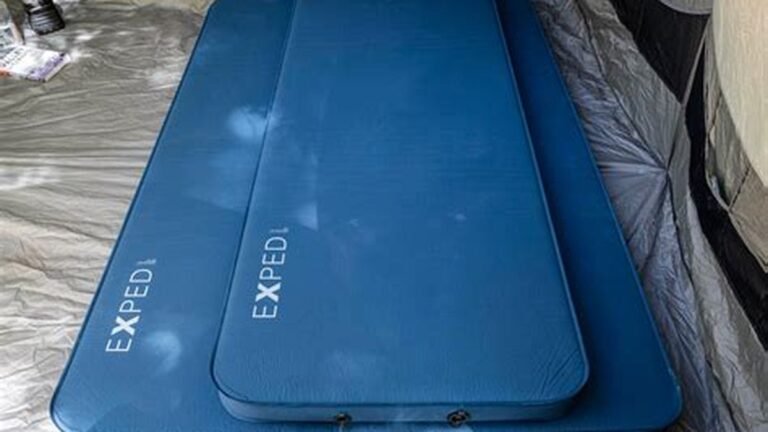
A bare stretcher is comfortable but cold — air circulates underneath and strips heat. Every stretcher sleeper should add a mat: a self-inflating mat is ideal (warm, quiet, won’t slide around much), a closed-cell foam mat is the budget option. This single addition transforms a stretcher from “okay” to “better than my bed at home.” Our mat comparison guide will help you pick.
The Best Camping Stretcher Beds in Australia
Best overall: OZtrail Easy Fold Single Stretcher
The Easy Fold is Australia’s default stretcher for good reason. It sets up in about 10 seconds — unfold, lock the legs, done — with no crossbars under your body, a 150kg rating, and a side organiser pocket for your phone and headlamp. At 200 x 80cm it’s roomy for most adults, and it packs into its own carry bag. Street price hovers around $94–$120 depending on sales at BCF, Anaconda and independents. There’s also a queen version for couples. The only real gripe is the lack of a positive locking mechanism on some batches — set it up properly and it’s a non-issue, but check yours before the first trip. For the money, nothing else comes close as a first stretcher.
Best heavy-duty: Darche XL 100 Stretcher
Darche built its name on 4WD touring gear, and the XL 100 shows it: 216cm long, 100cm wide, 150kg capacity, and a frame that feels engineered rather than assembled. At around $174 it’s a step up in price, but bigger and taller campers will feel the difference immediately — no dangling feet, no shoulder squeeze. The 50cm height is genuinely chair-like for easy access. It weighs about 10kg, so this is ute-and-trailer territory, not hatchback touring. If you’re a bigger person who’s been uncomfortable on standard stretchers, this is the fix.
Best bunk: OZtrail Deluxe Double Bunk Bed
For families in big tents, bunks are a space miracle: two beds in the footprint of one. The OZtrail Deluxe Double Bunk sleeps two (100kg top, 120kg bottom), stands 182cm long, and costs around $139 — less than two separate stretchers while using half the floor space. Setup takes a few minutes rather than seconds, and at 17.6kg it’s a two-person carry. Top-bunk sleepers should be kids or smaller adults; check your tent’s peak height, because bunks need vertical room. For family base camps, it’s one of the best value sleep systems in camping.
Best lightweight: Zempire W Leg Stretcher Bed V2
Most stretchers are heavy; the Zempire W Leg is the exception at just 5.5kg. The W-shaped legs fold flat and the whole thing packs remarkably small for a full-length bed (194cm). The trade-offs: a 100kg capacity (fine for most, not for everyone), a low 19cm height (easy tent fit, but you’re closer to the ground), and a price around $90 at Snowys. It’s the stretcher for people who like the idea of a stretcher but drive a smaller car or need to carry it further from the vehicle. Backpackers should still look at mats, but for walk-in campsites this is a legitimate option.
Best with mattress included: Wanderer Folding Mattress Stretcher (BCF)
BCF’s Wanderer range includes folding stretchers with a built-in foam mattress — bed and padding in one purchase, one setup. The convenience is real: unfold and sleep, no separate mat to buy, position, and stop from sliding off. Expect to pay in the $100–$150 range depending on catalogue specials. The mattress is basic foam rather than a premium self-inflating mat, so cold sleepers may still want a topper in winter, but for general family camping it’s the simplest path to a comfortable night. Check BCF’s current catalogue — these are frequently discounted.
Premium all-in-one: OZtrail Anywhere Deluxe Queen
At the top end, the OZtrail Anywhere Deluxe Queen combines a folding stretcher frame with a 23cm air bed and a removable, machine-washable cover — essentially a real bed that folds away. It’s aimed at long-stay campers, grey nomads, and anyone who wants guest-room comfort at a powered site. It’s heavy and bulky, and you’ll pay for the privilege, but for extended trips where sleep quality is everything, it’s the closest camping gets to home. Pair it with a proper pillow and you’ll forget you’re in a tent.
Camping Stretcher Beds Compared
| Stretcher | Size (L x W x H) | Capacity | Weight | Price (AU) | Best for |
|---|---|---|---|---|---|
| OZtrail Easy Fold Single | 200 x 80 x 42cm | 150kg | 10.2kg | ~$94–$120 | Best overall first stretcher |
| Darche XL 100 | 216 x 100 x 50cm | 150kg | 10kg | ~$174 | Taller/heavier campers |
| OZtrail Deluxe Double Bunk | 182 x 73cm (x2 levels) | 100/120kg | 17.6kg | ~$139 | Family base camps |
| Zempire W Leg V2 | 194 x 65.5 x 19cm | 100kg | 5.5kg | ~$90 | Lightweight / small cars |
| Wanderer Folding Mattress Stretcher | 188 x 66 x 38cm | 110kg | 9.5kg | ~$100–$150 | Simple all-in-one |
Prices are Australian street prices checked October 2026; BCF and Anaconda catalogue sales move them regularly. Anaconda’s sleeping section carries most of the stretchers below plus the mats and accessories to complete the setup.
Will It Fit in Your Tent? The Measuring Guide
The most common stretcher regret isn’t the model — it’s discovering it doesn’t fit the tent. Before buying:
- Measure your tent’s floor dimensions, then subtract 20cm all round — tent walls slope, and stretchers need clearance at the ends where walls lean in.
- Check peak height against the stretcher height plus your seated height. You want to sit up in bed without hitting canvas — roughly 100cm+ of clearance above the stretcher surface.
- For bunks, you need 160cm+ peak height. Most family tents (4P+) manage this; hiking tents don’t.
- Account for the door: can you still get in and out with the stretcher in place? Mock it up with boxes if you’re unsure.
- Remember guy ropes and vestibules don’t count as floor space.
As a rough guide: a single stretcher (200 x 80cm) fits comfortably in a 3–4 person tent; two singles or a queen need a 4–6 person tent; bunks need a 4P+ tent with good peak height.
Stretcher Comfort Upgrades Worth the Money
- A self-inflating mat on top — the single biggest comfort and warmth upgrade. Even a 2.5cm mat transforms the feel.
- A mattress topper — for long stays, a dedicated swag or stretcher topper adds home-like cushioning.
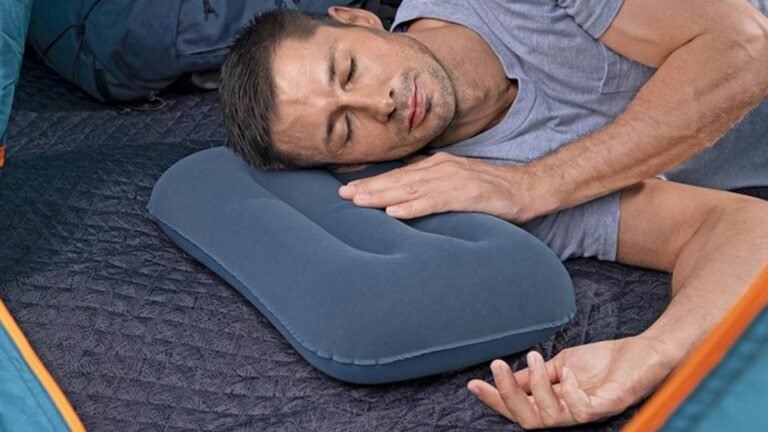
- A proper pillow — not a stuffed stuff-sack. Camp pillows are cheap and the neck pain saving is enormous.
- Fitted sheet or sleeping bag liner — stops the slippery polyester feel and adds washable hygiene. See our liners guide.
- Tennis balls on the feet — the old camper’s trick: slit a tennis ball onto each foot to protect tent floors and stop sliding on hard ground.
Stretcher Weight Limits and Safety
Every stretcher has a rated weight limit — typically 100–150kg for single stretchers, 200kg+ for doubles — and it’s not a suggestion. Exceeding it risks catastrophic collapse at 2am (bent frames, torn fabric, bruised campers). But the number on the box deserves scrutiny: it’s usually a static load rating, tested with a motionless weight. Real humans toss, turn, and sit on the edge — dynamic loads that spike well above static weight.
Practical rules: buy a stretcher rated at least 20% above the heaviest user’s weight; check whether the rating covers the fabric or just the frame (cheap stretchers rate the frame and under-spec the fabric); inspect welds and joints annually — stress cracks at leg joints are the classic failure mode; and never let kids jump on stretchers, which is how most collapses happen. Double stretchers and bunk setups need the rating for the whole unit, not per person — read the fine print.
Frequently Asked Questions
Are stretcher beds comfortable for side sleepers?
Yes — often more comfortable than air beds, because there’s no bounce and hips don’t sink through. Add a self-inflating mat on top for cushioning and insulation, and most side sleepers rate a stretcher-plus-mat above an air mattress.
Can you use a stretcher in a swag?
No — swags are self-contained bedrolls that sit on the ground. Stretchers go inside tents. If you want elevation with a swag-like experience, look at stretcher tents (a tent on a stretcher frame), which combine both.
What weight can a camping stretcher hold?
Most single stretchers are rated 100–150kg. Buy one rated at least 30–40kg above your body weight for real-world comfort, as ratings describe frame survival rather than comfortable support.
Do I need a mattress on a camp stretcher?
For warmth, yes — air circulating under the stretcher strips heat, so add at least a foam or self-inflating mat. For comfort, a mat or topper helps enormously, though the taut fabric alone is fine for a night or two.
How do I stop my stretcher damaging the tent floor?
Use the rubber or plastic feet caps supplied, add tennis balls over the feet for extra protection, and put a groundsheet or old blanket under the stretcher. Keep the feet clear of the tent walls where fabric is thinnest.
← Back to our complete guide: Best Sleeping Bags Australia 2026