
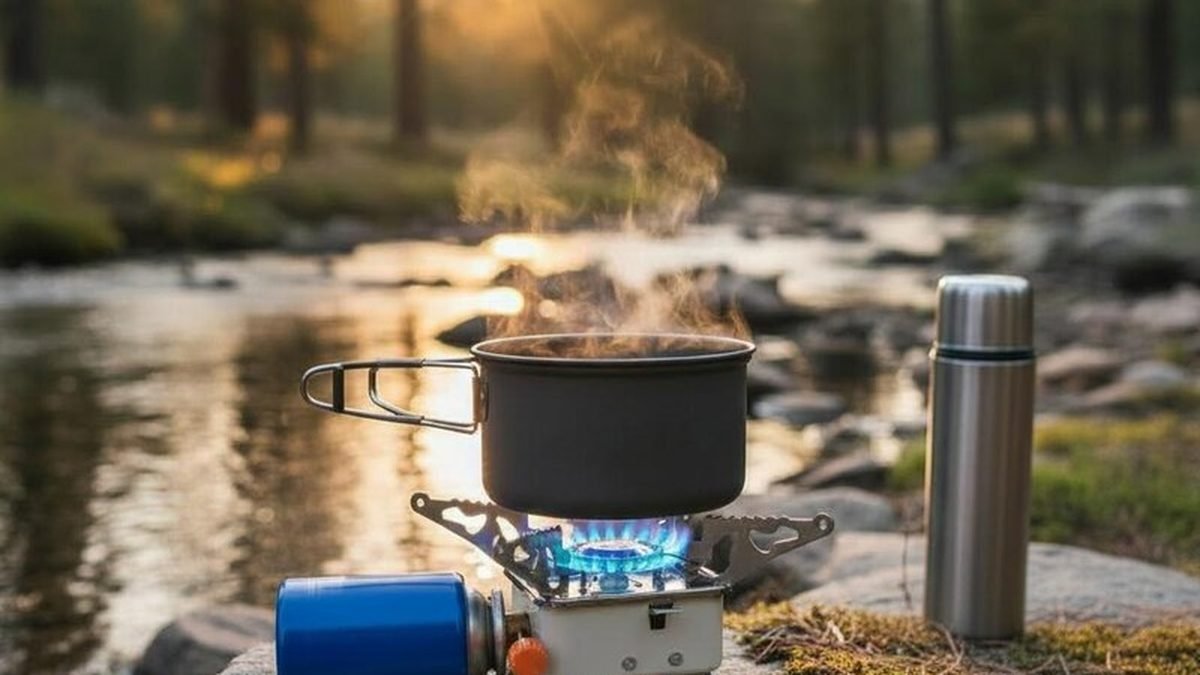
Best Camping Stoves Australia 2026
Disclosure: We may earn a small commission if you purchase through our links, at no extra cost to you.
Nothing ends a camping trip faster than a stove that won’t light, won’t simmer, or costs a fortune to feed. Choosing from the camping stoves Australia has on offer means navigating three fuel systems, a dozen burner configurations, and marketing that promises “high output” without telling you what that costs to run. This guide cuts through it: the fuel types explained honestly, the best stoves for each kind of camping, real Australian prices, and the running costs nobody puts on the box.
The Three Fuel Systems, Honestly Compared
Butane canister stoves (lunchbox stoves)
The familiar flat “lunchbox” cooker that takes 220g bayonet canisters. Pros: cheap to buy (stoves from ~$25), canisters cheap (~$1.10 each in 4-packs at Bunnings), compact, dead simple. Cons: butane performs poorly in the cold — below about 5°C, canister pressure drops and output fades noticeably; in freezing conditions they barely work. The canisters are also single-use waste, and you can’t tell how much fuel is left without weighing them. Best for: fair-weather car camping, day trips, and budget setups.
LPG (gas bottle) stoves
Single or double burners running off refillable LPG bottles (the same gas as your BBQ). Pros: cheapest fuel by far (a 9kg bottle refill costs ~$25–$35 and lasts dozens of trips), excellent cold-weather performance (propane/LPG mix vaporises well below freezing), refillable so minimal waste. Cons: the bottle is heavy and bulky — you’re committed to car camping. Best for: family camping, long trips, cold weather, and anyone who camps often enough for fuel costs to matter.
Screw-on canister hiking stoves (isobutane)
Tiny burners that screw onto threaded isobutane/propane canisters. Pros: ultralight (under 100g), pack tiny, boil fast. Cons: canisters cost $8–$15 each and last 1–2 hours of cooking, poor simmer control on cheap models, hopeless in real cold without tricks. Best for: hiking, solo trips, and boiling water for dehydrated meals.
Fuel Economics: The Cost Nobody Calculates
Stove price is the small money; fuel is the big money over a stove’s life. Rough Australian numbers:
- Butane lunchbox: ~$1.10 per 220g canister; a canister gives roughly 1–2 hours of cooking. A week of family camping might burn 5–8 canisters = $6–$9.
- LPG bottle: a 9kg refill ~$25–$35; that same week of cooking uses maybe 1–2kg = $3–$8. Over a year of regular camping, LPG costs a fraction of butane.
- Hiking canisters: $8–$15 per 230g canister; fine for occasional hikes, ruinous as a primary camp fuel.
The crossover: if you camp more than a handful of times a year, an LPG setup pays for itself in fuel savings within the first year — even after buying the bottle. Occasional campers are better off with butane’s low entry cost.
The Butane Cold-Weather Problem
This deserves its own section because it ruins winter trips. Butane vaporises at around 0°C; as the canister chills (which happens as gas is drawn off — evaporative cooling), pressure collapses. Symptoms: the flame shrinks to nothing halfway through cooking dinner on a 3°C evening. Mitigations: keep the canister warm (sleep with it in your bag, warm it in your jacket, stand it in lukewarm — never hot — water), and cook in shelter. But the real fix for cold-weather camping is LPG or a liquid-fuel stove. If your camping includes Victorian High Country winters or Tassie shoulder seasons, don’t make butane your primary stove.
What to Look For in a Camping Stove
- Simmer control: the difference between cooking and merely boiling. Cheap stoves have two settings: off and blast furnace. Look for fine flame adjustment — it matters for everything beyond boiling water.
- Wind resistance: wind is the enemy of camp cooking. Recessed burners, windshields, and high-output designs (like Coleman’s Hyperflame) hold a flame in breeze that kills exposed burners.
- Stability: a wide base and low centre of gravity for big pots. Tall narrow stoves with heavy pots on top are tip-over accidents waiting to happen.
- Ignition: piezo ignition (push-button spark) is convenient; matches are reliable. Piezo units fail eventually — always carry a lighter regardless.
- Output (BTU/kW): higher isn’t always better — a 10kW burner that can’t simmer is worse than a 5kW burner with fine control. For family cooking, 2 x 3–5kW burners beats 1 x 10kW.
- Safety certification: look for AGA approval on gas appliances sold in Australia. And a note on history: portable butane “lunchbox” cookers were subject to safety scrutiny in NSW years ago over overheating risks — modern certified models include over-pressure shutoff devices, but always use the correct pan size and never enclose the canister compartment.
The Best Camping Stoves in Australia for 2026
Gasmate Portable BBQ Butane Stove — best budget butane
The classic lunchbox cooker, widely available at Bunnings for around $24.90. Dual safety features, piezo ignition, comes in a carry case. It won’t win any performance awards, but at this price it’s the stove that gets more Australians cooking outdoors than any other. Buy two and you’ve got a twin-burner setup for fifty bucks. Check current pricing at Bunnings, where Gasmate’s range is stocked year-round.
Gasmate Classic 2 Burner LPG Stove — best value LPG
Around $129 at Bunnings, this is the workhorse of Australian family camping: two burners, runs off a gas bottle, proper simmer control, and cheap enough that fuel savings pay it back quickly. If you’re buying one stove for regular car camping, this is the rational choice — LPG economy, real cooking performance, and bombproof simplicity.
Gasmate Point Backpacker Stove — best budget hiking stove
At around $51.98, this screw-on canister stove with piezo ignition is the entry point to hiking stoves. Light, compact, boils fast. It won’t match a Jetboil for efficiency or a premium brand for simmer control, but for the occasional overnighter it’s entirely adequate. Pair it with our camping coffee guide — this is the stove most hikers brew on.
Coleman Fyreknight Hyperflame — best windproof performance
Coleman’s Hyperflame technology recesses the burners for exceptional wind resistance — genuinely usable in conditions that kill conventional stoves. At around $369.99 at BCF, it’s premium money, but for exposed coastal camps and alpine trips where wind is a given, it’s the stove that actually cooks dinner instead of merely attempting to. See it at BCF.
Campmaster Butane Stove — best ultra-budget
Around $49.98 for the stove, with canisters from ~$1.10 each — the absolute cheapest path to cooking outdoors. Fine for the occasional trip; regular campers should step up to Gasmate or LPG for better longevity and safety features.
Camping Stoves Compared
| Stove | Fuel | Burners | Price (AU) | Best for |
|---|---|---|---|---|
| Gasmate Portable BBQ Butane | Butane canister | 1 | ~$24.90 | Budget car camping |
| Gasmate Classic 2 Burner | LPG bottle | 2 | ~$129 | Family camping |
| Gasmate Point Backpacker | Isobutane canister | 1 | ~$51.98 | Hiking |
| Coleman Fyreknight Hyperflame | LPG/canister | 2 | ~$369.99 | Windy/exposed camps |
| Campmaster Butane | Butane canister | 1 | ~$49.98 | Occasional use |
Matching Stove to Trip: The Decision Framework
- Solo hiking: screw-on canister stove. Nothing else makes sense on weight.
- Couple car camping, occasional: one or two butane lunchbox stoves. Cheap, simple, adequate.
- Family car camping, regular: 2-burner LPG stove + gas bottle. The fuel economics demand it.
- Base camp / long stays: LPG 2-burner plus a butane single as backup. Redundancy matters when you’re cooking for a week.
- 4WD touring: LPG, with the bottle secured upright and ventilated. Many tourers mount a dedicated bottle.
- Alpine/winter: LPG or liquid fuel. Butane is a liability below 5°C.
For dedicated 2-burner comparisons, see our 2-burner camp stove roundup. And if your cooking ambitions extend beyond the stove, our camp oven guide covers fire-based cooking.
Stove Safety: Non-Negotiables
- Never use a camp stove inside a tent. Carbon monoxide is odourless and kills. Cook in the vestibule at most, with ventilation — better yet, outside.
- Check connections every trip: soapy water on joints, look for bubbles. Replace perished hoses and O-rings.
- Secure gas bottles upright during transport, ventilated, never in a sealed hot car boot for hours.
- Keep canisters cool and shaded; never leave them in direct sun on a 40°C day.
- Carry a fire extinguisher or fire blanket in the camp kitchen — a $20 extinguisher is cheap insurance.
- Check fire bans: gas stoves are usually permitted during total fire bans where open fires aren’t, but check your state’s current rules — conditions vary.
Stove Maintenance and Troubleshooting
A camp stove is simple machinery, and most “broken” stoves just need cleaning. Annual maintenance takes fifteen minutes:
Burner cleaning: remove the burner caps/trivets and clear the jets with a thin wire or the cleaning needle many stoves include. Food boil-overs clog jets — the number one cause of uneven flames. A soft brush removes carbon buildup; never use steel wool on coated surfaces.
Ignition fixes: if the piezo clicks but won’t spark, the electrode is usually dirty or misaligned — clean it with a dry cloth and check the gap (about 3–4mm from the burner). If it sparks but won’t light, the jet is clogged or the gas isn’t flowing — check the canister/bottle first, then the hose.
Yellow flames: a healthy gas flame is blue with a lighter inner cone. Yellow, sooty flames mean incomplete combustion — usually a clogged jet, low gas pressure, or (on LPG) a nearly empty bottle. Don’t cook on a yellow flame; fix the cause first, as soot ruins cookware and wastes fuel.
Hose and regulator checks: on LPG setups, inspect the hose annually for cracking, perishing, or kinking. The rubber O-ring in the POL fitting compresses over time — a $2 replacement every couple of years prevents the slow leaks that waste gas and create hazard. If you smell gas with everything closed, soapy-water test every joint before the next trip.
Storage: disconnect canisters and bottles for storage, leave valves closed, and store stoves dry — a stove left damp in a camp box grows corrosion on burner parts. A light wipe of cooking oil on cast-iron burner components prevents rust between trips.
Building Your Camp Kitchen Around the Stove
The stove is the heart of the camp kitchen, but it needs supporting cast:
Wind protection: even wind-resistant stoves cook better with a folding windshield — a $15 aluminium folding screen cuts fuel use noticeably by keeping heat on the pot. Position the kitchen with your vehicle or tent as a windbreak, but never so enclosed that gas can pool.
The right pots: wide, thin-based pots boil faster on camp burners than tall narrow ones (more surface area over the flame). A 2–3L pot covers most camp cooking; add a frypan for the full setup. See our cookware guide for matched sets.
Table height: cooking on the ground is miserable and unsafe with hot oil. A folding camp table at proper height is one of the best camp-kitchen upgrades — your back will thank you, and pots are more stable than on uneven ground.
Fuel redundancy: for trips beyond a weekend, carry a spare canister or a second fuel type. A butane single as backup to an LPG primary covers regulator failures, empty bottles, and the friend who forgot their stove entirely.
Lighting: you cook after dark more often than you plan. A headlamp plus a lantern over the kitchen area turns dinner from a fumbling chore into the social centrepiece of camp.
Frequently Asked Questions
Butane vs LPG for camping: which is better?
For occasional fair-weather camping, butane is cheaper to start and simpler. For regular camping, families, or cold weather, LPG wins on fuel cost (far cheaper per hour of cooking), cold performance, and less waste. Most serious campers end up on LPG.
Why does my butane stove struggle in cold weather?
Butane vaporises poorly below ~5°C, and drawing gas chills the canister further, collapsing pressure. Warm the canister (jacket, sleeping bag, lukewarm water — never flame), or switch to LPG for winter camping.
How long does a 220g butane canister last?
Roughly 1–2 hours of cooking depending on flame setting. For a weekend of family cooking, carry 3–4 canisters; at ~$1.10 each in 4-packs, the cost is trivial.
Can I use a camping stove during a total fire ban?
Usually yes — gas stoves are generally permitted where open fires are banned, but rules vary by state and specific ban declarations. Always check the current fire authority advice for your area before lighting up.
Is it safe to use a butane lunchbox stove?
Modern AGA-certified models with over-pressure shutoff devices are safe when used correctly: right pan size, canister compartment never enclosed or overheated, used outdoors or ventilated. Never use oversized pans that reflect heat onto the canister.